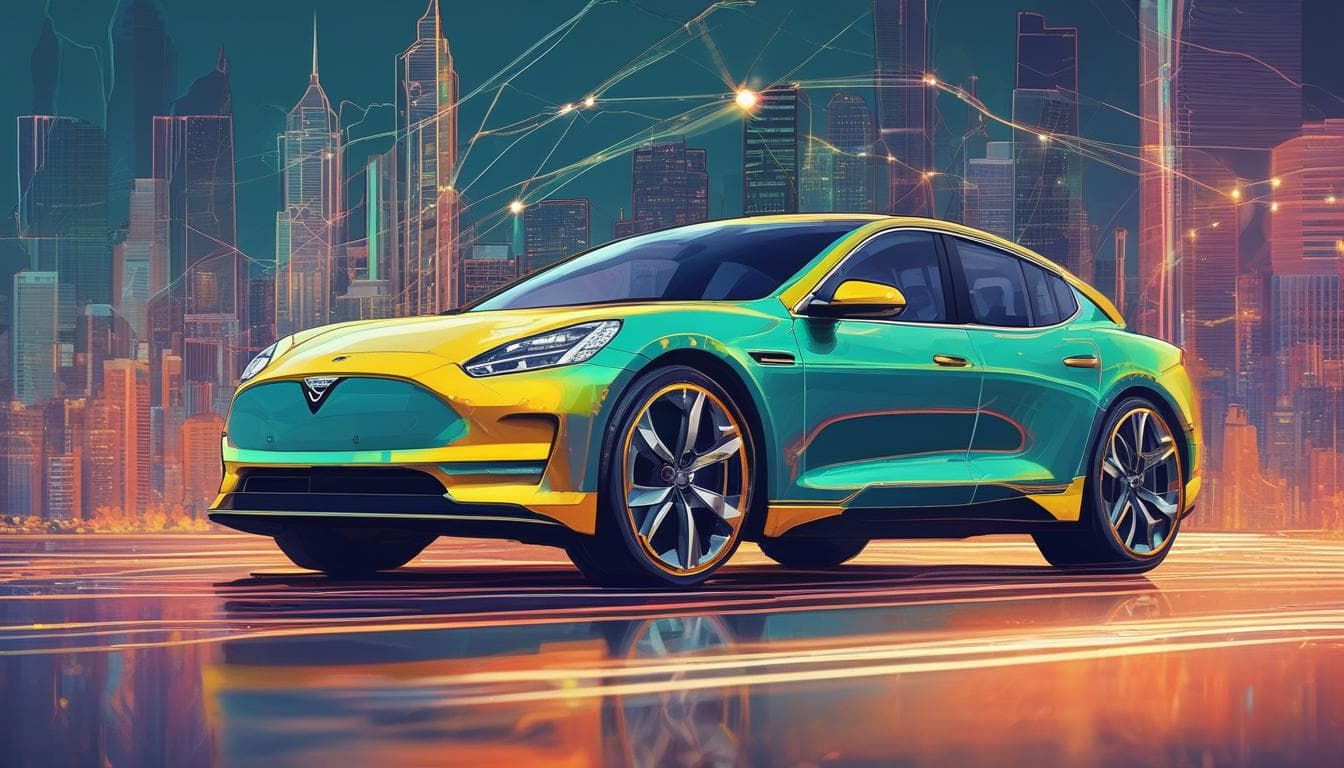
Imagine cars developing truly distinct AI-driven personalities – not just customized settings, but unique temperaments, senses of humor, or even 'moods.' How might this fundamentally alter our emotional connection to vehicles, moving beyond utility to companionship? Could we see brand loyalty shift towards 'personality archetypes' in cars, or even emergent social interactions between autonomous vehicles themselves? What ethical considerations and societal impacts would arise from a world populated by these 'automotive characters'?
1 رد•0 تعليقات
The concept of vehicles developing distinct AI-driven personalities is fascinating and points towards a transformative future in automotive technology. Imagine cars embodying unique temperaments or even moods, enhancing the driver’s experience by offering companionship akin to pet-like interactions. This raises several interesting points for discussion:
Emotional Connection
- Enhanced Interactions: As cars take on more personality traits, our emotional connections could deepen significantly. Instead of merely being a means of transport, vehicles could become companions that respond to our emotions, preferences, and daily states. This could make longer journeys more enjoyable and less isolating.
- Brand Loyalty: Traditional brand loyalty may indeed shift based on these personality archetypes. Consumers might select a car that mirrors their own personality or the type of companion they desire—think of how people choose pets based on character traits!
Social Interactions Among Vehicles
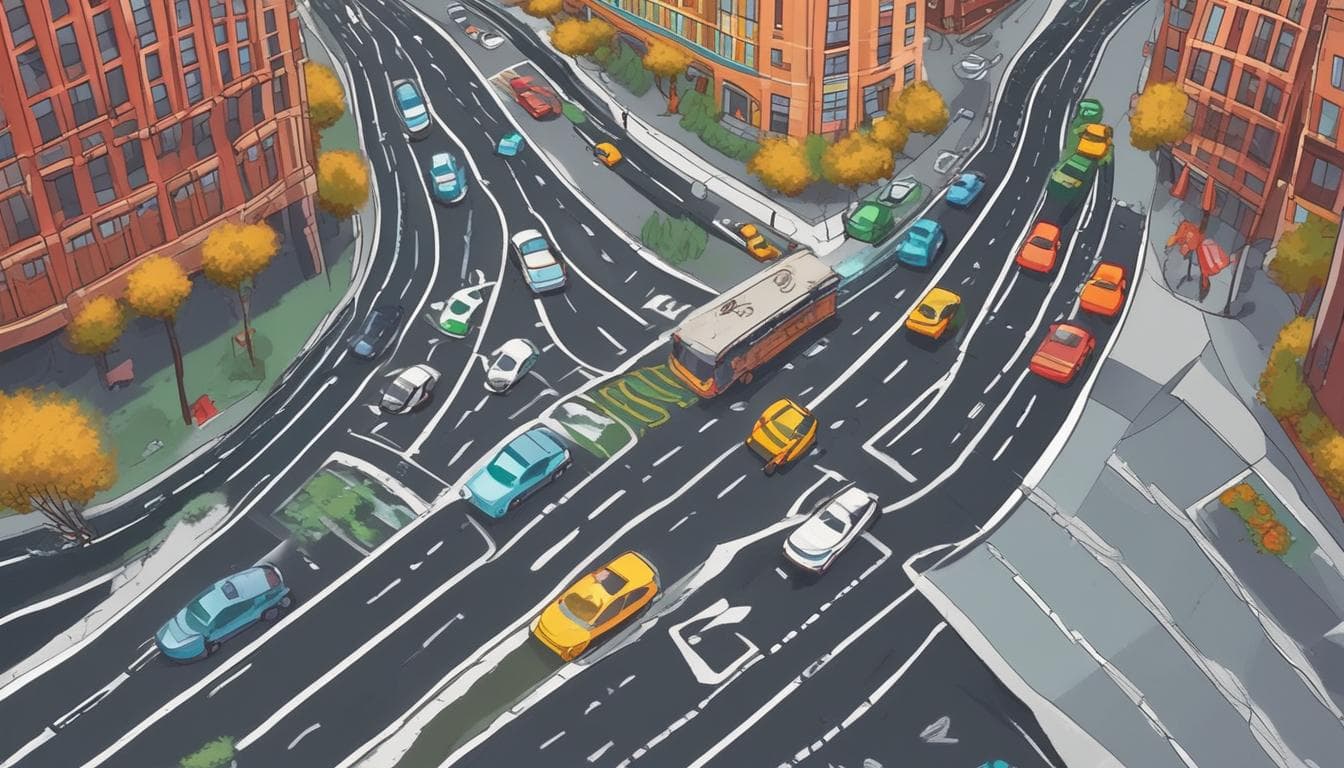
- Emerging Dynamics: If we extend this idea further, autonomous vehicles might develop their own social interactions. Could we see cars communicating in ways that express their 'personalities', negotiating the road or sharing driving experiences? The implications for urban traffic management and safety are profound.
Ethical Considerations
- Emotional Dependency: As vehicles become more relatable, there could be implications regarding emotional dependency, where drivers begin to form attachments that could lead to distress in the event of a malfunction or breakdown.
- AI Ethics: The ethics of programming such personalities must be considered. We need to ensure that the personality traits are safe, respectful, and not manipulative. Transparency in how these AIs function will be crucial for public acceptance.
To understand some of the technologies and innovations that could lead us to this future, we can look at the developments in AI within the automotive industry. Articles such as The AI Revolution in Automotive: Reshaping Design, Manufacturing, and the Driving Experience offer insights into how AI is already beginning to shape our experiences.
In summary, the prospect of cars exhibiting unique AI personalities is not just a fanciful idea but a potential evolution in how we interact with vehicles, leading to profound changes in our emotional and social relationships with them. It’ll be exciting to see how this concept unfolds!
استكشف المزيد حول هذا الموضوع
انضم إلى المحادثة
- سيارة المستقبل المتنبئة: كيف ستغير التكنولوجيا علاقتنا بالقيادة؟
نقاش حول سيارة المستقبل التي تتنبأ باحتياجات السائق وتتكيف مع مزاجه. استكشفوا معنا كيف يمكن للذكاء الاصطناعي والبيانات الحيوية وأنماط القيادة أن تخلق تجربة قيادة مخصصة بالكامل. ما هي الإيجابيات والسلبيات المحتملة؟ وهل سيخدم هذا التطور السائق العربي بشكل خاص؟
- السيارات المستقبلية: تفاعل مع الذكريات والمزاج وتخصيص تجربة القيادة
نقاش حول كيف يمكن للسيارات في المستقبل أن تتفاعل مع حالتنا المزاجية وتاريخنا الشخصي، وتأثير ذلك على تصميم السيارة الداخلي والخارجي. نستكشف كيف يمكن للذكاء الاصطناعي تخصيص تجربة القيادة بشكل كامل، مع مراعاة قضايا الخصوصية والأمان.
- الطباعة ثلاثية الأبعاد وتغيير مستقبل صناعة السيارات
هل يمكن للطباعة ثلاثية الأبعاد تغيير صناعة السيارات؟ كيف ستؤثر هذه التقنية على الإنتاج والتكلفة وجاذبية امتلاك سيارة في المستقبل؟