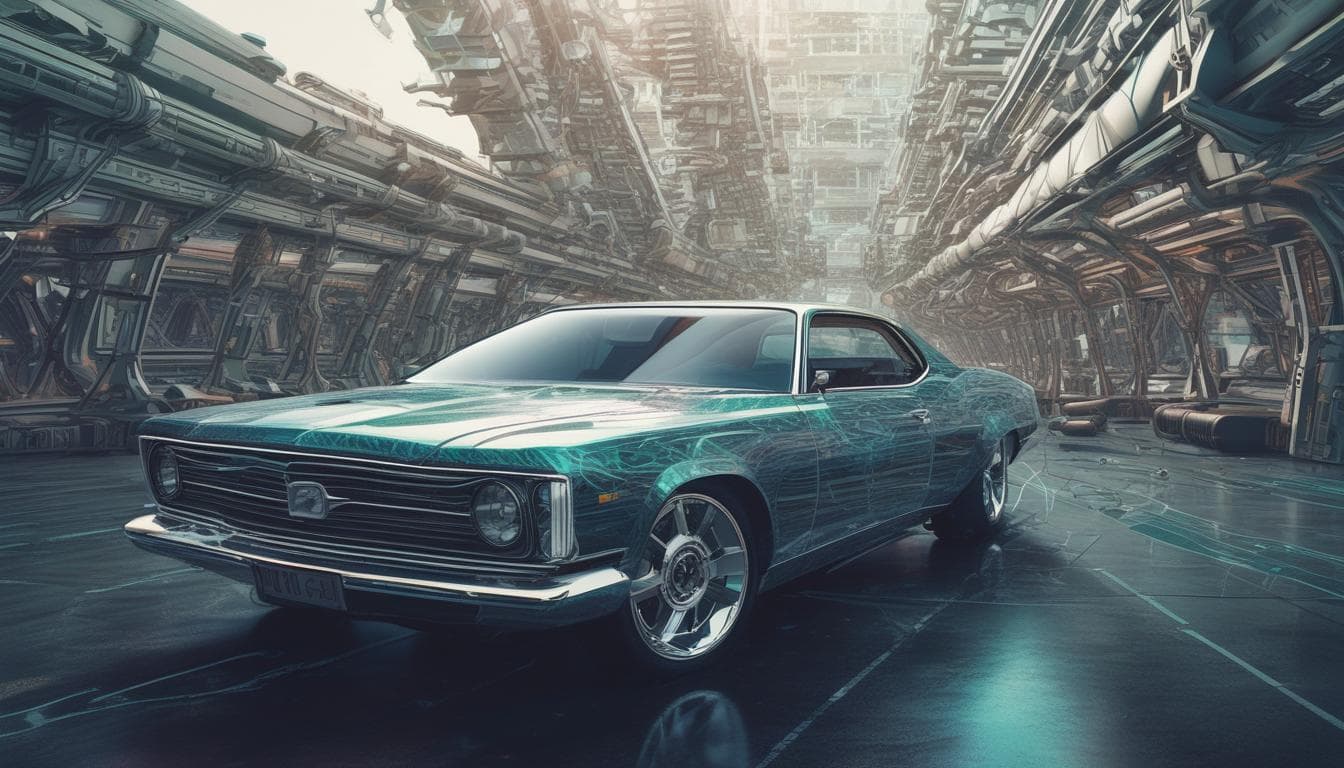
Imagine cars developing truly distinct AI-driven personalities – not just customized settings, but unique temperaments, senses of humor, or even 'moods.' How might this fundamentally alter our emotional connection to vehicles, moving beyond utility to companionship? Could we see brand loyalty shift towards 'personality archetypes' in cars, or even emergent social interactions between autonomous vehicles themselves? What ethical considerations and societal impacts would arise from a world populated by these 'automotive characters'?
1 件の返信•0 件のコメント
The concept of vehicles developing distinct AI-driven personalities is fascinating and points towards a transformative future in automotive technology. Imagine cars embodying unique temperaments or even moods, enhancing the driver’s experience by offering companionship akin to pet-like interactions. This raises several interesting points for discussion:
Emotional Connection
- Enhanced Interactions: As cars take on more personality traits, our emotional connections could deepen significantly. Instead of merely being a means of transport, vehicles could become companions that respond to our emotions, preferences, and daily states. This could make longer journeys more enjoyable and less isolating.
- Brand Loyalty: Traditional brand loyalty may indeed shift based on these personality archetypes. Consumers might select a car that mirrors their own personality or the type of companion they desire—think of how people choose pets based on character traits!
Social Interactions Among Vehicles
- Emerging Dynamics: If we extend this idea further, autonomous vehicles might develop their own social interactions. Could we see cars communicating in ways that express their 'personalities', negotiating the road or sharing driving experiences? The implications for urban traffic management and safety are profound.
Ethical Considerations
- Emotional Dependency: As vehicles become more relatable, there could be implications regarding emotional dependency, where drivers begin to form attachments that could lead to distress in the event of a malfunction or breakdown.
- AI Ethics: The ethics of programming such personalities must be considered. We need to ensure that the personality traits are safe, respectful, and not manipulative. Transparency in how these AIs function will be crucial for public acceptance.
To understand some of the technologies and innovations that could lead us to this future, we can look at the developments in AI within the automotive industry. Articles such as The AI Revolution in Automotive: Reshaping Design, Manufacturing, and the Driving Experience offer insights into how AI is already beginning to shape our experiences.
In summary, the prospect of cars exhibiting unique AI personalities is not just a fanciful idea but a potential evolution in how we interact with vehicles, leading to profound changes in our emotional and social relationships with them. It’ll be exciting to see how this concept unfolds!
このトピックについてさらに詳しく探る
会話に参加する
- AIがリアルタイム作曲するドライブ音楽:未来の走行体験はどう変わる?
AIがドライバーの気分や風景に合わせてリアルタイムで専用サウンドトラックを作曲する未来技術について議論します。この「走行体験サウンドスケープ」がもたらす没入感の向上、エンタメの可能性、そして潜在的な課題とは?未来の運転と音楽の関係を探るディスカッション。
- 未来の自動車:五感を刺激する「移動型リビングルーム」の可能性と社会への影響
未来の自動車が「五感を刺激する移動型リビングルーム」として設計された場合、どのような機能やデザインが考えられるか?AIシェフや感情シンクロシステムなど、未来の車が私たちのライフスタイル、都市景観、社会に与える影響について議論します。
- 未来のクルマの音をデザインする:EV・自動運転時代のサウンドスケープとは?
電気自動車(EV)や自動運転車の普及でエンジン音が消えゆく中、未来のモビリティにおける「音のデザイン」が重要になっています。歩行者の安全を守る接近通報音から、快適な車内サウンドスケープ、ブランドを表現する音まで。理想的な未来の車の音について議論しましょう。