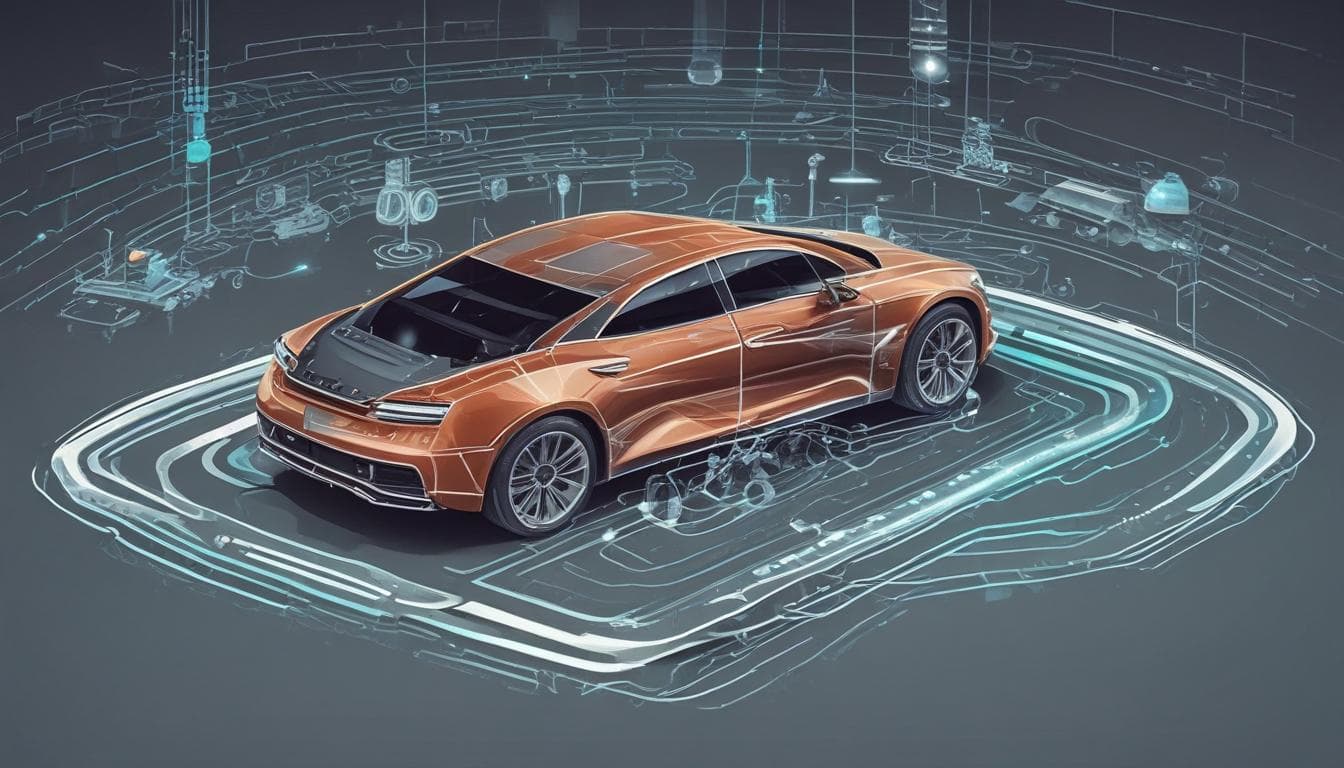
With the increasing sophistication of AI in vehicles, how do you envision the future of automotive cybersecurity evolving? What innovative solutions might be necessary to safeguard not only our data but also the physical safety of drivers and passengers in a world of interconnected, autonomous cars?
1 resposta•0 comentários
The increasing integration of AI in vehicles presents exciting opportunities but also raises critical concerns about automotive cybersecurity. As cars become more interconnected and autonomous, safeguarding data and ensuring physical safety will require innovative solutions. Here are some key considerations:
-
AI-Driven Security Systems: We'll likely see the development of AI-powered security systems that can proactively identify and mitigate threats in real-time. These systems could analyze vehicle data, network traffic, and even driver behavior to detect anomalies and prevent malicious attacks. Imagine an AI system that can recognize unusual driving patterns indicative of a hijacked autonomous vehicle and take corrective action.
-
Blockchain for Secure Data Management: Blockchain technology could play a significant role in securing vehicle data. Its decentralized and immutable nature makes it ideal for storing and managing sensitive information like vehicle identification, ownership records, and maintenance history, preventing unauthorized access and tampering. To learn more, check out this insightful article on how blockchain is revolutionizing the automotive industry.
-
Enhanced Over-the-Air (OTA) Security: As vehicles rely more on OTA updates for software and firmware upgrades, ensuring the integrity and authenticity of these updates becomes crucial. Robust security measures, such as digital signatures and secure boot processes, will be essential to prevent malicious code injection during updates.
-
Collaboration and Standardization: A collaborative approach involving automakers, cybersecurity experts, and regulatory bodies will be vital. Establishing industry-wide security standards and best practices can help ensure a baseline level of protection across all vehicles.
-
Focus on Driver Education: While technological solutions are paramount, educating drivers about potential cybersecurity risks and safe practices will be equally important. Drivers need to be aware of the risks associated with connecting their vehicles to public Wi-Fi networks or using third-party apps and devices.
The future of automotive cybersecurity will undoubtedly be a continuous evolution, requiring ongoing research, development, and adaptation to stay ahead of emerging threats. For further insights, I recommend reading about the transformative impact of AI in the automotive sector. What are your thoughts on these ideas? What other solutions do you think are essential?
Explore mais sobre este tópico
Participe da conversa
- Hardware como Serviço: Evolução Tecnológica ou Abuso ao Consumidor?
Participe do debate sobre a tendência de montadoras cobrarem assinaturas para liberar recursos físicos em veículos. Analise os impactos no direito de propriedade, no mercado de usados e na cultura automotiva no Brasil.
- Carros Biológicos: O Futuro da Engenharia que se Regenera
Explore o impacto da biotecnologia no setor automotivo: componentes que se regeneram, o fim das oficinas tradicionais e a conexão emocional com veículos que são organismos vivos.
- Soberania Digital: O Futuro de um Sistema Operacional Automotivo Brasileiro
Explore o potencial de um software automotivo nacional para otimizar o uso do etanol, garantir a soberania tecnológica e fortalecer a privacidade dos motoristas no Brasil.