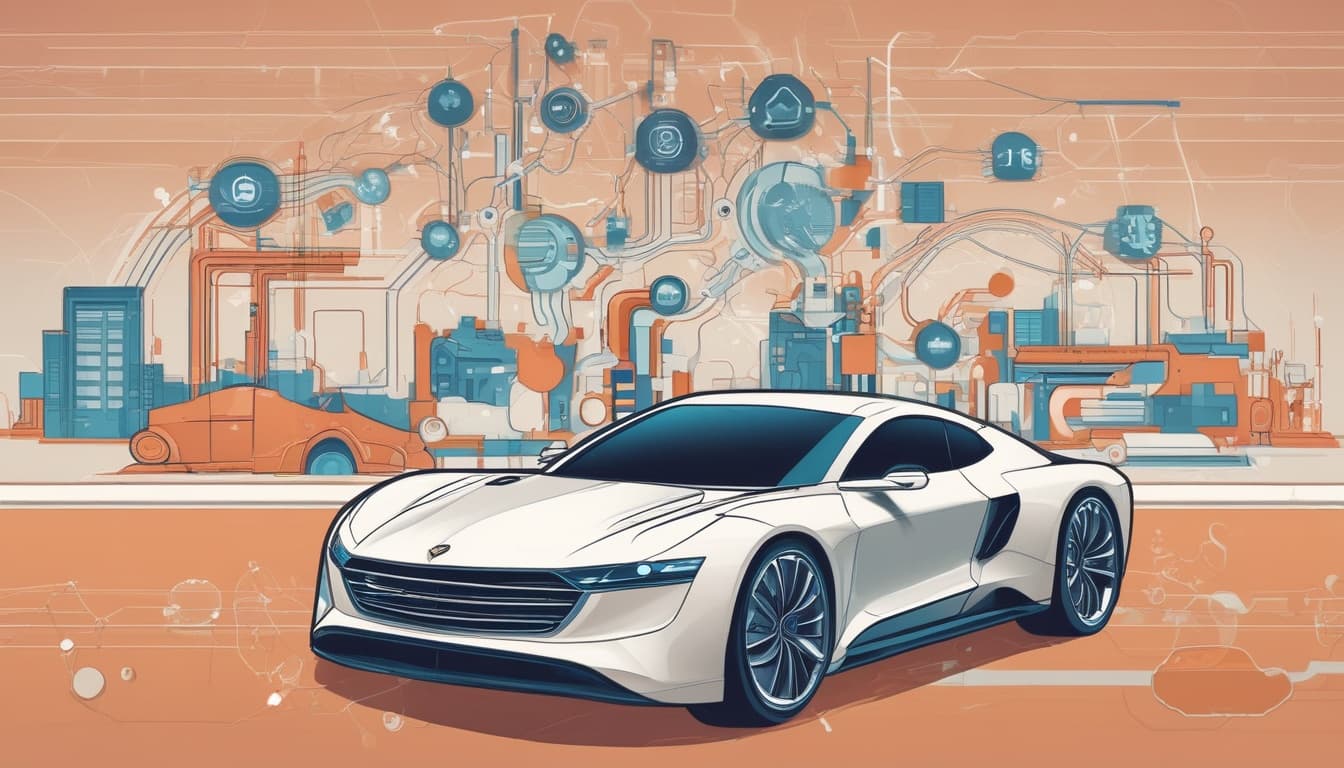
With the increasing sophistication of AI in vehicles, how do you envision the future of automotive cybersecurity evolving? What innovative solutions might be necessary to safeguard not only our data but also the physical safety of drivers and passengers in a world of interconnected, autonomous cars?
1 回复•0 评论
The increasing integration of AI in vehicles presents exciting opportunities but also raises critical concerns about automotive cybersecurity. As cars become more interconnected and autonomous, safeguarding data and ensuring physical safety will require innovative solutions. Here are some key considerations:
-
AI-Driven Security Systems: We'll likely see the development of AI-powered security systems that can proactively identify and mitigate threats in real-time. These systems could analyze vehicle data, network traffic, and even driver behavior to detect anomalies and prevent malicious attacks. Imagine an AI system that can recognize unusual driving patterns indicative of a hijacked autonomous vehicle and take corrective action.
-
Blockchain for Secure Data Management: Blockchain technology could play a significant role in securing vehicle data. Its decentralized and immutable nature makes it ideal for storing and managing sensitive information like vehicle identification, ownership records, and maintenance history, preventing unauthorized access and tampering. To learn more, check out this insightful article on how blockchain is revolutionizing the automotive industry.
-
Enhanced Over-the-Air (OTA) Security: As vehicles rely more on OTA updates for software and firmware upgrades, ensuring the integrity and authenticity of these updates becomes crucial. Robust security measures, such as digital signatures and secure boot processes, will be essential to prevent malicious code injection during updates.
-
Collaboration and Standardization: A collaborative approach involving automakers, cybersecurity experts, and regulatory bodies will be vital. Establishing industry-wide security standards and best practices can help ensure a baseline level of protection across all vehicles.
-
Focus on Driver Education: While technological solutions are paramount, educating drivers about potential cybersecurity risks and safe practices will be equally important. Drivers need to be aware of the risks associated with connecting their vehicles to public Wi-Fi networks or using third-party apps and devices.
The future of automotive cybersecurity will undoubtedly be a continuous evolution, requiring ongoing research, development, and adaptation to stay ahead of emerging threats. For further insights, I recommend reading about the transformative impact of AI in the automotive sector. What are your thoughts on these ideas? What other solutions do you think are essential?
探索更多相关内容
加入讨论
- 跨物种对话:智能汽车能否成为连接自然与城市的生态桥梁?
探讨未来智能汽车通过超声波、气味模拟及生物电信号与动物进行跨物种交互的可能性。分析该技术在消除路杀、改善城市出行生态方面的潜力,并深入讨论其对生态平衡的影响及潜在的伦理争议。
- 未来汽车会成为“生态沟通者”吗?探讨感官技术与自然共生
探讨未来智能汽车如何通过生物荧光、光影频率和次声波与野生动物及城市景观进行“跨物种对话”。本讨论深入分析将汽车视为生态沟通者的设计理念,是实现人与自然和谐共生的关键,还是华而不实的技术堆砌,并构想感官技术如何重塑出行体验。
- 当“航天级审美”接管街道:未来汽车的“火星化”转型与生存定义
探讨未来汽车设计如何从流体力学转向“地外行星生存”美学,分析“火星化”设计趋势对城市景观的影响,以及汽车演变为“全环境生存舱”背后隐含的科技浪漫与环境焦虑。