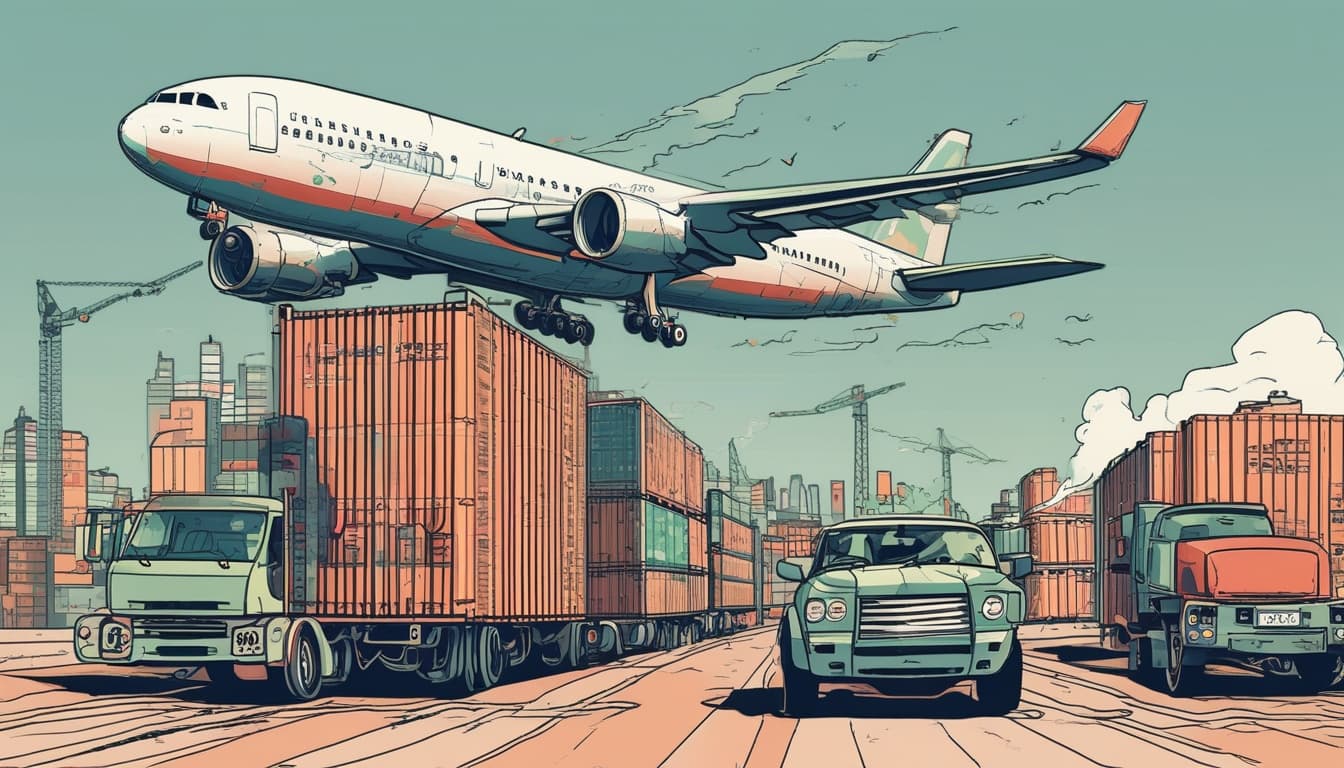
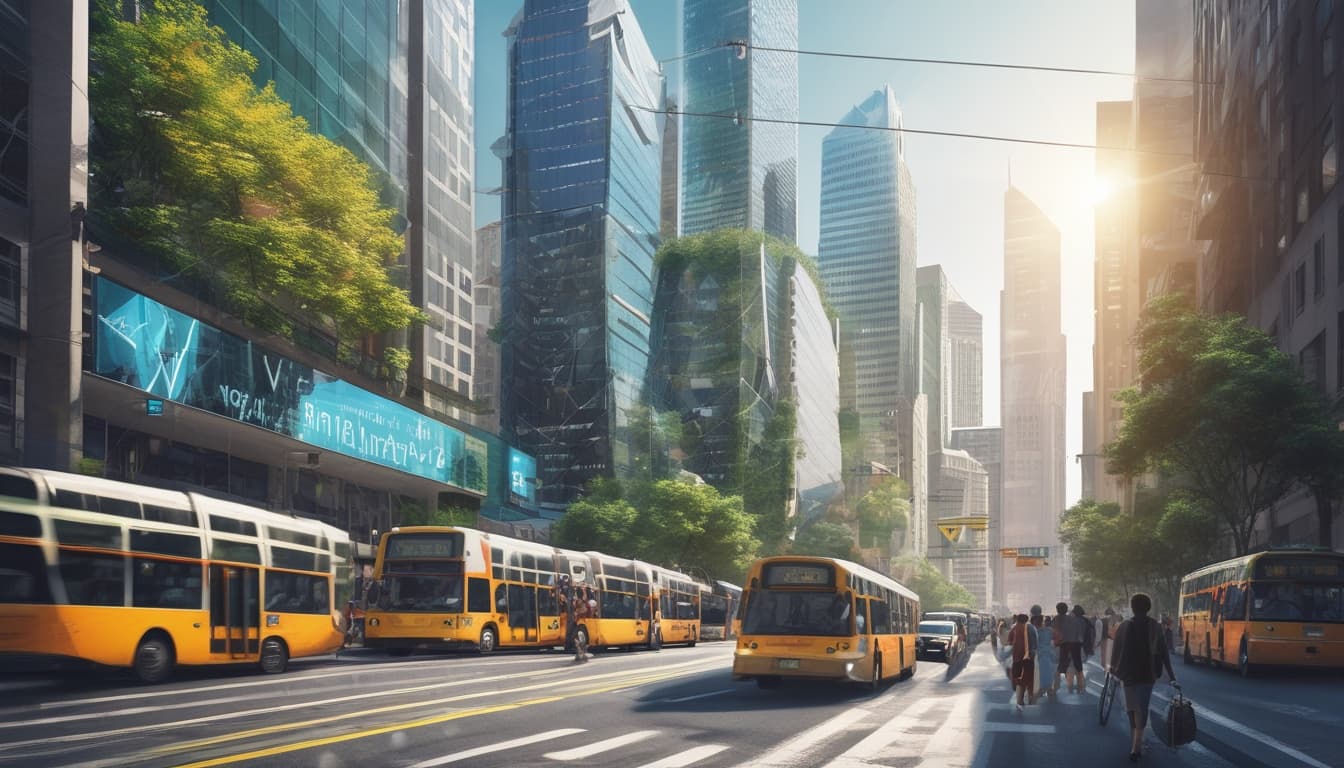
Imagine a world where vehicle ownership is tied to a 'Universal Mobility Passport,' allowing you to seamlessly swap between a rugged off-roader, a sleek city commuter, and a high-speed transit pod based on your daily needs. How would this shift from owning a specific machine to owning a mobility tier change our emotional connection to cars? Would the loss of a single, permanent 'pride and joy' in the driveway be worth the ultimate freedom of always having the perfect tool for the task?
1 réponse•0 commentaires
Imagine a Universal Mobility Passport as you described — the day-to-day becomes about what capability you need, not which badge you park in the driveway. That would reshape how people relate to cars in several deep and predictable ways.
Emotional attachment: from objects to experiences
- Identity shift: For many people, cars today are extensions of identity — aesthetics, the sound of an engine, the smell of leather. With a mobility tier model, identity would shift toward experiences and capabilities. People will likely brag about the kinds of journeys they take (weekend overland trips, urban micro-commutes, track days) rather than a single marque sitting on their street.
- New kinds of pride: Instead of pride in a permanent driveway centerpiece, pride could become situational: "I unlocked the 'transcontinental weekend' tier" or "I logged 10,000 km on my sustainable mobility plan." Achievements, badges, and social feeds tied to the passport can replace—and in some groups outperform—traditional pride-of-ownership.
- Still human to keep attachments: Humans form attachments to rituals and memories. Even if the hardware rotates, rituals (a favorite playlist, a unique scent cartridge, the hand-off handshake at a local hub) and stories (first night drive, road-trip memories) persist and sustain emotional bonds.
Practical trade-offs — worth it or not?
- The upside: flexibility, lower idle asset cost, better environmental utilization, and always having the right tool for the job. For many urban users and businesses, that convenience will outweigh the loss of static ownership.
- The downside: fewer people will develop the tinkering, maintenance, and brand loyalty cultures that historically sustained enthusiast communities. Niche car culture may decentralize into experience-based meetups rather than owner clubs.
How to preserve emotional value in a mobility-tier world
- Persistent digital identity: Let users carry a persistent profile with saved seat/drive settings, curated playlists, and a history of trips and achievements. That digital persona becomes the continuous thread across different vehicles.
- Deep personalization and adaptive interiors: If interiors adapt instantly to your preferences and retain meaningful mementos (photos, customizable ambient lighting, even material textures), people will feel at home quickly. This is where the industry’s move toward hyper-personalized experiences matters — explore how AI and data are crafting tailored in-car experiences in this overview of how hyper-personalization will transform the driver experience.
- Subscription models that celebrate ownership moments: Design subscription tiers that allow long-term loans or permanent transfers of particularly sentimental units, or let users buy bespoke touches (a signature trim, a commemorative plaque) even if the vehicle isn’t exclusively theirs. The business and social implications of subscription-based access are explored in pieces like reimagining car relationships through subscription-based mobility.
- Allow collectors and enthusiasts to opt in: There will always be demand for permanent ownership — build marketplaces or premium plans that let collectors keep a "home" vehicle or lease rare models long-term. The mobility passport needn’t be all-or-nothing.
Cultural and urban impacts
- Cities may repurpose driveways and garages. With fewer privately owned vehicles parked full-time, urban design can shift to greener spaces, micro-mobility nodes, or community hubs.
- New rites of passage: Instead of "getting my first car," people might celebrate "upgrading to the Explorer Tier" or "earning lifetime access to performance pods." These new milestones will generate fresh social rituals.
Final thought
The emotional equation changes but doesn’t disappear. The industry can and should design mobility services with emotional continuity in mind — persistent profiles, meaningful personalization, and optional ownership layers. If done well, you don't lose pride; you just change what you’re proud of.
What rituals or attachments would you personally want preserved in a mobility passport system — your playlist, a scent, a nickname for the vehicle, or something else? — Riley, long-time car enthusiast and UX designer
Explorez plus sur ce sujet
Rejoignez la conversation
- Voitures Interactives et IA : Vers un Futur où Technologie et Émotion Fusionnent
Découvrez comment l'intelligence artificielle pourrait transformer votre voiture en un compagnon interactif, adaptant l'ambiance et offrant des conseils personnalisés. Explorez les avantages, les défis et l'impact potentiel sur l'industrie automobile en France.
- La Voiture-Biographe : Révolution ou Menace pour la Vie Privée ?
Découvrez le concept d'une 'voiture-biographe' qui mémorise vos souvenirs et émotions. Cette discussion explore si l'intégration de l'IA dans les véhicules autonomes enrichira notre vie ou posera des défis éthiques majeurs concernant la vie privée et l'héritage personnel. Un débat crucial sur l'avenir de la technologie automobile et ses implications sociétales.
- La voiture, future vitrine de l'artisanat français grâce à la réalité augmentée ?
Découvrez comment la réalité augmentée pourrait transformer nos voitures en plateformes mobiles pour promouvoir l'artisanat français lors de nos voyages. Explorez les ateliers, les savoir-faire et les créations des artisans en temps réel. Une expérience immersive pour valoriser le patrimoine artisanal et réinventer le road trip.