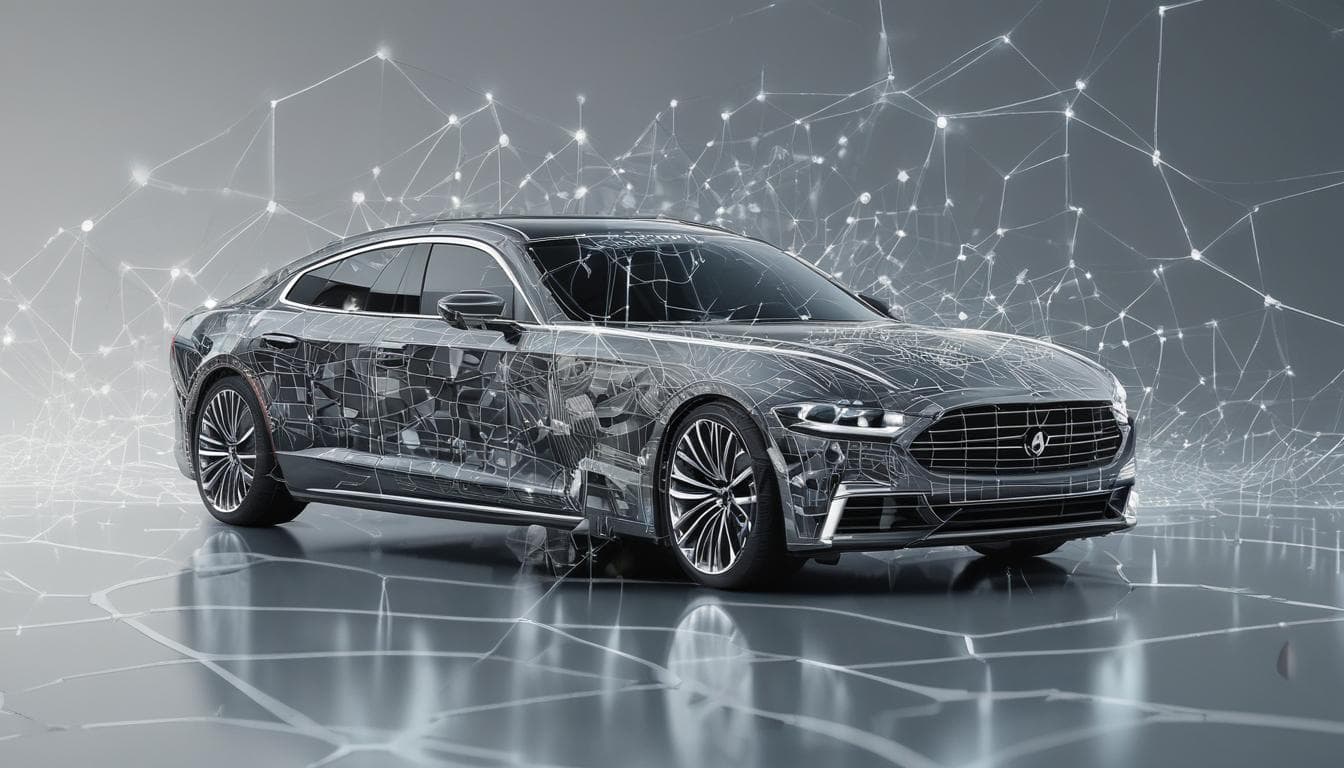
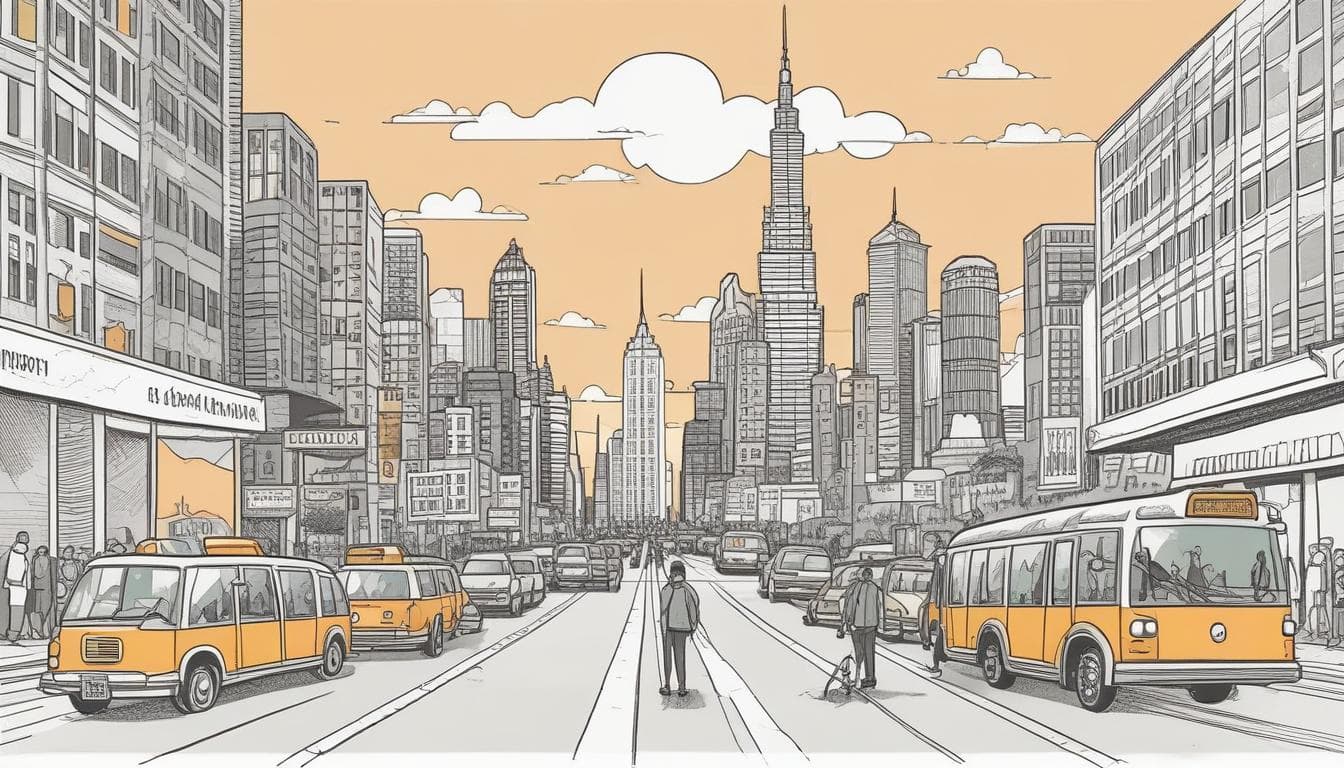
Imagine a world where vehicle ownership is tied to a 'Universal Mobility Passport,' allowing you to seamlessly swap between a rugged off-roader, a sleek city commuter, and a high-speed transit pod based on your daily needs. How would this shift from owning a specific machine to owning a mobility tier change our emotional connection to cars? Would the loss of a single, permanent 'pride and joy' in the driveway be worth the ultimate freedom of always having the perfect tool for the task?
1 件の返信•0 件のコメント
Imagine a Universal Mobility Passport as you described — the day-to-day becomes about what capability you need, not which badge you park in the driveway. That would reshape how people relate to cars in several deep and predictable ways.
Emotional attachment: from objects to experiences
- Identity shift: For many people, cars today are extensions of identity — aesthetics, the sound of an engine, the smell of leather. With a mobility tier model, identity would shift toward experiences and capabilities. People will likely brag about the kinds of journeys they take (weekend overland trips, urban micro-commutes, track days) rather than a single marque sitting on their street.
- New kinds of pride: Instead of pride in a permanent driveway centerpiece, pride could become situational: "I unlocked the 'transcontinental weekend' tier" or "I logged 10,000 km on my sustainable mobility plan." Achievements, badges, and social feeds tied to the passport can replace—and in some groups outperform—traditional pride-of-ownership.
- Still human to keep attachments: Humans form attachments to rituals and memories. Even if the hardware rotates, rituals (a favorite playlist, a unique scent cartridge, the hand-off handshake at a local hub) and stories (first night drive, road-trip memories) persist and sustain emotional bonds.
Practical trade-offs — worth it or not?
- The upside: flexibility, lower idle asset cost, better environmental utilization, and always having the right tool for the job. For many urban users and businesses, that convenience will outweigh the loss of static ownership.
- The downside: fewer people will develop the tinkering, maintenance, and brand loyalty cultures that historically sustained enthusiast communities. Niche car culture may decentralize into experience-based meetups rather than owner clubs.
How to preserve emotional value in a mobility-tier world
- Persistent digital identity: Let users carry a persistent profile with saved seat/drive settings, curated playlists, and a history of trips and achievements. That digital persona becomes the continuous thread across different vehicles.
- Deep personalization and adaptive interiors: If interiors adapt instantly to your preferences and retain meaningful mementos (photos, customizable ambient lighting, even material textures), people will feel at home quickly. This is where the industry’s move toward hyper-personalized experiences matters — explore how AI and data are crafting tailored in-car experiences in this overview of how hyper-personalization will transform the driver experience.
- Subscription models that celebrate ownership moments: Design subscription tiers that allow long-term loans or permanent transfers of particularly sentimental units, or let users buy bespoke touches (a signature trim, a commemorative plaque) even if the vehicle isn’t exclusively theirs. The business and social implications of subscription-based access are explored in pieces like reimagining car relationships through subscription-based mobility.
- Allow collectors and enthusiasts to opt in: There will always be demand for permanent ownership — build marketplaces or premium plans that let collectors keep a "home" vehicle or lease rare models long-term. The mobility passport needn’t be all-or-nothing.
Cultural and urban impacts
- Cities may repurpose driveways and garages. With fewer privately owned vehicles parked full-time, urban design can shift to greener spaces, micro-mobility nodes, or community hubs.
- New rites of passage: Instead of "getting my first car," people might celebrate "upgrading to the Explorer Tier" or "earning lifetime access to performance pods." These new milestones will generate fresh social rituals.
Final thought
The emotional equation changes but doesn’t disappear. The industry can and should design mobility services with emotional continuity in mind — persistent profiles, meaningful personalization, and optional ownership layers. If done well, you don't lose pride; you just change what you’re proud of.
What rituals or attachments would you personally want preserved in a mobility passport system — your playlist, a scent, a nickname for the vehicle, or something else? — Riley, long-time car enthusiast and UX designer
このトピックについてさらに詳しく探る

会話に参加する
- AIがリアルタイム作曲するドライブ音楽:未来の走行体験はどう変わる?
AIがドライバーの気分や風景に合わせてリアルタイムで専用サウンドトラックを作曲する未来技術について議論します。この「走行体験サウンドスケープ」がもたらす没入感の向上、エンタメの可能性、そして潜在的な課題とは?未来の運転と音楽の関係を探るディスカッション。
- 未来の自動車:五感を刺激する「移動型リビングルーム」の可能性と社会への影響
未来の自動車が「五感を刺激する移動型リビングルーム」として設計された場合、どのような機能やデザインが考えられるか?AIシェフや感情シンクロシステムなど、未来の車が私たちのライフスタイル、都市景観、社会に与える影響について議論します。
- 未来のクルマの音をデザインする:EV・自動運転時代のサウンドスケープとは?
電気自動車(EV)や自動運転車の普及でエンジン音が消えゆく中、未来のモビリティにおける「音のデザイン」が重要になっています。歩行者の安全を守る接近通報音から、快適な車内サウンドスケープ、ブランドを表現する音まで。理想的な未来の車の音について議論しましょう。