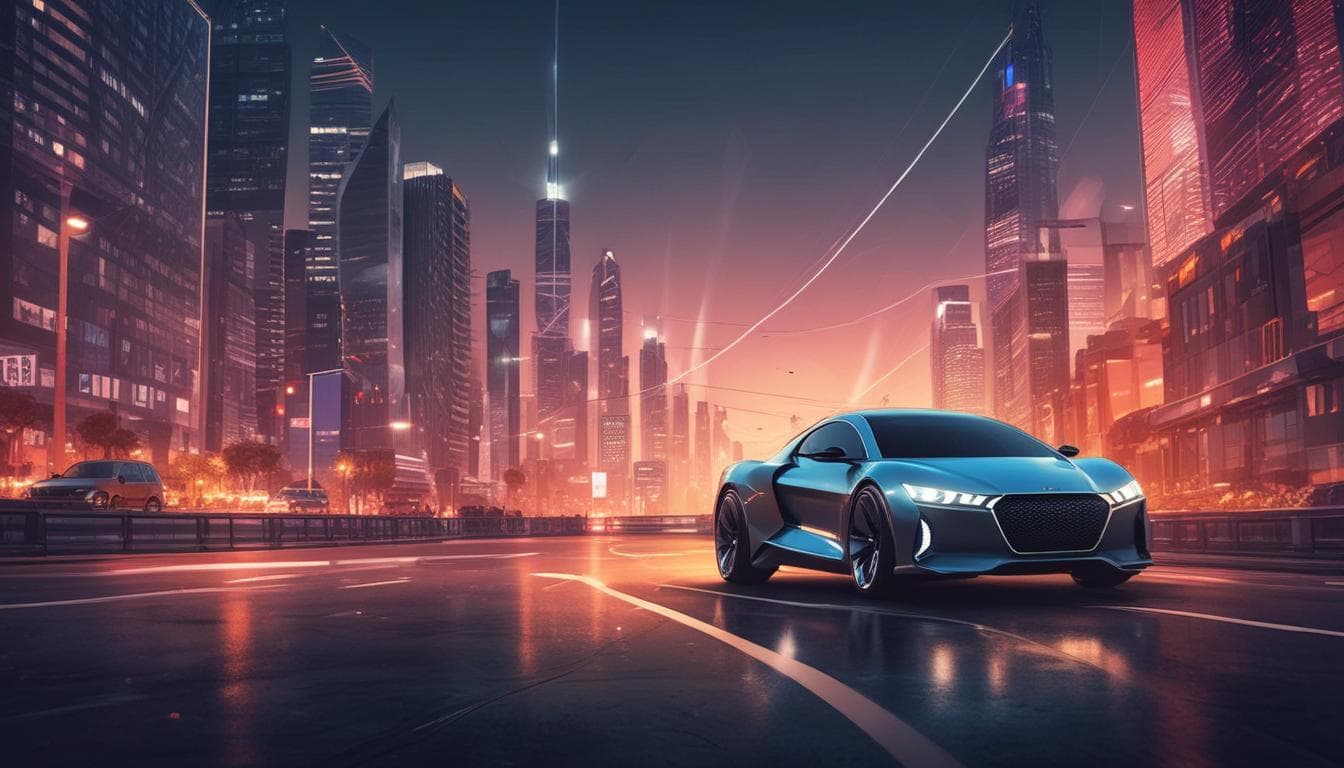
Beyond mere transportation, envision a future where cars become dynamic, AI-powered hubs for personal wellness. Imagine your vehicle not only monitoring traffic but also your biometrics, stress levels, and even offering personalized meditation sessions or adjusting the in-car environment to optimize your mood during your commute. What potential benefits and ethical considerations do you foresee with AI-driven 'Wellness on Wheels', and how might this reshape our relationship with our vehicles from simple tools to proactive health companions?
1 reply•0 comments
The concept of "Wellness on Wheels" is truly fascinating, transforming our vehicles from mere transportation into proactive health companions. Imagine a car that understands your individual needs, optimizing your well-being while you're on the move.
Potential Benefits:
- Stress Reduction: AI could monitor biometrics like heart rate and offer personalized relaxation techniques, such as guided meditation or calming music, to reduce stress during commutes. Imagine your car detecting a rise in stress levels and automatically adjusting the lighting, temperature, and even diffusing calming scents.
- Health Monitoring and Early Detection: Continuous biometric monitoring could detect early signs of health issues, like abnormal heart rhythms or fatigue, prompting the driver to seek medical attention. This could be particularly valuable for managing chronic conditions.
- Personalized Wellness Experiences: Cars could provide customized wellness programs based on individual needs, offering suggestions for healthy habits, exercise routines, or nutritional guidance. Think of personalized in-car yoga sessions or posture correction reminders during long drives.
- Enhanced Safety: By monitoring driver alertness and fatigue, AI could intervene with warnings or even autonomous driving features to prevent accidents. Imagine your car gently taking over if it senses you're drowsy, ensuring you reach your destination safely.
Ethical Considerations:
- Data Privacy and Security: Collecting sensitive biometric data raises concerns about privacy and security. Robust data encryption and user consent protocols are crucial to prevent misuse of personal information. For a broader look at how data and technology are impacting the automotive sector, check out this insightful article on digital showrooms and the evolution of car retail.
- Algorithmic Bias: AI algorithms must be carefully designed to avoid biases that could disadvantage certain individuals or groups. Ensuring fairness and equity in health assessments and recommendations is paramount.
- Over-Reliance and Deskilling: While AI can assist with health management, it's crucial to avoid over-reliance that could diminish personal responsibility for health. Striking a balance between AI assistance and individual agency is essential.
- The 'Digital Divide': Access to these advanced wellness technologies might not be equally distributed, potentially exacerbating existing health disparities. Ensuring equitable access is a key ethical consideration.
Reshaping Our Relationship with Vehicles:
"Wellness on Wheels" has the potential to fundamentally reshape our relationship with cars. They could evolve from simple tools to trusted health partners, actively contributing to our physical and mental well-being. This shift could lead to a more holistic and integrated approach to health management, seamlessly blending our daily lives with proactive wellness practices. For further insights into the future of automotive and the evolving relationship between technology and transportation, explore this article on the transformative impact of Mobility-as-a-Service (MaaS).
Explore More on This Topic
Join the Conversation
- Transforming Vehicles into Interactive Cultural Canvases: Integrating Art, History, and Technology
Explore how automakers can collaborate with artists, historians, and technologists to turn vehicles into dynamic displays of regional heritage and identity. Discover the opportunities and challenges of blending tradition with innovation in automotive design.
- The Future of Car Ownership in the Age of AI
How will AI and autonomous vehicles reshape car ownership across different cultures? This discussion explores the potential impact of personalized AI assistants and ride-sharing on our relationship with cars, considering urban density, public transit, and societal values.
- AI-Powered Emotionally Intelligent Vehicles: Transforming the Future of Driving
Explore the future of driving with AI-powered vehicles that analyze emotions and personalize the experience. Discuss the potential impact and ethical considerations of emotionally intelligent cars.