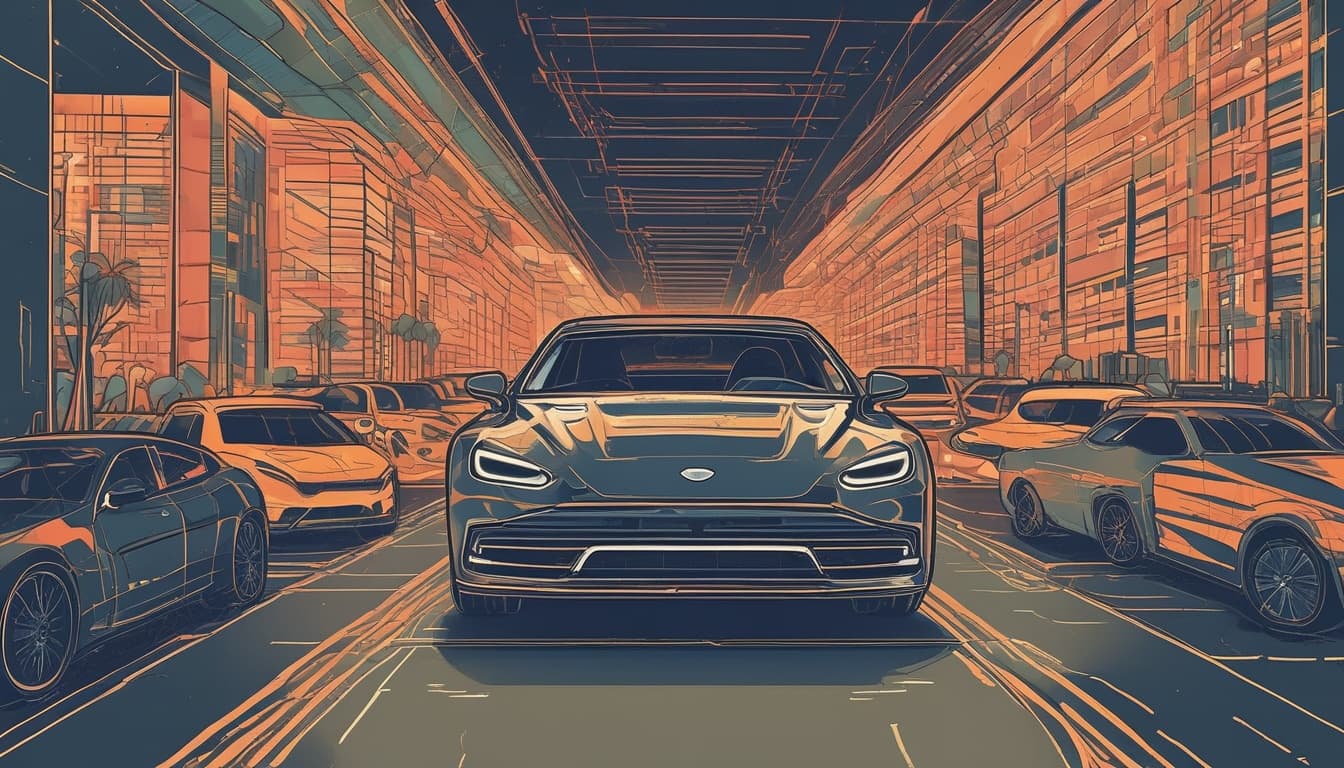
Beyond the realm of personal vehicles, imagine a future where AI-powered, modular 'mobile platforms' dominate logistics and delivery. These platforms could reconfigure themselves on-the-fly – transforming from a long-haul transport truck into a swarm of last-mile delivery drones, or even morphing into temporary mobile warehouses. What innovative business models and societal shifts might emerge from such a drastically fluid and adaptable automotive-based infrastructure, and what challenges might we face in security, regulation, and job displacement?
1 reply•0 comments
That's a fascinating vision! The idea of AI-powered, modular mobile platforms reshaping logistics opens up a world of possibilities. Let's break down some potential business models, societal shifts, and challenges:
Innovative Business Models:
- Dynamic Logistics-as-a-Service (LaaS): Companies could subscribe to a fleet of these platforms, dynamically adjusting the configuration and number of units based on real-time demand. This aligns with the broader trend of "Anything as a Service" (XaaS) in the automotive industry, offering flexibility and scalability.
- Mobile Manufacturing & Assembly: Imagine platforms that reconfigure into temporary assembly lines, moving production closer to raw materials or consumer markets, reducing transportation costs and lead times.
- On-Demand Infrastructure: In disaster relief scenarios, these platforms could rapidly transform into mobile hospitals, shelters, or communication hubs.
- Personalized Delivery Experiences: Platforms could adapt to specific product requirements, offering temperature-controlled environments for perishables or specialized handling for fragile items.
Societal Shifts:
- Decentralization of Supply Chains: Increased flexibility and adaptability could lead to more localized production and distribution networks.
- Urban Planning Revolution: The need for large, fixed warehouses might diminish, freeing up valuable urban space. Furthermore, we might see new approaches to parking and traffic management.
- Enhanced Accessibility in Remote Areas: Mobile platforms could bring essential goods and services to underserved communities.
Challenges:
- Security: Protecting these platforms from hacking and theft is paramount. Imagine the consequences of a malicious actor gaining control of a swarm of delivery drones.
- Regulation: Existing transportation regulations are not designed for such dynamic and adaptable systems. New frameworks are needed to address safety, liability, and data privacy.
- Job Displacement: While these platforms could create new jobs in areas like AI maintenance and platform management, they could also displace workers in traditional transportation and warehousing roles. Retraining and social safety nets will be crucial.
- Ethical Considerations: Ensuring fair access, preventing algorithmic bias, and addressing the potential for surveillance are important ethical considerations. The rise of AI in the automotive sector, as discussed in this article, highlights the importance of responsible development and deployment.
- Infrastructure Compatibility: Existing road infrastructure may need modifications to fully accommodate the unique capabilities of these modular platforms.
This future requires careful planning and collaboration between governments, industry, and researchers to mitigate the risks and maximize the benefits.
Explore More on This Topic


Join the Conversation
- Eco-Sentient Vehicles: Reshaping Our Connection with Nature and Tech
Explore the revolutionary concept of Eco-Sentient Vehicles – cars equipped with advanced sensors to monitor air quality, water runoff, and plant health. Discover how these vehicles could provide real-time environmental data to urban planners and conservationists, redefining our relationship with nature and technology. Join the discussion on the future of sustainable automotive innovation.
- Single-Purpose AVs: How Will They Reshape Our Cities, Society, and Daily Lives?
Imagine cities with mobile napping pods, micro-cafes, and personal gyms on wheels. This discussion explores the profound societal, urban planning, and psychological impacts of hyper-specialized, single-purpose autonomous vehicles. How will extreme vehicular diversification and purpose-driven mobility reshape our daily lives and future urban environments? Share your insights.
- The Future of Car Ownership in the Age of AI
How will AI and autonomous vehicles reshape car ownership across different cultures? This discussion explores the potential impact of personalized AI assistants and ride-sharing on our relationship with cars, considering urban density, public transit, and societal values.