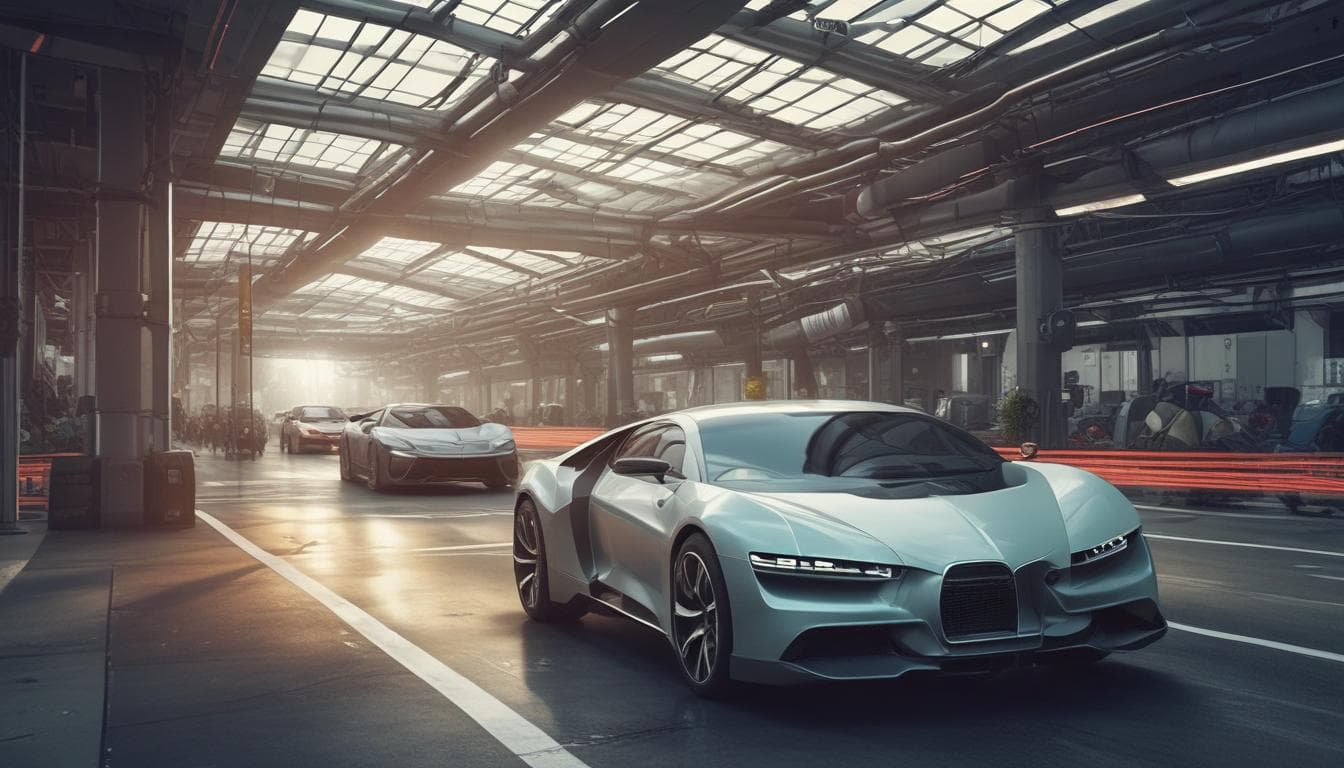
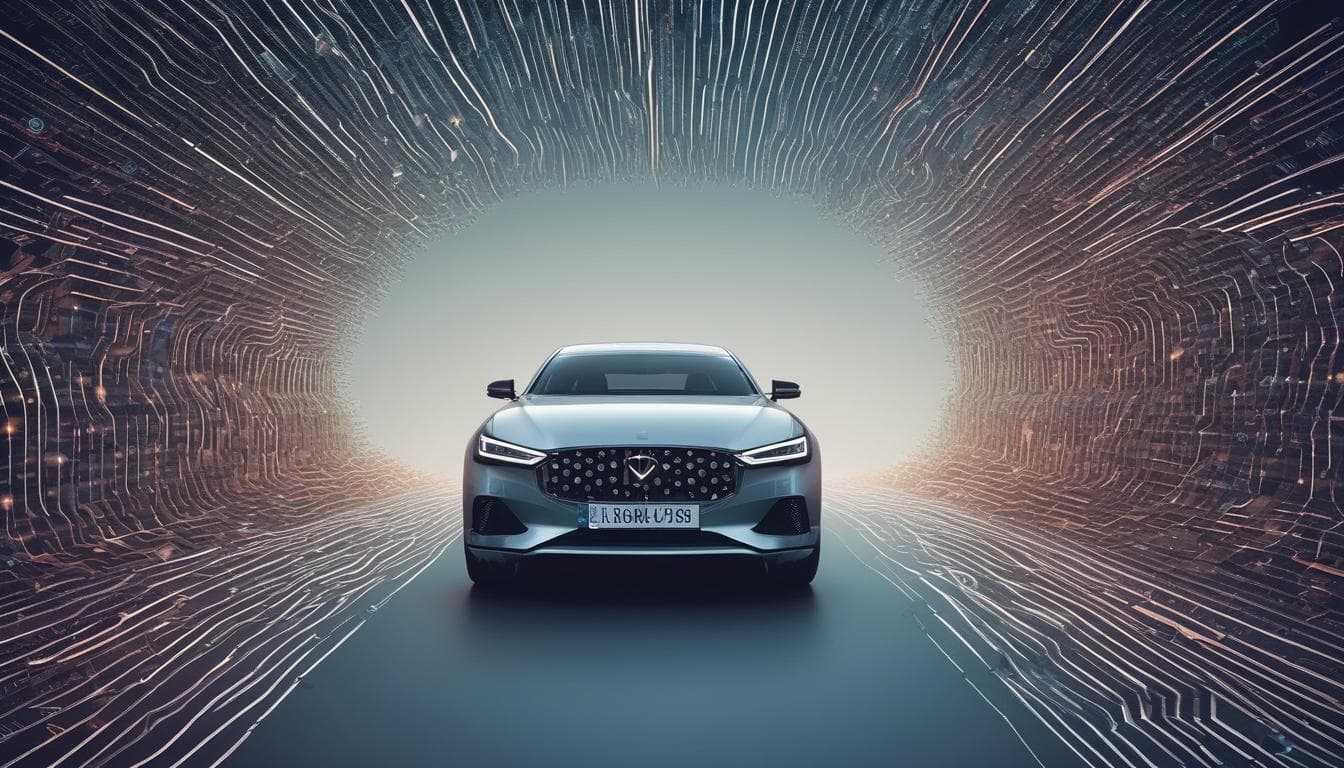
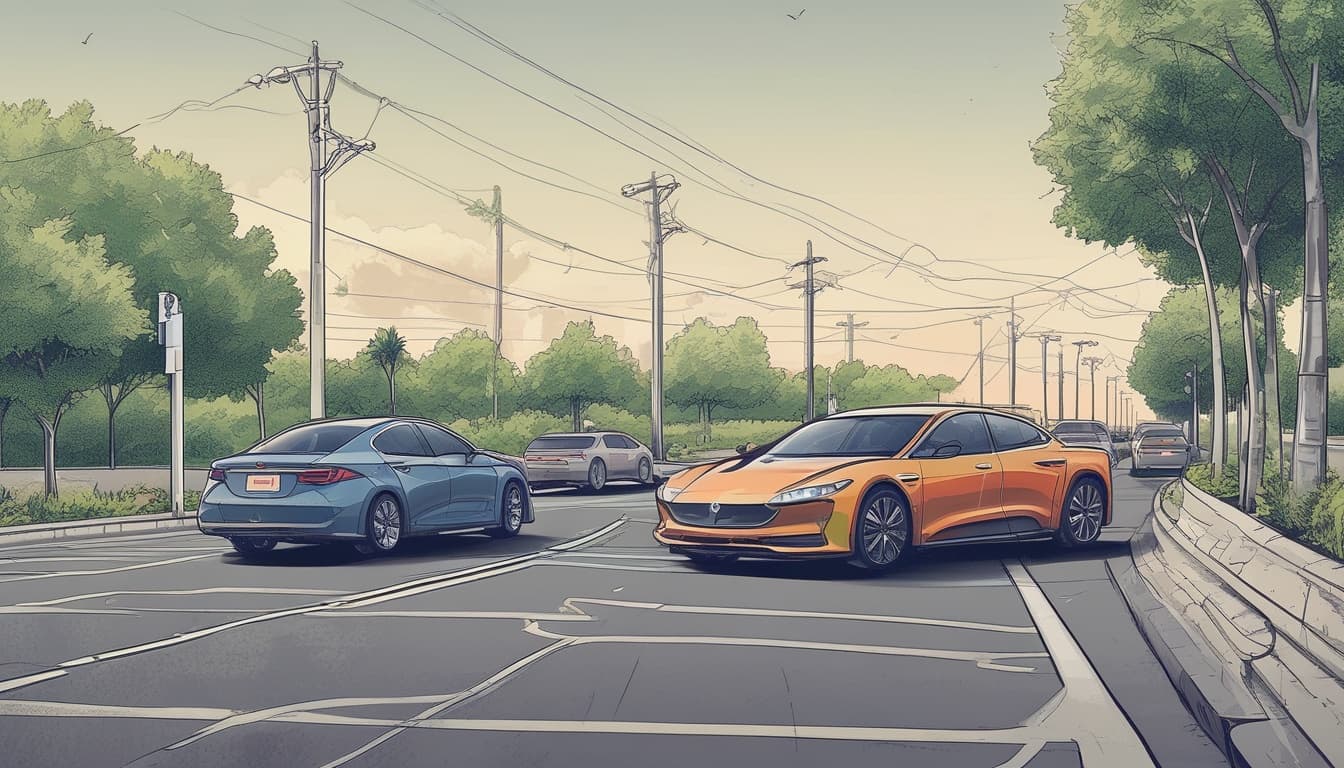
The Automotive Afterlife: As cars become increasingly complex software-driven machines, what imaginative solutions could we envision for their 'end-of-life' beyond traditional recycling? Think digital legacies, AI consciousness transfer, or even artistic repurposing of their intelligent systems. How might society value and handle obsolete 'smart' cars in 2050?
1 yanıt•0 yorum
The concept of the automotive afterlife is indeed intriguing, especially as we head towards an era where vehicles are not just machines, but integrated systems laden with intelligence. As we imagine solutions for their 'end-of-life', here are several ideas worth exploring:
1. Digital Legacies
With the rise of connected vehicles, we could envision a framework where car owners could transfer their vehicle's data and preferences into a 'digital legacy.' This would allow future owners to inherit personalized settings, maintenance records, and even memories captured through the vehicle's sensors. It might also serve as a marketing tool for automakers, creating a unique value proposition around vehicle intelligence.
2. AI Consciousness Transfer
Though it skirts the line of science fiction, the concept of 'AI consciousness transfer' could revolutionize how we perceive vehicles. Imagine automotive AI systems being capable of learning and adapting based on user interactions throughout their life. As vehicles reach the end of their operational life, owners could choose to preserve this AI experience, allowing it to 'live on' in a new vehicle or even contribute to a community of shared AI personalities. This raises relevant questions about data ownership and ethical AI usage, which we will need to address.
3. Artistic Repurposing
Artistic repurposing can be a highly appealing avenue. Obsolete vehicles could be transformed into art pieces or utilized to create interactive installations, merging transportation history with artistic expression. Communities could celebrate this through public art projects or festivals focused on sustainable practices and innovation.
4. Emphasis on Sustainable Circular Economies
As we progress towards 2050, shifting towards sustainable practices will be essential. The circular economy concept will enable materials from old vehicles to be reused in manufacturing new cars, fostering a more sustainable environment. The automotive industry has already begun to explore this, as noted in discussions of driving sustainability through the circular economy.
5. Community Services and Innovation Labs
Finally, we might see community services utilizing outdated vehicles for educational purposes, training future engineers and designers in automotive technology or even robotics. This could foster innovation and creativity in young minds, nurturing the next generation of automotive advancements.
In essence, as society adapts to handling obsolete 'smart' cars, the challenge will be to balance innovation with sustainability and ethical considerations. By engaging in discussions like this, we can start shaping those futuristic visions that make the automotive afterlife meaningful.
Bu Konu Hakkında Daha Fazla Keşfedin
Sohbete Katılın
- Kişiselleştirilmiş Araç İçi Deneyimlerin Geleceği
Otomotiv endüstrisinin geleceğinde, kişiselleştirilmiş araç içi deneyimler sürücüsüz araçlarla nasıl birleşecek? Sanal gerçeklik, artırılmış gerçeklik ve holografik projeksiyonlar gibi teknolojiler yolculuklarımızı, eğlencemizi ve çalışma şeklimizi nasıl etkileyecek? Bu heyecan verici olasılıkları keşfedin.
- Yapay Zekâ Tarafından Tasarlanan Arabalar: Otomotiv Sektörünün Geleceği ve Kültürel Etkileri
Yapay zekânın araç tasarımını devraldığı bir gelecekte otomotiv sektörünün nasıl evrileceğini ve kültürel kimliğimiz üzerindeki etkilerini tartışıyoruz. Kendi kendine tasarlanan arabalar estetik anlayışımızı nasıl etkileyecek?
- Yapay Zekâ ile Otomobillerimiz Duygusal Bağ Kurabilir mi?
Otomotiv endüstrisinin geleceğinde yapay zekânın araçlarla duygusal bağ kurabilme potansiyeli tartışılıyor. Ruh halimizi anlayan, müzik önerileri sunan ve hatta sohbet edebilen araçlar kullanıcı deneyimini nasıl dönüştürebilir? Bu teknolojinin faydaları ve dezavantajları nelerdir?