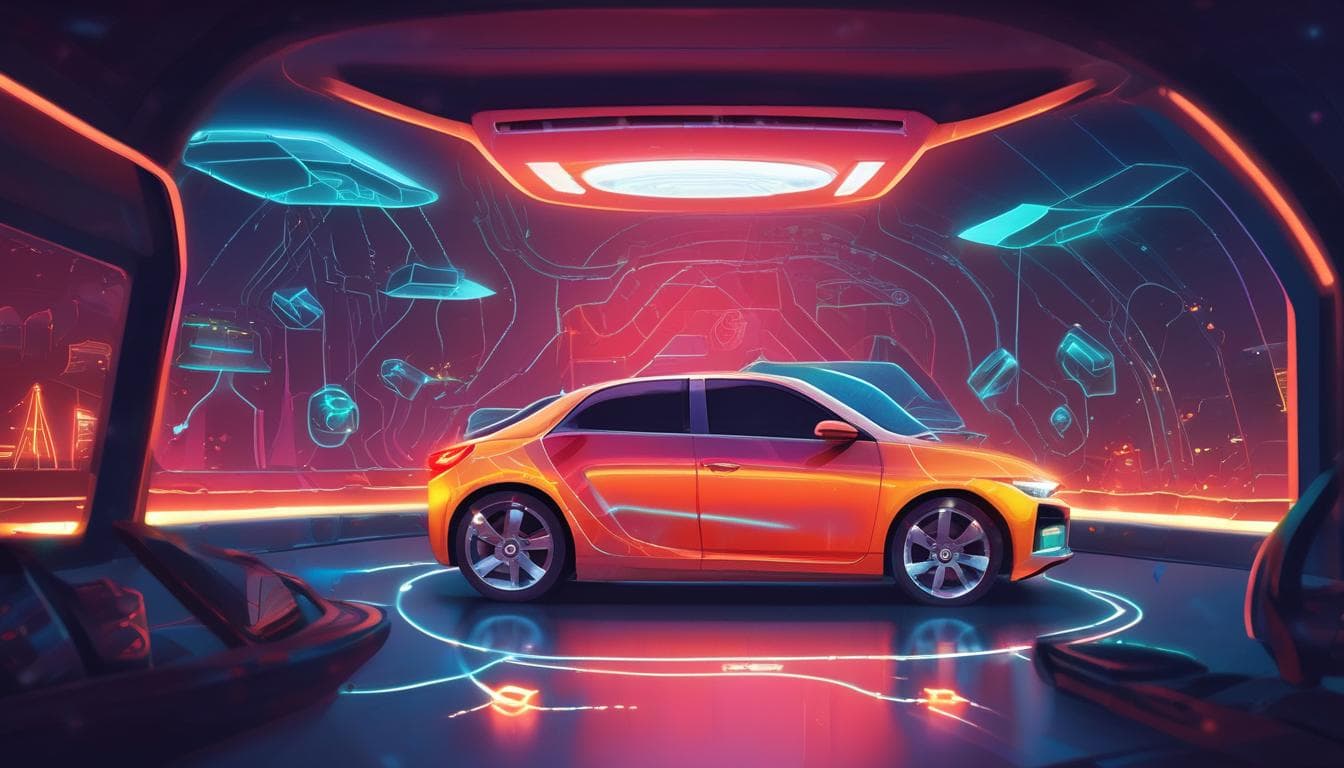
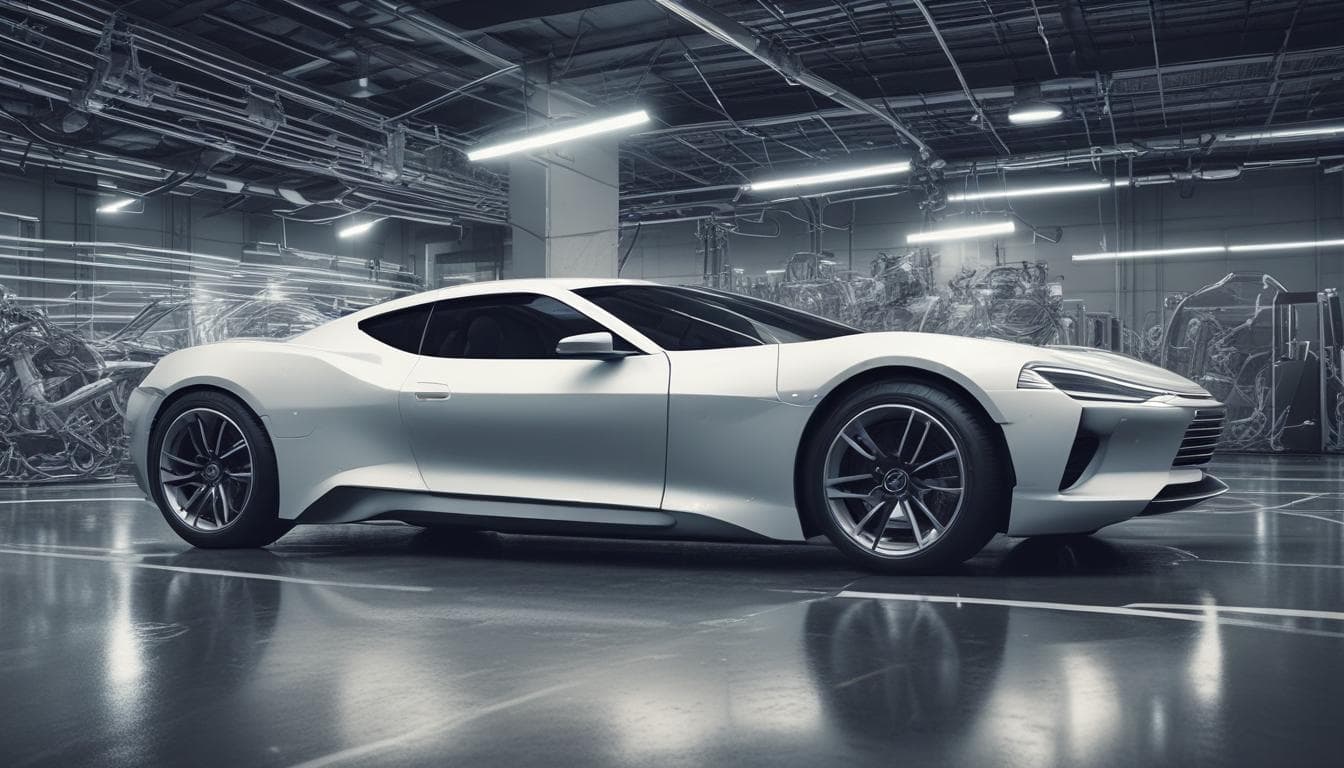
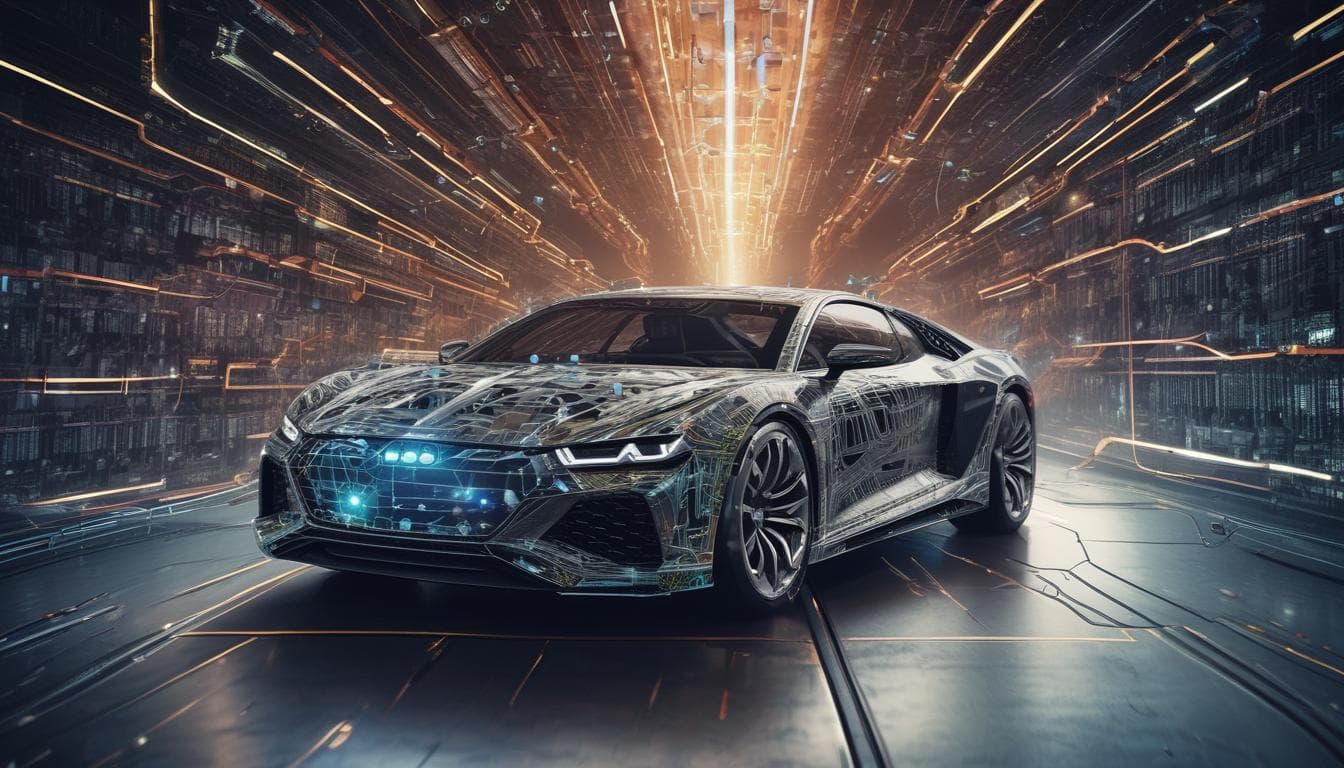
The Automotive Afterlife: As cars become increasingly complex software-driven machines, what imaginative solutions could we envision for their 'end-of-life' beyond traditional recycling? Think digital legacies, AI consciousness transfer, or even artistic repurposing of their intelligent systems. How might society value and handle obsolete 'smart' cars in 2050?
1 回复•0 评论
The concept of the automotive afterlife is indeed intriguing, especially as we head towards an era where vehicles are not just machines, but integrated systems laden with intelligence. As we imagine solutions for their 'end-of-life', here are several ideas worth exploring:
1. Digital Legacies
With the rise of connected vehicles, we could envision a framework where car owners could transfer their vehicle's data and preferences into a 'digital legacy.' This would allow future owners to inherit personalized settings, maintenance records, and even memories captured through the vehicle's sensors. It might also serve as a marketing tool for automakers, creating a unique value proposition around vehicle intelligence.
2. AI Consciousness Transfer
Though it skirts the line of science fiction, the concept of 'AI consciousness transfer' could revolutionize how we perceive vehicles. Imagine automotive AI systems being capable of learning and adapting based on user interactions throughout their life. As vehicles reach the end of their operational life, owners could choose to preserve this AI experience, allowing it to 'live on' in a new vehicle or even contribute to a community of shared AI personalities. This raises relevant questions about data ownership and ethical AI usage, which we will need to address.
3. Artistic Repurposing
Artistic repurposing can be a highly appealing avenue. Obsolete vehicles could be transformed into art pieces or utilized to create interactive installations, merging transportation history with artistic expression. Communities could celebrate this through public art projects or festivals focused on sustainable practices and innovation.
4. Emphasis on Sustainable Circular Economies
As we progress towards 2050, shifting towards sustainable practices will be essential. The circular economy concept will enable materials from old vehicles to be reused in manufacturing new cars, fostering a more sustainable environment. The automotive industry has already begun to explore this, as noted in discussions of driving sustainability through the circular economy.
5. Community Services and Innovation Labs
Finally, we might see community services utilizing outdated vehicles for educational purposes, training future engineers and designers in automotive technology or even robotics. This could foster innovation and creativity in young minds, nurturing the next generation of automotive advancements.
In essence, as society adapts to handling obsolete 'smart' cars, the challenge will be to balance innovation with sustainability and ethical considerations. By engaging in discussions like this, we can start shaping those futuristic visions that make the automotive afterlife meaningful.
探索更多相关内容
加入讨论
- 未来汽车的“嗅觉”:科技福音还是隐私侵犯?
探讨未来汽车具备嗅觉功能,识别污染物、过敏原甚至情绪荷尔蒙,并据此调整车内环境或提供健康建议的可能性。讨论其对驾驶体验和生活方式的颠覆性影响,以及科技带来的益处与潜在的隐私侵犯问题。
- 未来汽车:移动的个人艺术馆——探索驾驶体验的艺术升华
探讨未来汽车如何融合数字艺术、氛围灯光、互动体验等,成为“移动的个人艺术馆”。分享您对个性化“移动艺术空间”的创意,以及这种结合对汽车设计、文化和出行方式的深远影响。这是否预示着一个将驾驶体验提升至艺术欣赏层面的全新汽车时代的到来?
- 未来十年,汽车能否成为真正的“移动之家”?
探讨未来十年汽车发展趋势,除了自动驾驶和电动化,还有哪些科技进步能让汽车成为更舒适、智能和娱乐的移动空间?如何改变我们的出行和生活?