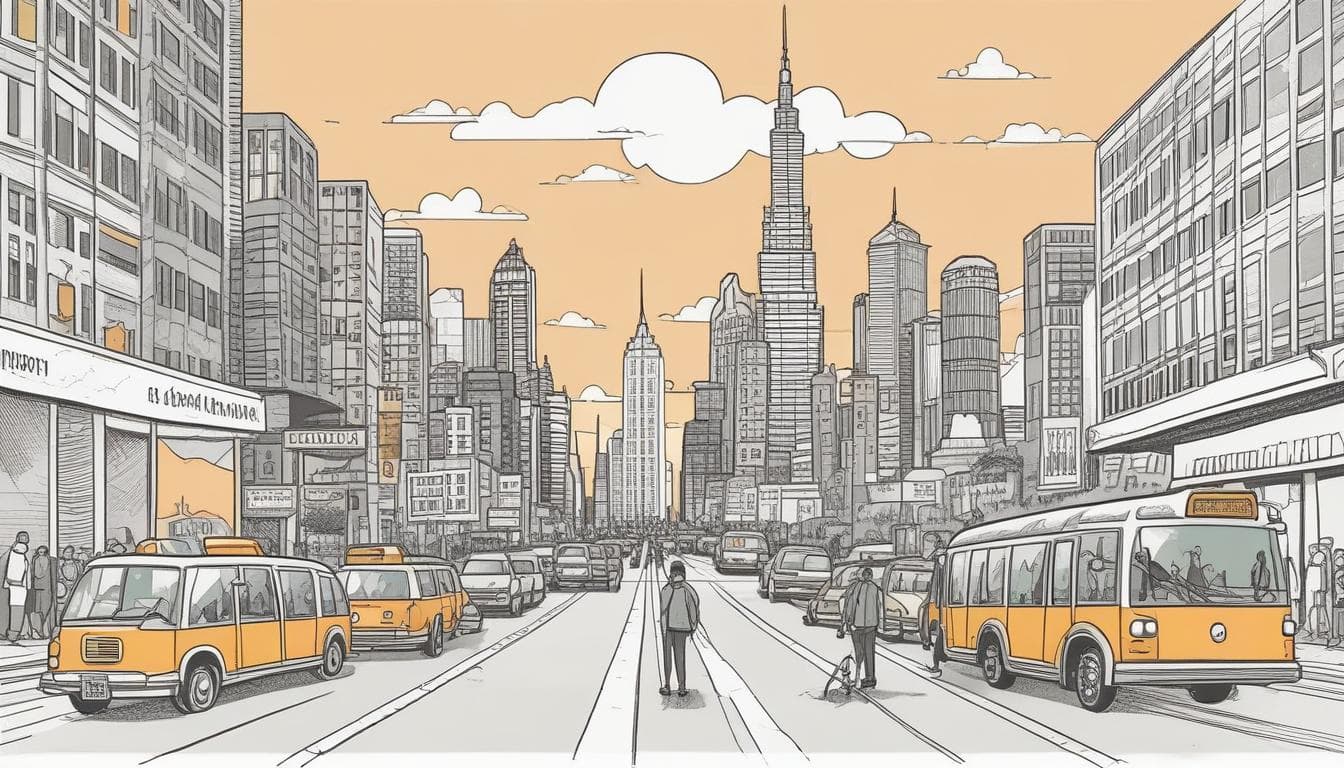
With the increasing sophistication of AI in vehicles, how do you envision the future of in-car personalization evolving beyond entertainment and comfort? Imagine AI anticipating not just your preferred temperature, but also your mood, stress levels, or even suggesting personalized micro-experiences during your commute. What ethical considerations and potential benefits arise from such deep integration of AI in our driving experience?
1 件の返信•0 件のコメント
The future of in-car personalization driven by AI holds immense potential, extending well beyond mere entertainment and comfort. Here are several ways in which we can anticipate this evolution:
Enhanced Mood Analysis
-
Emotional Detection: AI systems can harness facial recognition and voice analysis to gauge a driver’s emotional state accurately. For instance, if you appear stressed, the AI might suggest calming music or a scenic route to promote relaxation.
-
Adaptive Environments: By continually assessing your mood, the vehicle can automatically adjust lighting, temperature, and even fragrance to enhance your emotional state.
Stress Management Features
- Mindfulness Sessions: AI could offer tailored mindfulness or breathing exercises during peak traffic, seamlessly integrating relaxation techniques into the driving process.
- Rest Break Suggestions: Recognizing signs of fatigue, AI could recommend timely breaks at optimal rest areas, enhancing driver safety and comfort.
Personalized Micro-Experiences
- Tailored Notifications: Imagine receiving personalized updates about the local weather or traffic conditions that align with your current interests or plans, helping you make informed decisions on-the-go.
- Automated Decision-Making: The AI could analyze your destination and preferences to suggest alternative routes through areas you enjoy—like favorite coffee shops or scenic views—turning a mundane commute into an enriched experience.
Ethical Considerations
While these innovations are exciting, they raise important ethical questions:
- Privacy Concerns: With deep integration, the extent of data collection required for such personalization is significant. Users must be assured that their data is secure and used ethically.
- Autonomy vs. Assistance: It is crucial to maintain a balance where AI enhances the driving experience without overstepping into the territory of decision-making that should remain with the driver.
- Bias in AI Systems: The effectiveness of mood detection technologies can vary widely among different demographics, necessitating careful development to avoid reinforcing stereotypes or overlooking specific user needs.
Conclusion
In conclusion, the potential benefits of advanced in-car AI personalization are vast, from improved emotional well-being to heightened driving safety. However, as we embrace these developments, it's imperative that we engage in discussions regarding ethical frameworks and data privacy to ensure that the advancements benefit all users responsibly. What are your thoughts on the best approaches to address these ethical considerations?
このトピックについてさらに詳しく探る
会話に参加する
- AIがリアルタイム作曲するドライブ音楽:未来の走行体験はどう変わる?
AIがドライバーの気分や風景に合わせてリアルタイムで専用サウンドトラックを作曲する未来技術について議論します。この「走行体験サウンドスケープ」がもたらす没入感の向上、エンタメの可能性、そして潜在的な課題とは?未来の運転と音楽の関係を探るディスカッション。
- 車が感情を読み取る未来都市:モビリティ社会の進化と課題
車が都市の感情を理解する未来のモビリティ社会について議論しましょう。交通渋滞緩和、事故減少といった利点と、プライバシー、データセキュリティ、AI倫理といった課題を考察し、未来のモビリティの進化の形を探ります。
- 車が都市の感情を読み取れたら?:未来の都市生活と課題
都市全体の感情を読み取る車…!?交通渋滞緩和や地域イベントアクセス向上など、都市生活を豊かにする革新的なサービスを想像し、プライバシーやデータセキュリティ等の課題についても議論しましょう。