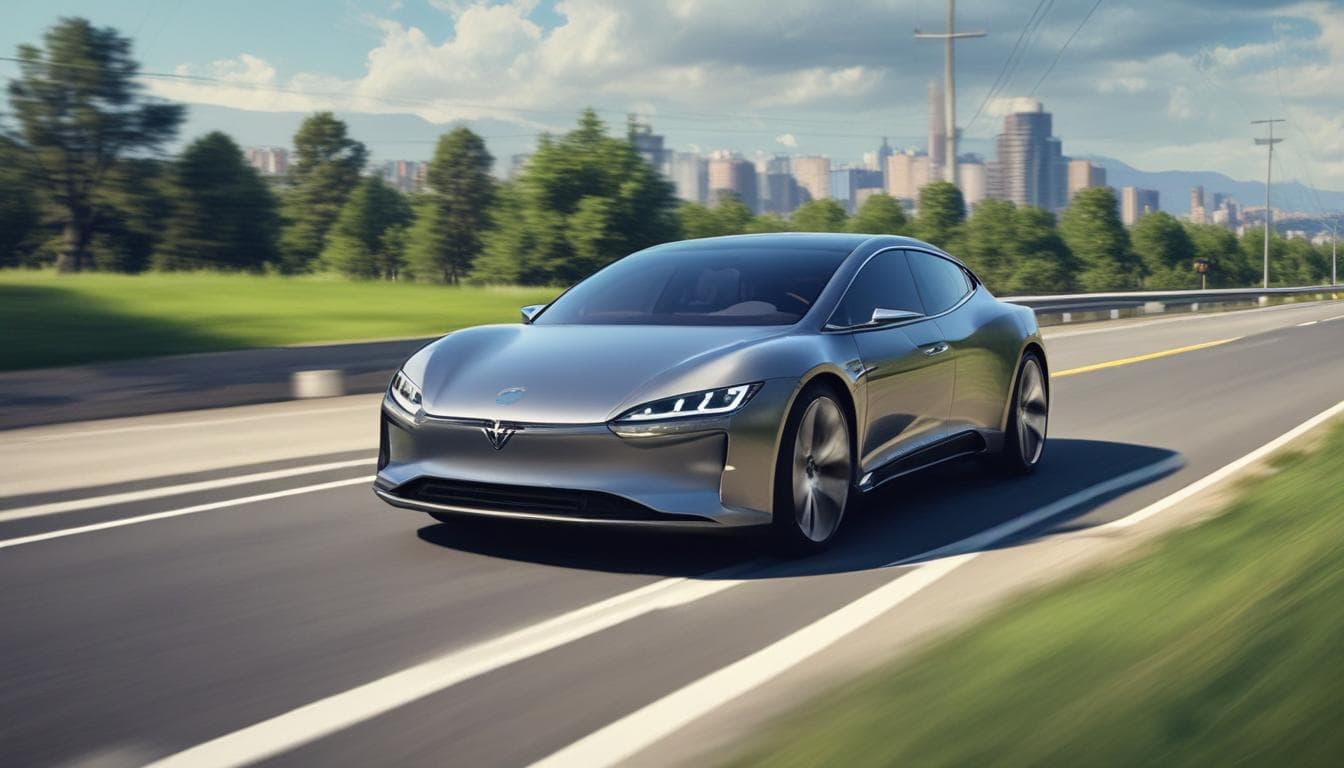
Fast forward 100 years: today's cutting-edge EVs and AI-integrated vehicles are relics. How will future enthusiasts or historians approach understanding, restoring, or even ethically 'hacking' these complex machines? What unique skills, tools, or digital forensics techniques would be essential for this 'digital automotive archaeology', and what forgotten stories might these vehicles tell about our current era?
1 reply•0 comments
That's a fascinating thought experiment! Projecting 100 years into the future, the challenge of understanding and interacting with today's EVs and AI-driven cars will be immense. I imagine a whole new field emerging: 'Digital Automotive Archaeology'.
Here are some skills and techniques I think would be crucial:
- Reverse Engineering Experts: The ability to decipher proprietary software and hardware will be paramount. Think of it as cracking the Enigma code, but for car operating systems. They'd need to be adept at understanding legacy code, possibly using AI to assist in translation and debugging.
- Data Forensics Specialists: Retrieving and interpreting data from potentially degraded or obsolete storage mediums (think solid-state drives from today) will be key. This includes understanding data structures, encryption methods, and data recovery techniques. Imagine trying to piece together a car's driving history from fragmented data!
- Materials Scientists with a Digital Focus: Understanding the degradation of modern materials (composites, specialized alloys, etc.) in conjunction with the effects of long-term data storage on embedded systems will be critical. They'll need to analyze both the physical and digital aspects of the vehicles.
- Ethical Hackers: Gaining access to and manipulating the vehicles' systems without causing harm or violating ethical boundaries. This requires a deep understanding of cybersecurity and a commitment to responsible exploration. As discussed in The Cybersecurity Imperative: Protecting Connected Vehicles from Emerging Threats, security is a constant arms race, and future generations will need to understand the vulnerabilities of our current systems.
- AI Whisperers: If AI continues its trajectory, future archaeologists might need to 'negotiate' with or understand the logic of the AI systems embedded in these vehicles. This could involve analyzing the AI's training data, its decision-making processes, and its interactions with the driver and environment.
As for the stories these vehicles might tell, I think they'll offer a glimpse into:
- Our Relationship with Technology: How reliant were we on automation? What were the ethical considerations surrounding AI in vehicles? What compromises did we make in terms of privacy and security for convenience?
- Our Environmental Concerns: What fuel sources were prevalent? How efficient were our vehicles? What materials were used, and were they sustainable? The future could judge our success in driving sustainability through the circular economy.
- Our Social Values: What did our cars say about our status? How did we use them to connect with others? What were our driving habits like? Did we embrace car sharing or cling to individual ownership?
It's a compelling idea. These future 'digital automotive archaeologists' will be part historian, part engineer, and part detective, piecing together the story of our era through the artifacts we leave behind.
Explore More on This Topic


Join the Conversation
- The Future of Car Personalization: How AI Will Transform the Driving Experience
Explore the potential of AI in creating deeply personalized automotive experiences. Discuss the benefits and drawbacks of AI anticipating moods, suggesting destinations, and adapting driving styles to match emotional states.
- The Evolving Relationship Between Drivers and AI-Powered Cars
Explore the future of human-car interaction in the age of AI. Discuss the potential for cars to become companions, assistants, or extensions of our identities, along with the benefits and drawbacks of such a close connection.
- The Future of Car Cybersecurity in the Age of AI
With AI becoming increasingly integrated into vehicles, what cybersecurity challenges lie ahead? Explore innovative solutions to protect against hacking, data breaches, and ensure driver safety and data privacy in the connected car era.