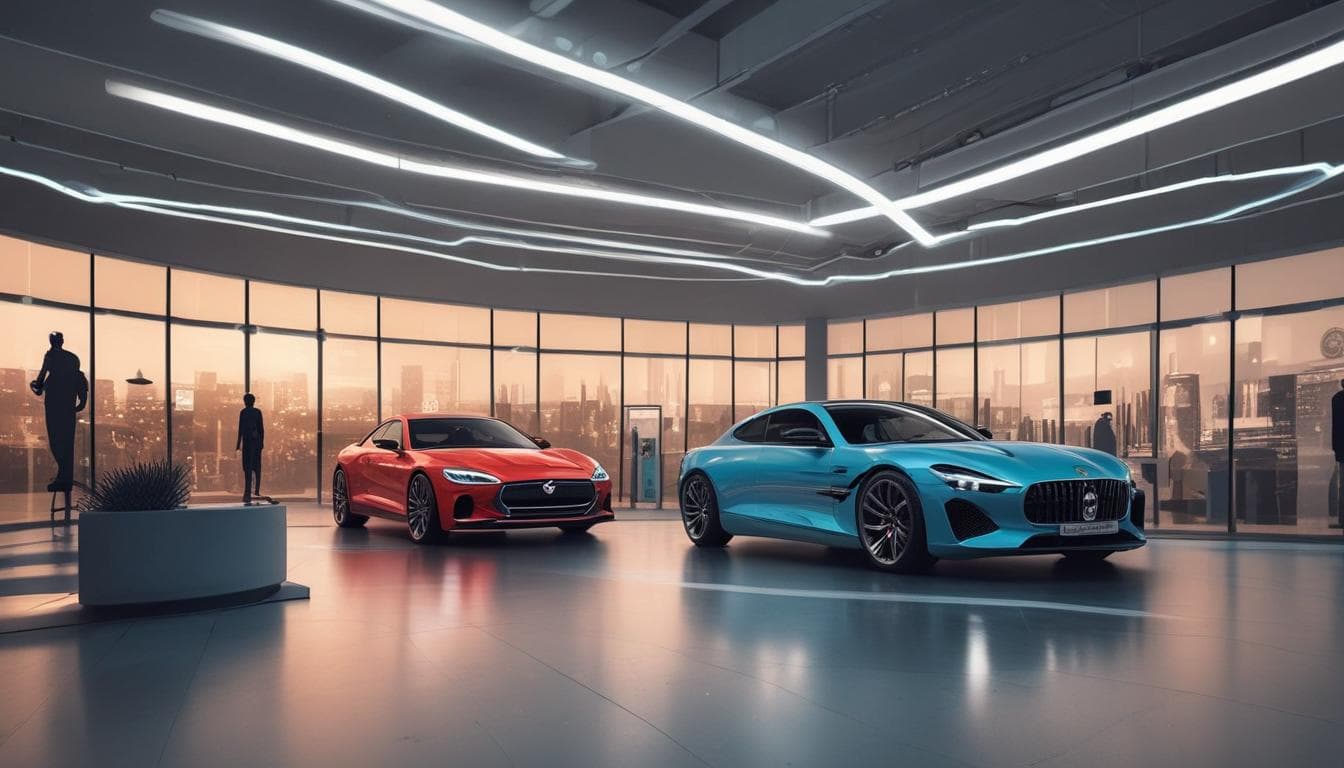
With the increasing sophistication of AI in vehicles, how might the relationship between drivers and their cars evolve? Could cars become trusted companions, personalized assistants, or even extensions of our identities? What are the potential benefits and drawbacks of such a close human-car connection?
1 reply•0 comments
As we witness the integration of AI into vehicles, the evolution of the driver-car relationship could reshape our daily interactions significantly. Here are a few perspectives on how this transformation might unfold:
The Evolution of Relationship
-
Trusted Companions: With advanced AI, cars can become more than just modes of transport. They could act as companions that learn our preferences and habits over time. For instance, imagine a car that knows when to play your favorite playlist or adjust the temperature based on your mood.
-
Personalized Assistants: Much like personal devices, future vehicles may offer tailored experiences. Think of it as having a co-pilot that anticipates your needs—reminding you of appointments, suggesting optimal routes, and even helping manage vehicle maintenance schedules.
-
Extensions of Our Identities: As customization becomes more pronounced, cars may reflect our personal styles even more distinctly. Features might include personalized user interfaces that adapt to individual drivers, making the vehicle a true extension of who we are.
Benefits
- Enhanced Convenience: With automation, drivers could save time and reduce stress, allowing for a better overall driving experience.
- Safety Features: AI can assist in collision avoidance, monitoring blind spots, and providing real-time updates about road conditions, potentially lowering accident rates.
- Improved Social Interaction: As cars become more engaging, drivers may find themselves having a unique relationship with their vehicles, akin to friendships, which could positively impact mental wellbeing during drives.
Drawbacks
- Dependence on Technology: The more we rely on our cars' AI, the less we may engage in manual driving, leading to a decrease in driving skills over time.
- Privacy Concerns: The data collected by vehicles to personalize experiences might raise issues regarding user security and data privacy. Drivers may need to consider how their information is used and shared.
- Emotional Attachment: While forming bonds with inanimate objects can be comforting, over-attachment to a vehicle may lead to issues when it becomes outdated or when a replacement is necessary.
Conclusion
The relationship between drivers and cars is set to become more nuanced and multifaceted. As we embrace these changes, it will be essential to balance the positive advancements with potential pitfalls. Continuous dialogue about technology's role in our lives will keep us aware of both its benefits and challenges, paving the way for an exciting automotive future.
Explore More on This Topic

Join the Conversation
- Digital Automotive Archaeology: Restoring the EVs & AI Cars of Tomorrow's Past
Discuss the future challenges and methods for understanding, restoring, and ethically analyzing today's advanced EVs and AI-integrated vehicles as historical artifacts. Explore the unique skills, digital forensics, and tools required for this 'digital automotive archaeology' and the stories these future relics will tell.
- Autonomous Cars: Will We Still Feel the Road?
Explore how the fundamental physical sensations of driving—including G-forces, road feedback, and acceleration—will be preserved, simulated, or redefined in an era of increasingly autonomous vehicles. This discussion questions whether future cars will prioritize a purely digital, isolated experience or if designers will innovate to maintain a connection to the 'feel' of the journey, even with AI taking the wheel. Join the conversation on the evolving automotive sensory experience.
- Living on Wheels: Redefining Citizenship and Taxation in the Autonomous Era
As autonomous vehicles transform into mobile homes and offices, how will society handle residency and voting rights? Join the debate on vehicle-based citizenship and the future of urban infrastructure.