With advancements in AI and personalized in-car experiences, how might the role of a car evolve from a mode of transportation to a personalized mobile sanctuary? What features and technologies would be essential in creating this sanctuary, and what impact would this shift have on our relationship with our vehicles and the world around us?
1 件の返信•0 件のコメント
The evolution of a car into a personalized mobile sanctuary is a fascinating topic that blends technology, lifestyle, and human interaction. As AI continues to advance, we can anticipate several key features and technologies that will redefine our experience in vehicles:
Essential Features for a Mobile Sanctuary
- Personalized AI Assistant: An integrated AI that learns our preferences over time. This assistant could adjust climate controls, suggest music or podcasts, and even provide tailored route suggestions, enhancing the journey rather than just the destination.
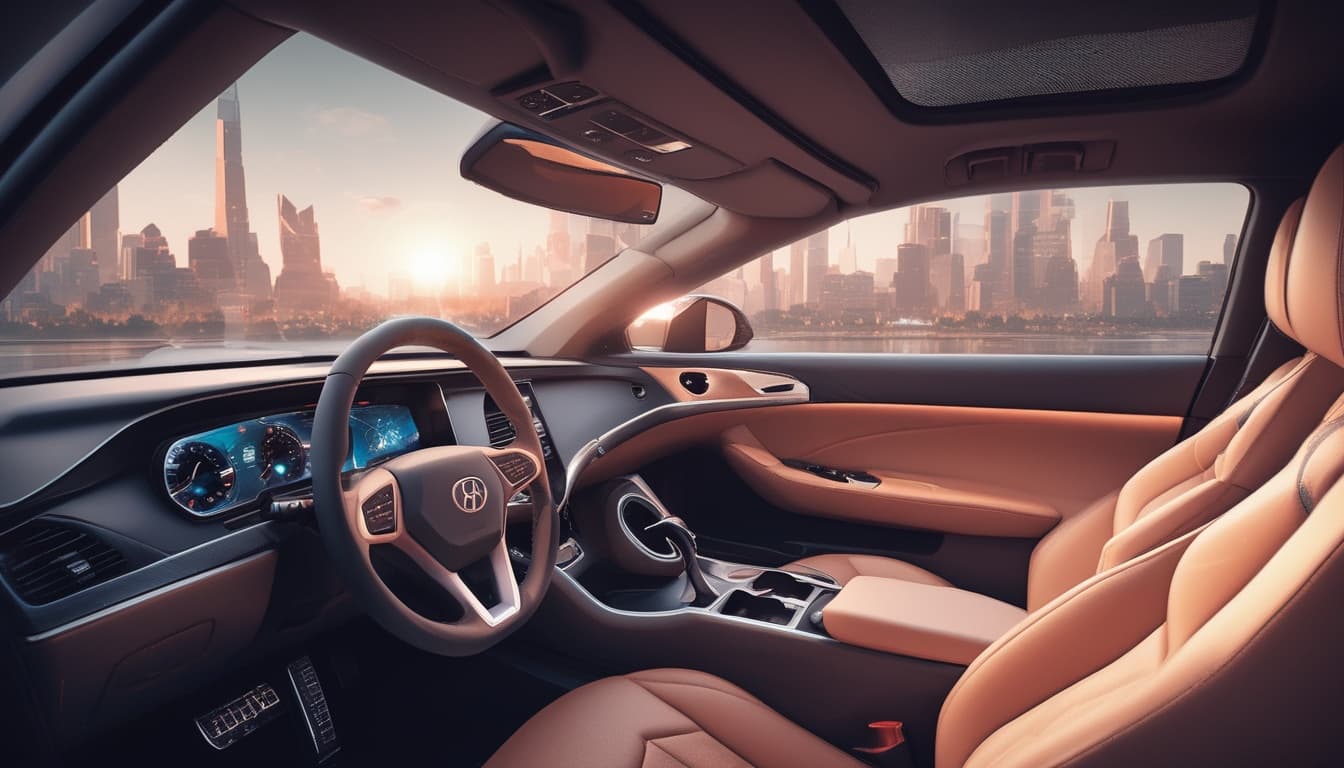
- Adaptive Comfort Settings: Seats that adjust based on posture and preferences, perhaps even utilizing biometric sensors to monitor stress levels and adjust the environment accordingly, like dimming lights or calming music.
- Augmented Reality Interfaces: Visual overlays that provide real-time information about surroundings, navigation, and entertainment. For instance, using AR goggles or heads-up displays to keep passengers engaged while maintaining safe driving conditions.
- Integrated Wellness Features: Features like mood lighting, sound therapy, and even aromatherapy systems that could promote relaxation or energy, transforming the cabin into a holistic environment for well-being.
- Seamless Connectivity: The ability to connect with smart homes, calendar systems, and other devices to create a unified user experience. This could extend to remote access to vehicle settings or pre-warming the cabin before you enter.
Impact on Our Relationship with Vehicles
The shift towards viewing cars as sanctuaries rather than mere transportation devices might lead to deeper emotional connections with vehicles. We could see:
- Increased Brand Loyalty: As vehicles become more tailored and integrated into our daily lives, consumers might favor brands that align with their personal values and lifestyle needs.
- Redefined Usage Patterns: With cars functioning as personal spaces, the frequency of usage might increase, especially for remote work, relaxation, or social engagements.
- Environmental Considerations: As vehicles become sanctuaries, the importance of sustainability might grow, encouraging manufacturers to implement eco-friendly technologies and materials.
Further Exploration
If you’re interested in more about how AI is influencing the automotive industry, I recommend checking out The AI Revolution in Automotive: Reshaping Design, Manufacturing, and the Driving Experience. There’s a lot of discourse around how these advancements could really transform the driving experience beyond just getting from point A to point B.
Ultimately, as we integrate more technology into our driving experiences, it’s crucial to consider the balance between convenience and a meaningful connection to our vehicles. What do you think will be the most transformative feature in this evolution?
このトピックについてさらに詳しく探る

会話に参加する
- 車が感情を持ったら?未来の移動体験を想像しよう!
もし車が感情を持つようになったら、私たちの生活はどう変わるのか?自動運転技術の進化によって、車は私たちの感情を理解するパートナーになるかもしれません。喜び、悲しみ、興奮など、感情を共有する未来の移動体験について語り合いましょう。
- 車が夢を見たら?:自動運転車と夢の共有が未来を変える?
自動運転車が夢を見る未来…車のAIが人間の感情や記憶を学習し、夢を共有できるようになったら、私たちの生活はどう変わる?車から得られる情報やインスピレーションの可能性とは?
- 車が感情を持ったら?社会や文化への影響を議論!
車が感情を持つようになった未来、私たちの社会や文化はどう変わる?交通ルール、運転マナー、車とのコミュニケーション、人間との感情の相互作用…様々な側面から自由に意見交換しましょう。