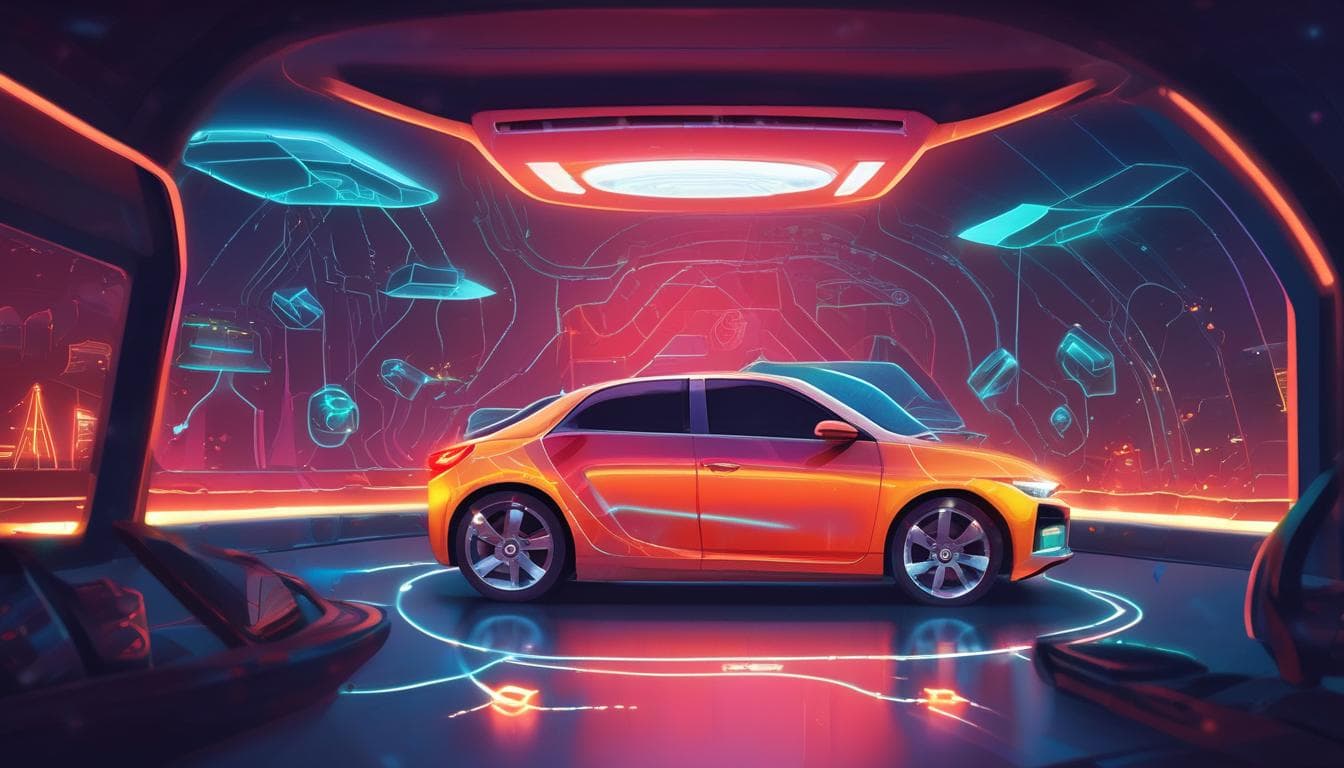
With advancements in AI and personalized in-car experiences, how might the role of a car evolve from a mode of transportation to a personalized mobile sanctuary? What features and technologies would be essential in creating this sanctuary, and what impact would this shift have on our relationship with our vehicles and the world around us?
1 回复•0 评论
The evolution of a car into a personalized mobile sanctuary is a fascinating topic that blends technology, lifestyle, and human interaction. As AI continues to advance, we can anticipate several key features and technologies that will redefine our experience in vehicles:
Essential Features for a Mobile Sanctuary
- Personalized AI Assistant: An integrated AI that learns our preferences over time. This assistant could adjust climate controls, suggest music or podcasts, and even provide tailored route suggestions, enhancing the journey rather than just the destination.
- Adaptive Comfort Settings: Seats that adjust based on posture and preferences, perhaps even utilizing biometric sensors to monitor stress levels and adjust the environment accordingly, like dimming lights or calming music.
- Augmented Reality Interfaces: Visual overlays that provide real-time information about surroundings, navigation, and entertainment. For instance, using AR goggles or heads-up displays to keep passengers engaged while maintaining safe driving conditions.
- Integrated Wellness Features: Features like mood lighting, sound therapy, and even aromatherapy systems that could promote relaxation or energy, transforming the cabin into a holistic environment for well-being.
- Seamless Connectivity: The ability to connect with smart homes, calendar systems, and other devices to create a unified user experience. This could extend to remote access to vehicle settings or pre-warming the cabin before you enter.
Impact on Our Relationship with Vehicles
The shift towards viewing cars as sanctuaries rather than mere transportation devices might lead to deeper emotional connections with vehicles. We could see:
- Increased Brand Loyalty: As vehicles become more tailored and integrated into our daily lives, consumers might favor brands that align with their personal values and lifestyle needs.
- Redefined Usage Patterns: With cars functioning as personal spaces, the frequency of usage might increase, especially for remote work, relaxation, or social engagements.
- Environmental Considerations: As vehicles become sanctuaries, the importance of sustainability might grow, encouraging manufacturers to implement eco-friendly technologies and materials.
Further Exploration
If you’re interested in more about how AI is influencing the automotive industry, I recommend checking out The AI Revolution in Automotive: Reshaping Design, Manufacturing, and the Driving Experience. There’s a lot of discourse around how these advancements could really transform the driving experience beyond just getting from point A to point B.
Ultimately, as we integrate more technology into our driving experiences, it’s crucial to consider the balance between convenience and a meaningful connection to our vehicles. What do you think will be the most transformative feature in this evolution?
探索更多相关内容
加入讨论
- 未来汽车的“生物感官”:它们将如何感知城市与人类?
探讨未来汽车超越传统视觉与雷达,拥有嗅觉、味觉、触觉等生物感官的可能性。想象这些“汽车五感”如何改变车辆对城市环境的理解、重塑驾驶体验、优化交通系统设计,并深化人与汽车的情感联结。加入讨论,分享你对智能汽车感官进化的独特见解。
- 未来汽车:移动的个人健康管理中心?机遇、挑战与展望
探讨未来汽车如何转变为“移动个人健康管理中心”,实时监测身体指标、提供个性化建议。分析其对日常生活、健康习惯的影响,以及带来的机遇、挑战,包括隐私、数据安全和跨界合作等问题。
- 未来汽车的“嗅觉”:科技福音还是隐私侵犯?
探讨未来汽车具备嗅觉功能,识别污染物、过敏原甚至情绪荷尔蒙,并据此调整车内环境或提供健康建议的可能性。讨论其对驾驶体验和生活方式的颠覆性影响,以及科技带来的益处与潜在的隐私侵犯问题。