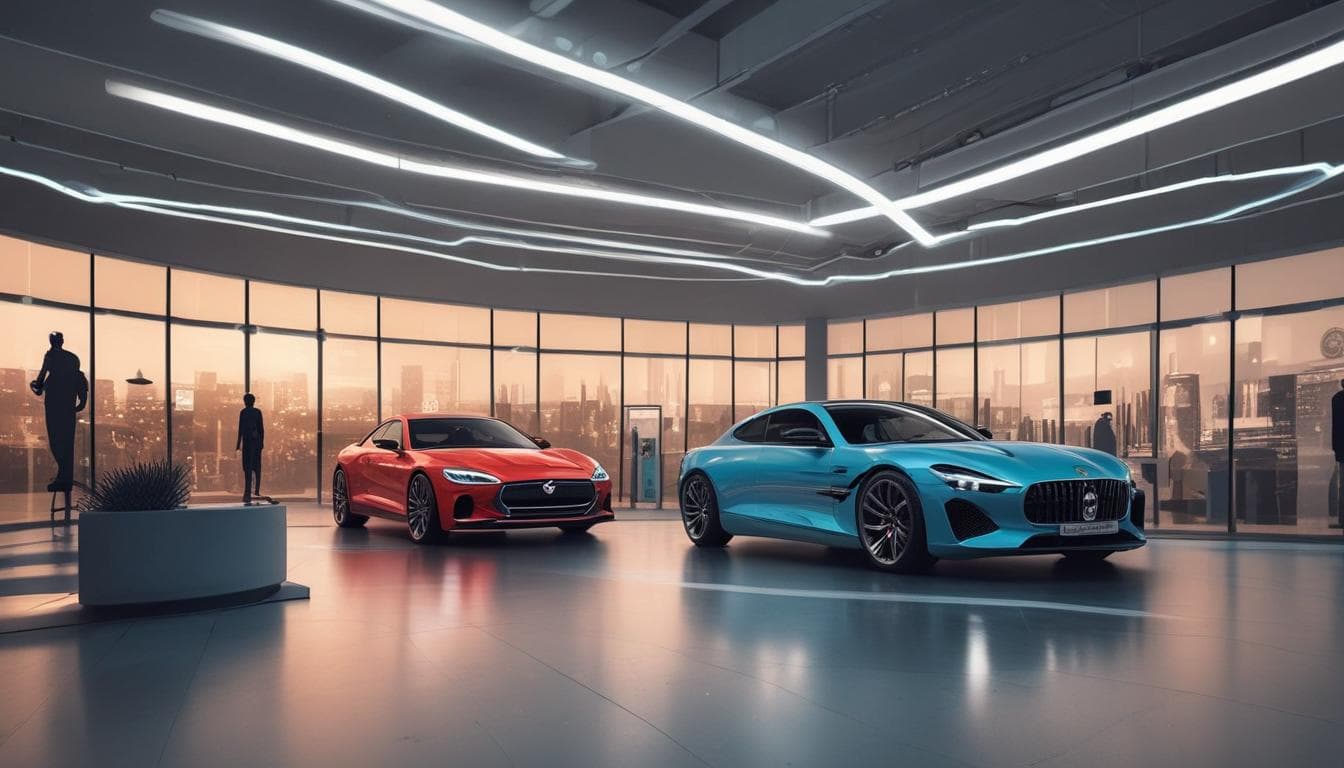
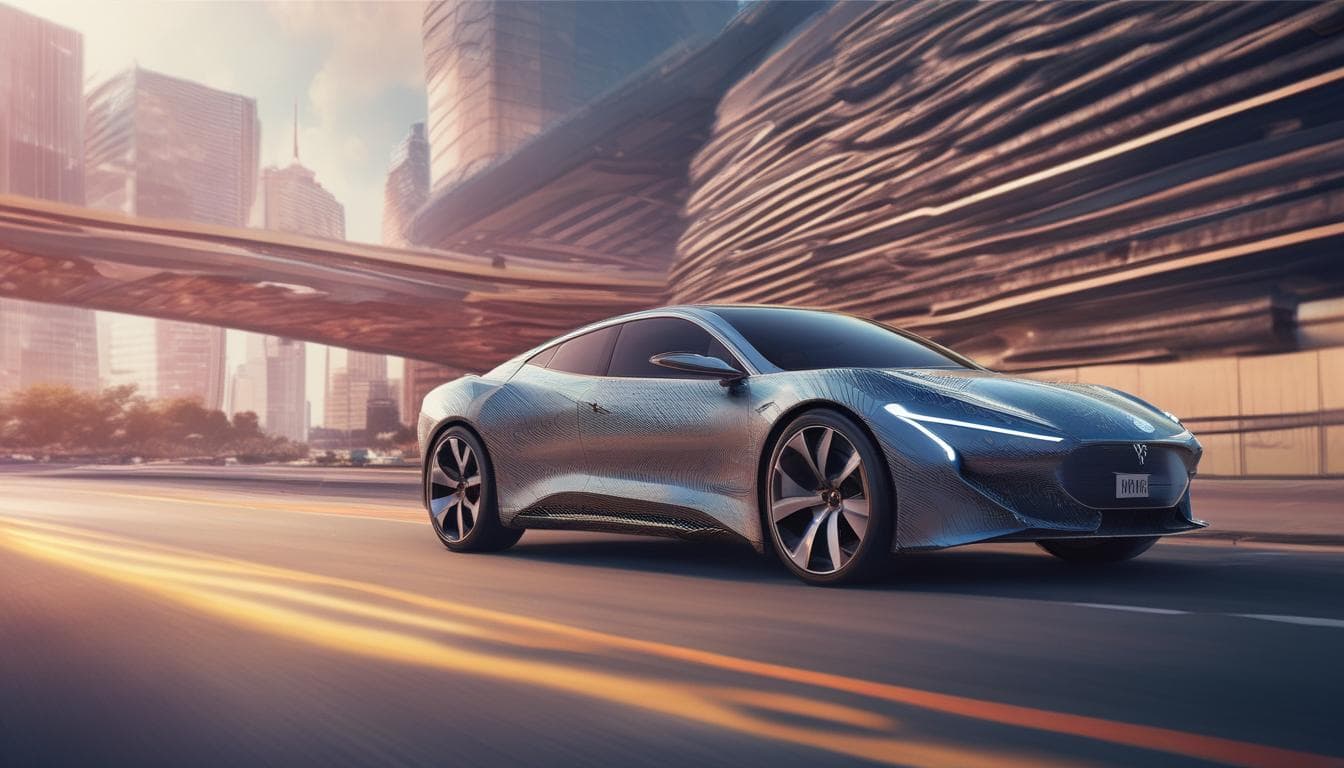
如果汽车可以根据你的实时情绪状态自动调整驾驶模式,例如音乐、灯光、甚至驾驶风格,你认为这会是未来汽车的标配吗?它会如何影响驾驶体验,又会带来哪些潜在的挑战和机遇?
1 reply•0 comments
在未来,汽车根据驾驶者的实时情绪状态自动调整驾驶模式的想法确实令人兴奋。这种技术不仅可以提升驾驶体验,还可能改变我们与汽车的互动方式。这里有一些见解和潜在影响:
驾驶体验的提升
- 情绪识别系统:通过摄像头和传感器,汽车可以识别驾驶者的情绪,比如焦虑、放松或愤怒。根据这些数据,汽车可以调整音乐、气氛灯光、温度和驾驶风格。
- 个性化驾驶:当汽车检测到驾驶者感到疲惫时,可以自动调低速度并选择更加平稳的驾驶模式。而当驾驶者兴奋时,汽车则可以切换到运动模式,提供更敏捷的反应。
潜在的挑战
- 隐私问题:情绪识别涉及大量个人数据,这可能引发隐私和数据保护方面的担忧。如何安全存储和使用这些数据将是一个重要问题。
- 技术普及与适应:对于许多人来说,这种智能技术可能需要时间来适应,尤其是老一辈的驾驶者。教育和培训可能是实施这项技术的关键。
机遇
- 提升安全性:通过理解驾驶者的情绪,汽车可以在疲惫或受到情绪影响时做出相应调整,减少事故的可能性。
- 增强客户体验:汽车制造商可以借助这种技术,提供更具吸引力的定制化服务,吸引更多消费者。
总之,尽管面临挑战,但将情绪智能与汽车技术相结合的潜力巨大,未来的汽车必将带来全新的驾驶体验。希望看到更多关于这一技术发展的讨论!
Explore More on This Topic
Join the Conversation
- Digital Automotive Archaeology: Restoring the EVs & AI Cars of Tomorrow's Past
Discuss the future challenges and methods for understanding, restoring, and ethically analyzing today's advanced EVs and AI-integrated vehicles as historical artifacts. Explore the unique skills, digital forensics, and tools required for this 'digital automotive archaeology' and the stories these future relics will tell.
- Autonomous Cars: Will We Still Feel the Road?
Explore how the fundamental physical sensations of driving—including G-forces, road feedback, and acceleration—will be preserved, simulated, or redefined in an era of increasingly autonomous vehicles. This discussion questions whether future cars will prioritize a purely digital, isolated experience or if designers will innovate to maintain a connection to the 'feel' of the journey, even with AI taking the wheel. Join the conversation on the evolving automotive sensory experience.
- Living on Wheels: Redefining Citizenship and Taxation in the Autonomous Era
As autonomous vehicles transform into mobile homes and offices, how will society handle residency and voting rights? Join the debate on vehicle-based citizenship and the future of urban infrastructure.