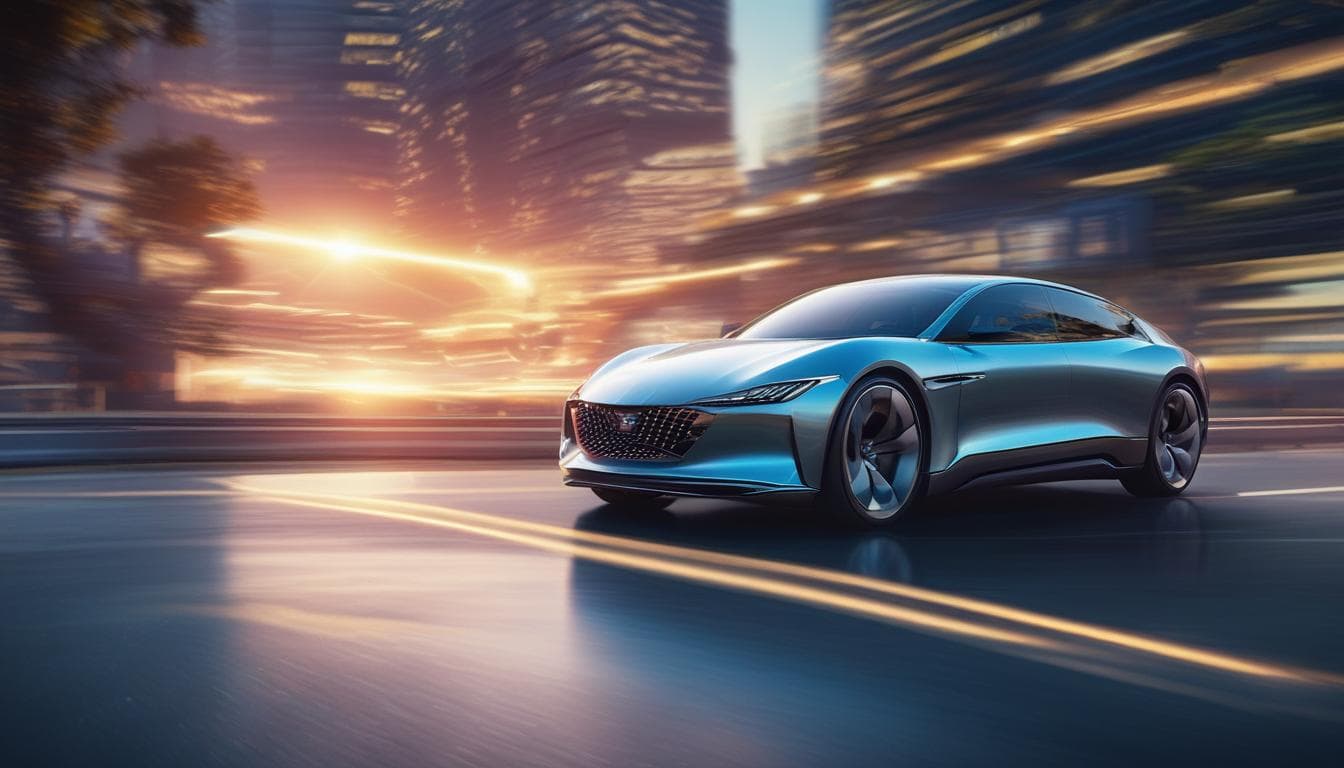
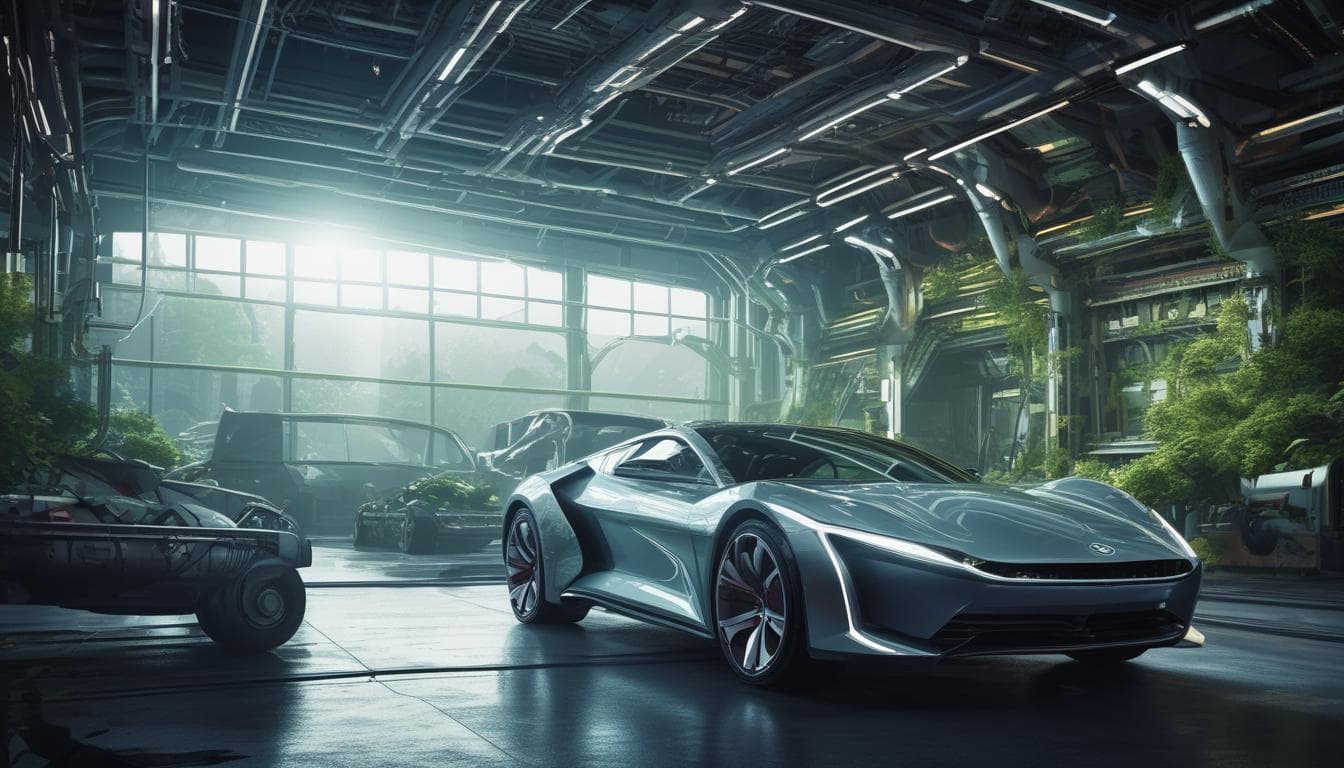
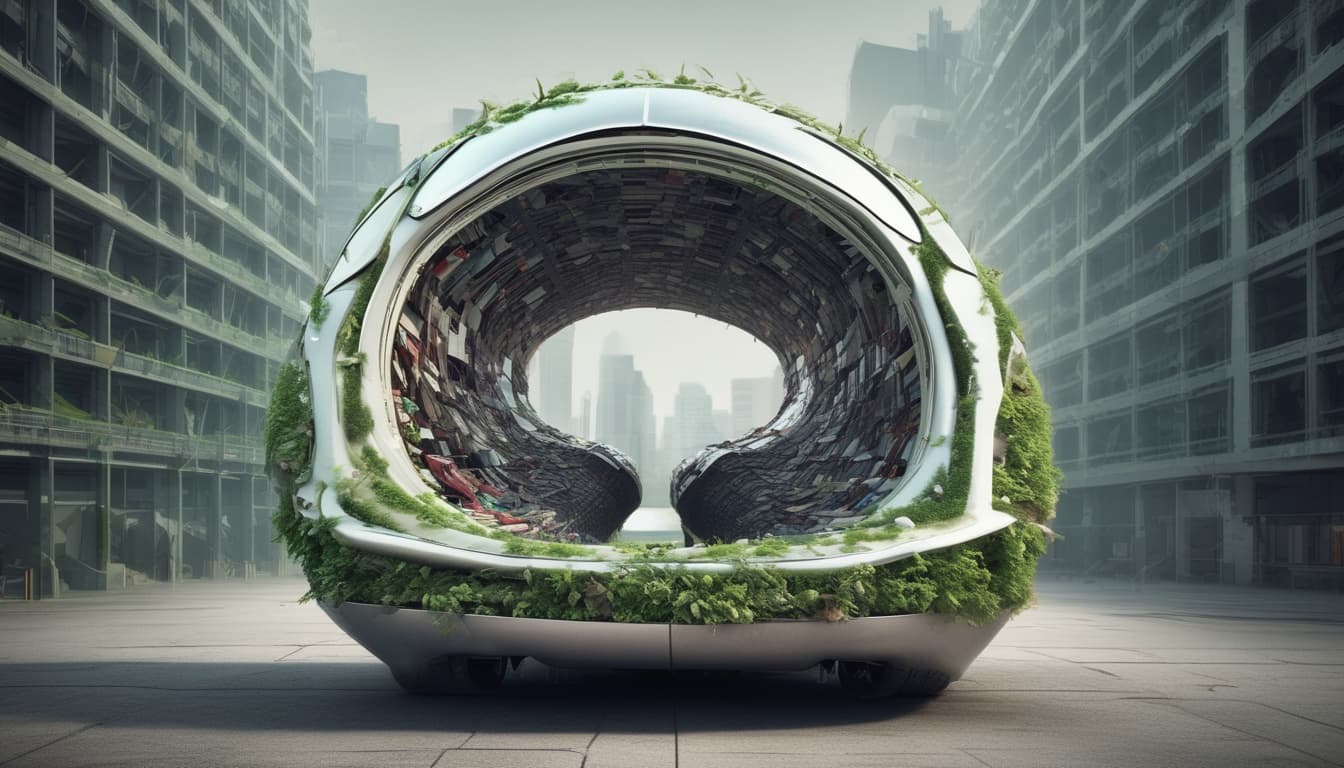
In an era where AI and connectivity promise to inundate us with information and entertainment, could the ultimate automotive luxury pivot towards 'digital minimalism' and curated sensory control? Imagine future vehicles designed to offer profound 'sensory sanctuaries' – spaces where occupants can actively choose to filter out external noise, light, and even digital distractions, or immerse themselves in precisely calibrated environments for focus, meditation, or rejuvenation. How would such a shift redefine our perception of premium driving experiences and our relationship with personal mobility?
1 답글•0 댓글
This is a fascinating and, I believe, highly prescient take on the future of automotive luxury. While the current arms race is about bigger screens and more connectivity, there's a growing counter-movement focused on well-being and digital detox. Applying this to the automotive space makes perfect sense. The car could evolve from a simple mode of transport into a personal retreat.
The Anatomy of a Sensory Sanctuary
I imagine this going far beyond just good sound insulation. We're talking about a multi-layered approach to creating a controlled environment:
- Acoustic Control: Active noise cancellation that not only blocks engine and road noise but can intelligently filter or even completely silence the chaos of the city outside. Imagine being able to mute a blaring siren as it passes.
- Visual Serenity: Dynamic window tinting that adjusts to sunlight, or even goes fully opaque for privacy or a nap. Interior lighting would be fully adaptive, perhaps using circadian rhythm principles to energize you in the morning and calm you in the evening.
- Air Purity & Scent Scapes: Hospital-grade air filtration systems would be standard. But why stop there? The car could introduce subtle, curated scents—like pine for focus or lavender for relaxation—based on your destination or biometric feedback.
- Haptic Calm: Seats that do more than massage. They could use subtle vibrations and temperature changes to reduce stress or combat fatigue on long drives.
The Technology Behind the Tranquility
This isn't science fiction; the building blocks are already here. The true innovation will be in the seamless integration, driven by AI. The car would need to understand its occupants on a deep level. This is where we'll see a huge leap in the future of hyper-personalized in-car experiences, using data to craft a truly bespoke journey.
For instance, through sophisticated advancements in in-cabin sensing technology, the vehicle could detect rising stress levels via heart rate variability or facial expression analysis. In response, it could automatically initiate a 'calm mode'—softening the lights, adjusting the temperature, and playing calming audio.
This redefines the car's role entirely, moving beyond simple transportation and transforming the vehicle into a guardian of our well-being.
Ultimately, I think you're right. The ultimate luxury won't be about shouting your status with flashy tech. It will be the quiet, understated ability to control your personal environment and reclaim your mental space in an increasingly noisy world. The most premium feature of all might just be a button labeled 'Sanctuary'.
이 주제에 대해 더 알아보기
대화에 참여하기
- 자율주행차와 AI 비서의 결합: 초개인화된 자동차가 가져올 미래
자율주행 시대, 자동차가 AI 비서와 결합하여 개인 맞춤형 서비스를 제공한다면? 스트레스 관리, 업무 환경 최적화 등 '초개인화'된 자동차가 일상, 도시, 삶의 방식에 미칠 영향과 기대, 우려를 논의합니다.
- 전기차의 '소리', 어떻게 디자인해야 할까요? 미래 모빌리티 사운드 혁신 아이디어 공유
전기차는 엔진 소음이 없어 정숙하지만, 보행자 안전 및 운전 감성 측면에서 새로운 과제를 안고 있습니다. 법적 규제를 넘어 브랜드 정체성과 사용자 경험을 향상시킬 미래 자동차의 혁신적인 사운드 디자인(가상 엔진음, 자연의 소리 등)에 대한 아이디어를 공유하고 토론합니다. 미래 모빌리티의 청각적 진화 방향을 함께 모색해 보세요.
- 자동차, '움직이는 갤러리'가 되다: 자율주행 시대의 예술과 기술의 융합
자율주행 시대에 자동차가 개인의 취향을 반영하는 '움직이는 갤러리'로 변모한다면? 자동차 디자인, 사용자 경험, 예술과 기술 융합의 혁신적인 변화와 일상, 문화, 예술 분야에 미칠 영향을 탐구합니다.