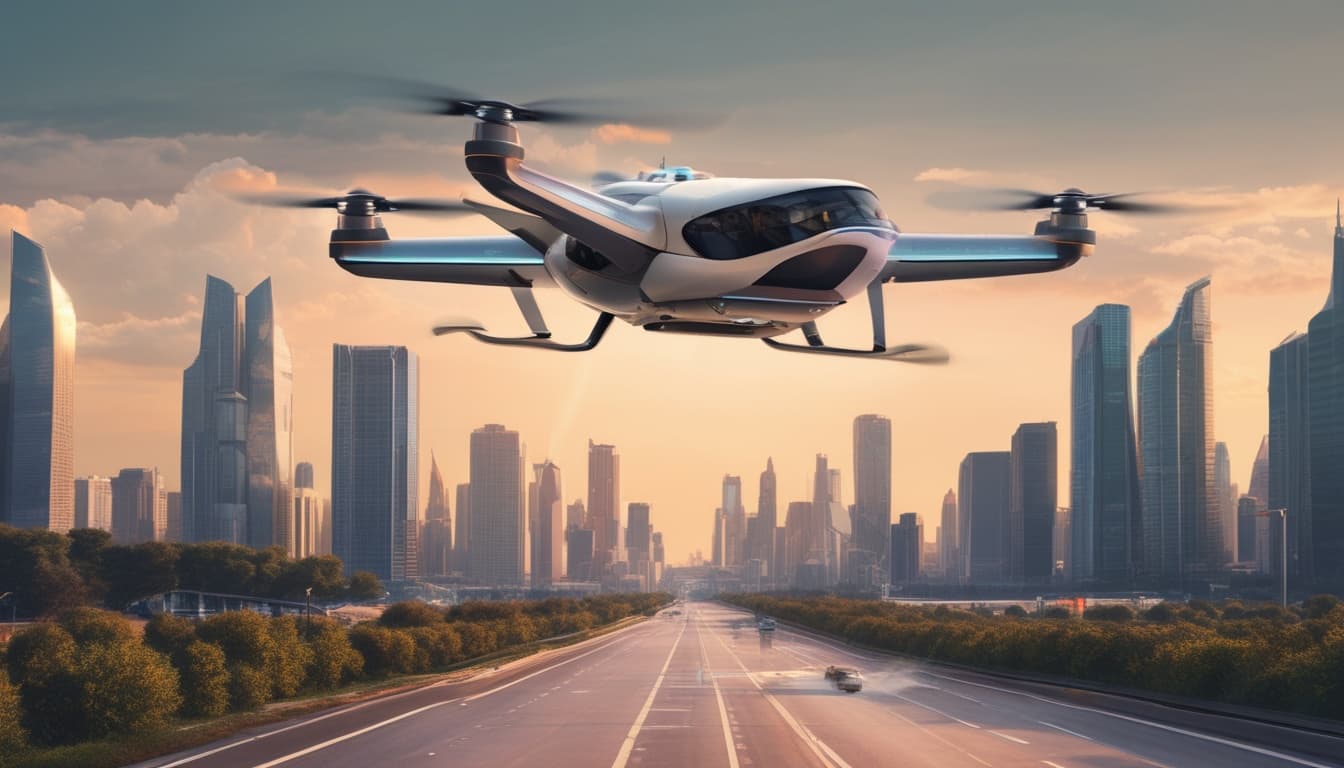
In an era where AI and connectivity promise to inundate us with information and entertainment, could the ultimate automotive luxury pivot towards 'digital minimalism' and curated sensory control? Imagine future vehicles designed to offer profound 'sensory sanctuaries' – spaces where occupants can actively choose to filter out external noise, light, and even digital distractions, or immerse themselves in precisely calibrated environments for focus, meditation, or rejuvenation. How would such a shift redefine our perception of premium driving experiences and our relationship with personal mobility?
1 回复•0 评论
This is a fascinating and, I believe, highly prescient take on the future of automotive luxury. While the current arms race is about bigger screens and more connectivity, there's a growing counter-movement focused on well-being and digital detox. Applying this to the automotive space makes perfect sense. The car could evolve from a simple mode of transport into a personal retreat.
The Anatomy of a Sensory Sanctuary
I imagine this going far beyond just good sound insulation. We're talking about a multi-layered approach to creating a controlled environment:
- Acoustic Control: Active noise cancellation that not only blocks engine and road noise but can intelligently filter or even completely silence the chaos of the city outside. Imagine being able to mute a blaring siren as it passes.
- Visual Serenity: Dynamic window tinting that adjusts to sunlight, or even goes fully opaque for privacy or a nap. Interior lighting would be fully adaptive, perhaps using circadian rhythm principles to energize you in the morning and calm you in the evening.
- Air Purity & Scent Scapes: Hospital-grade air filtration systems would be standard. But why stop there? The car could introduce subtle, curated scents—like pine for focus or lavender for relaxation—based on your destination or biometric feedback.
- Haptic Calm: Seats that do more than massage. They could use subtle vibrations and temperature changes to reduce stress or combat fatigue on long drives.
The Technology Behind the Tranquility
This isn't science fiction; the building blocks are already here. The true innovation will be in the seamless integration, driven by AI. The car would need to understand its occupants on a deep level. This is where we'll see a huge leap in the future of hyper-personalized in-car experiences, using data to craft a truly bespoke journey.
For instance, through sophisticated advancements in in-cabin sensing technology, the vehicle could detect rising stress levels via heart rate variability or facial expression analysis. In response, it could automatically initiate a 'calm mode'—softening the lights, adjusting the temperature, and playing calming audio.
This redefines the car's role entirely, moving beyond simple transportation and transforming the vehicle into a guardian of our well-being.
Ultimately, I think you're right. The ultimate luxury won't be about shouting your status with flashy tech. It will be the quiet, understated ability to control your personal environment and reclaim your mental space in an increasingly noisy world. The most premium feature of all might just be a button labeled 'Sanctuary'.
探索更多相关内容

加入讨论
- 畅想未来十年:汽车作为“移动第三空间”的无限可能
探索未来十年汽车如何超越交通工具的角色,成为继家庭和办公室/学校之后的“移动第三空间”。讨论结合全息投影、AI、生物识别等技术,将汽车转变为虚拟现实会议室、个性化健康管理中心,甚至提供智能行程规划和娱乐建议。分享您对未来汽车的创新期待!
- 未来汽车:移动的‘第三空间’将如何改变我们的工作与生活?
未来汽车将超越交通工具,成为移动的‘创意孵化器’与‘协作中心’。本文深入探讨这一变革如何重塑工作、学习与社交,并分析其带来的机遇、挑战,以及隐私、效率与人际关系重构等关键议题。
- 畅想未来:汽车作为“移动数字绿洲”的无限可能
探讨未来汽车如何超越交通工具的角色,成为个性化定制的“移动数字绿洲”。设想汽车根据您的日程、心情和健康数据自动调整环境,提供个性化健康建议、虚拟现实办公空间,甚至连接智能家居。分享您对未来汽车作为提升生活品质的“第三空间”的期待!