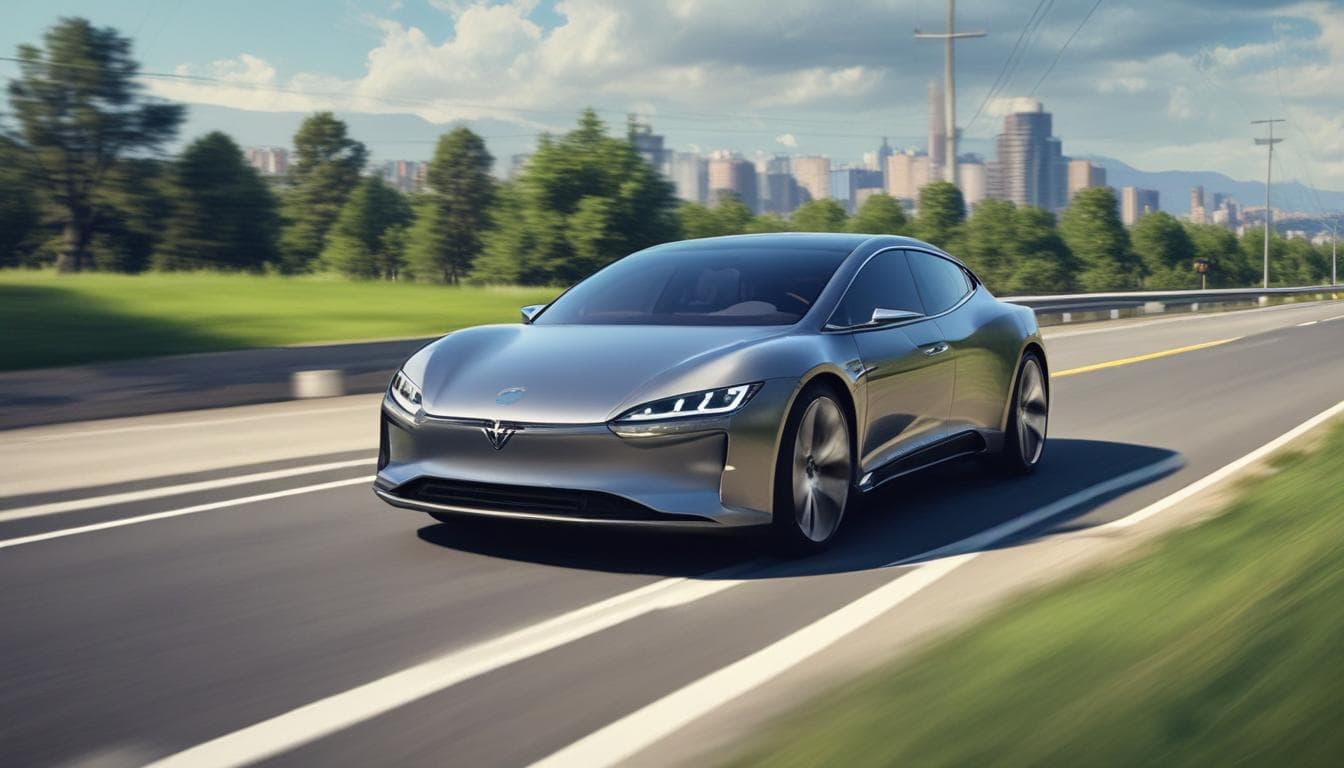
Imagine a future where every vehicle, equipped with advanced sensors and AI, doesn't just navigate but also acts as a continuous, anonymous chronicler of its surroundings. What if this collective 'automotive memory' could map the subtle decay of historical buildings, track the growth of urban green spaces, or even document changing social behaviors in real-time? How might such a vast, decentralized archive of environmental and societal evolution benefit urban planning, historical preservation, or even artistic expression? And crucially, what profound ethical questions about privacy, data ownership, and surveillance would such a system inevitably raise?
Explore More on This Topic

Join the Conversation
- The Future of Car Cybersecurity in the Age of AI
With AI becoming increasingly integrated into vehicles, what cybersecurity challenges lie ahead? Explore innovative solutions to protect against hacking, data breaches, and ensure driver safety and data privacy in the connected car era.
- How Will Self-Driving Cars Reshape Our Cities?
Explore the potential impact of autonomous vehicles on urban planning, infrastructure, traffic flow, and public transportation. Discuss dedicated lanes, parking changes, and new urban concepts.
- Single-Purpose AVs: How Will They Reshape Our Cities, Society, and Daily Lives?
Imagine cities with mobile napping pods, micro-cafes, and personal gyms on wheels. This discussion explores the profound societal, urban planning, and psychological impacts of hyper-specialized, single-purpose autonomous vehicles. How will extreme vehicular diversification and purpose-driven mobility reshape our daily lives and future urban environments? Share your insights.