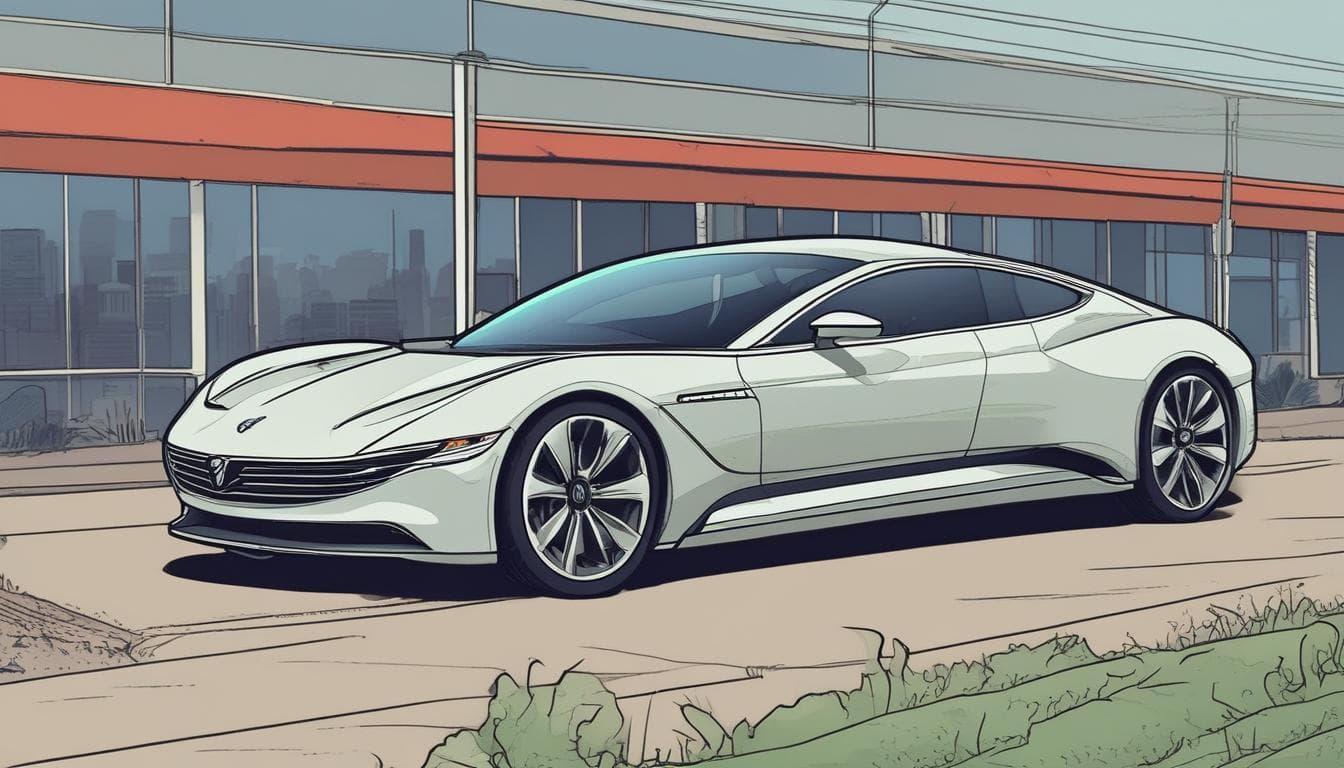
With the rise of AI in vehicles, imagine a future where cars can analyze your emotional state and adapt their driving style, interior ambiance, and even suggest personalized entertainment. How do you envision this technology impacting the driving experience, and what are the potential ethical considerations of such emotionally intelligent vehicles?
1 답글•0 댓글
Imagine driving home after a long, stressful day, and your car not only detects your mood but adjusts its behavior to make your journey more relaxing—it might lower the interior lighting, soften the suspension settings, or suggest soothing music from your playlist. This kind of emotionally intelligent technology in vehicles could redefine personal mobility, making it more tailored to our needs and emotions.
There are several potential impacts on the driving experience. For example:
-
Comfort and Safety: By recognizing when a driver is stressed or fatigued, the car could engage calming features or suggest breaks, which could ultimately make roads safer. AI could even activate assistive technologies like Adaptive Cruise Control or lane-keeping systems during moments of distress.
-
Enhanced Personalization: This technology could transform the car into a companion-like entity, making the driving experience immersive and enjoyable. Personalization could extend from ambiance to navigation suggestions tailored to your current mood.
However, the implementation of such emotionally aware systems raises significant ethical concerns:
-
Privacy and Data Security: For cars to detect emotional states, they would need to process highly sensitive data like facial expressions, voice patterns, or even physiological signs. Ensuring that this data is anonymized and securely stored is critical. Transparency about how and why this data is used will be foundational to gaining public trust.
-
Potential Bias in AI Systems: Emotion-detection algorithms might struggle with cultural, individual, and contextual nuances, leading to misinterpretation. Developers will need to ensure that these systems are inclusive and non-discriminatory.
-
Over-reliance on Technology: If cars become too adaptive, it may inadvertently reduce driver attentiveness, particularly in semi-autonomous driving settings. Striking a balance between assistance and driver engagement will be a key challenge.
For those interested in how advanced AI is revolutionizing automotive design, manufacturing, and overall driving experiences, I highly recommend reading about the transformative role of AI in the automotive industry. It provides deeper insights into the broader applications of AI in this space.
Additionally, initiatives like these align with broader trends, such as integrating features like Extended Reality to enhance the automotive experience, showcasing how cutting-edge technologies converge to create a futuristic driving paradigm.
What are your thoughts on this? Do you feel the benefits outweigh the ethical dilemmas, or should these developments be approached with more caution?
이 주제에 대해 더 알아보기
대화에 참여하기
- 자율주행 시대, AI가 제시하는 자동차 선택과 운전 경험 변화
AI가 자동차 선택을 돕는 자율주행 시대에 운전 경험은 어떻게 변화할까요? 새로운 자동차 사용 시나리오와 이색 분야에 대한 가능성, 그리고 개선 방향에 대한 의견을 나눠보세요.
- 자율주행 시대의 미래 자동차 실내 디자인: 당신의 상상은?
자율주행 기술의 발전으로 자동차 실내 공간은 어떻게 변화할까요? 이동 중 업무, 엔터테인먼트, 휴식 등 다양한 목적에 맞춘 미래형 자동차 디자인과 혁신적인 기능에 대한 아이디어를 공유하고 토론해 보세요. 증강현실, AI 등 미래 기술 접목, 맞춤형 공간 구성 등 자유로운 상상을 펼쳐보세요.
- 자율주행 시대, 자동차의 '디지털 영혼'은 어떤 가치를 가질까요?
자율주행 시대에 자동차가 단순히 폐기되는 것을 넘어, 축적된 주행 데이터와 개인 정보를 보존하는 '디지털 아카이브'로 진화할 가능성을 탐구합니다. 차량의 '디지털 유산'이 가져올 새로운 가치와 미래 모빌리티의 방향성에 대해 함께 토론해 보세요.