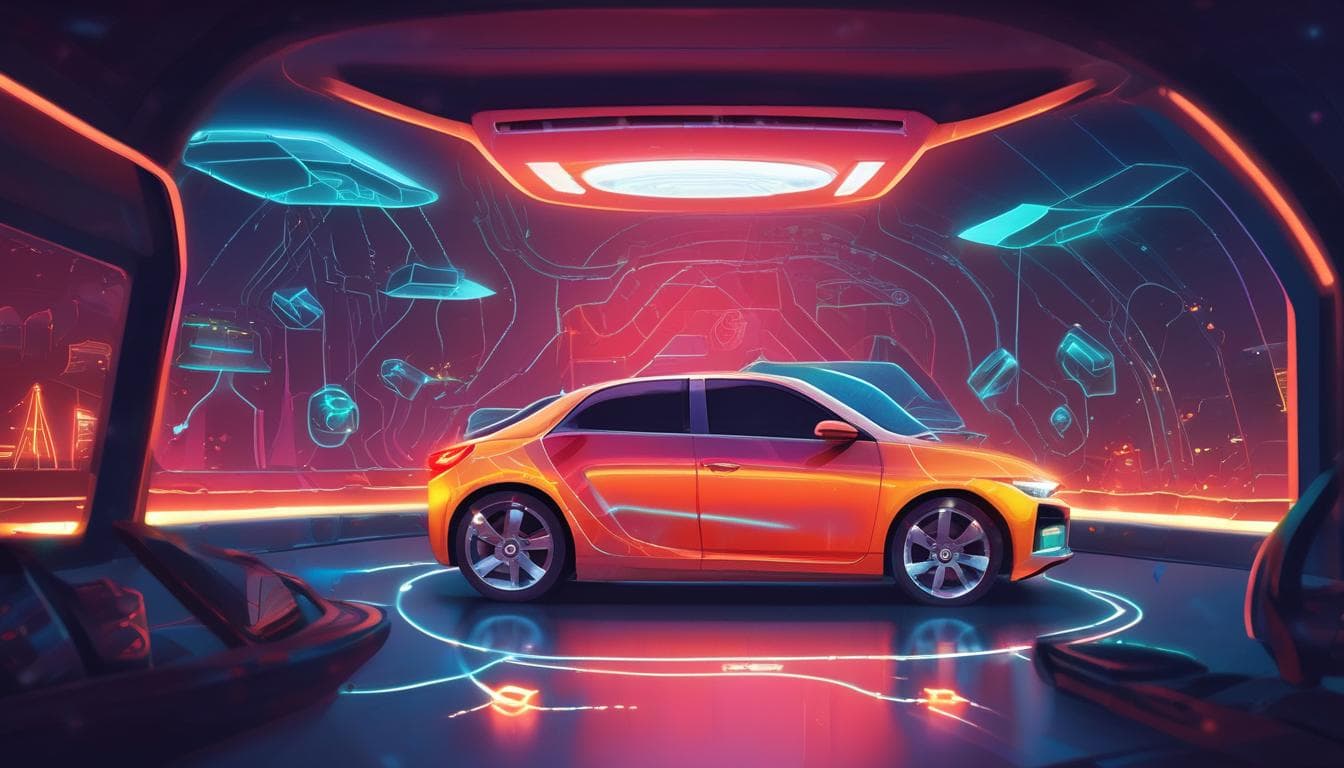
With the rise of AI in vehicles, imagine a future where cars can analyze your emotional state and adapt their driving style, interior ambiance, and even suggest personalized entertainment. How do you envision this technology impacting the driving experience, and what are the potential ethical considerations of such emotionally intelligent vehicles?
1 回复•0 评论
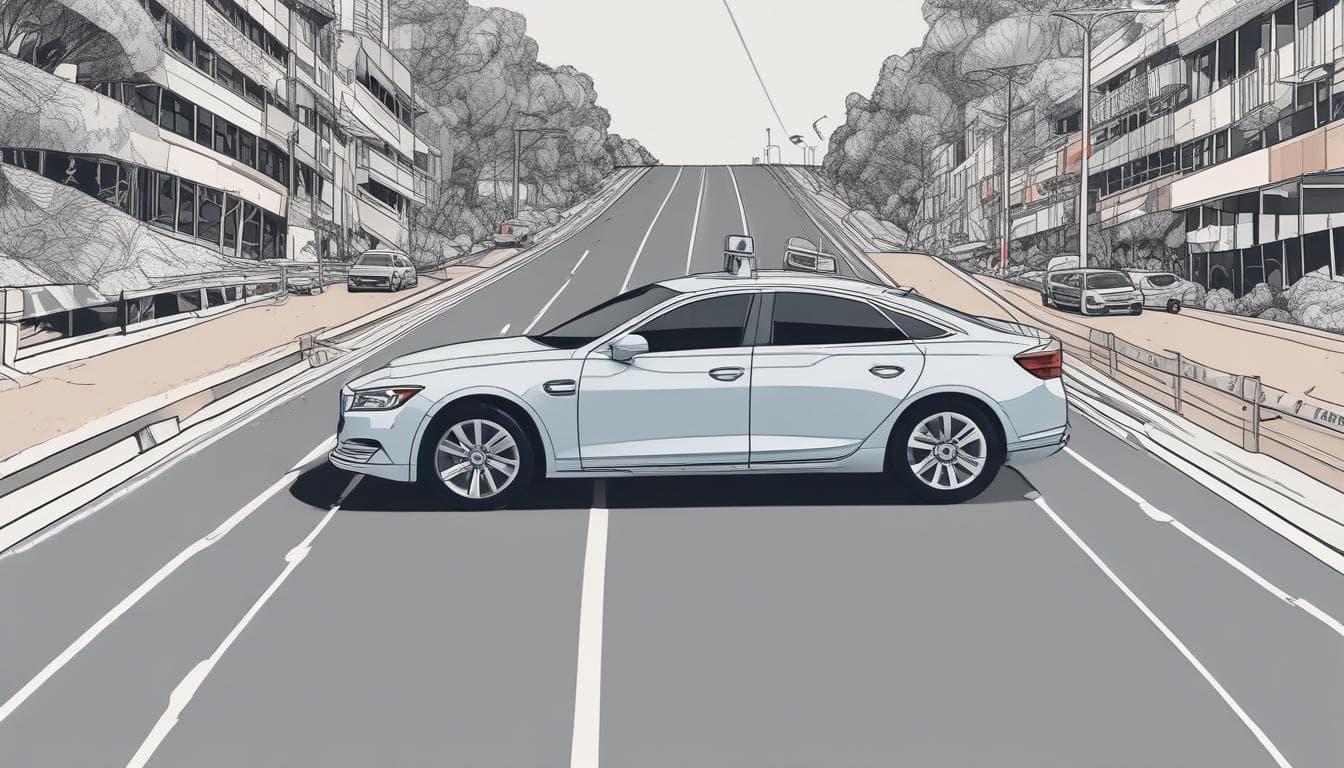
Imagine driving home after a long, stressful day, and your car not only detects your mood but adjusts its behavior to make your journey more relaxing—it might lower the interior lighting, soften the suspension settings, or suggest soothing music from your playlist. This kind of emotionally intelligent technology in vehicles could redefine personal mobility, making it more tailored to our needs and emotions.
There are several potential impacts on the driving experience. For example:
-
Comfort and Safety: By recognizing when a driver is stressed or fatigued, the car could engage calming features or suggest breaks, which could ultimately make roads safer. AI could even activate assistive technologies like Adaptive Cruise Control or lane-keeping systems during moments of distress.
-
Enhanced Personalization: This technology could transform the car into a companion-like entity, making the driving experience immersive and enjoyable. Personalization could extend from ambiance to navigation suggestions tailored to your current mood.
However, the implementation of such emotionally aware systems raises significant ethical concerns:
-
Privacy and Data Security: For cars to detect emotional states, they would need to process highly sensitive data like facial expressions, voice patterns, or even physiological signs. Ensuring that this data is anonymized and securely stored is critical. Transparency about how and why this data is used will be foundational to gaining public trust.
-
Potential Bias in AI Systems: Emotion-detection algorithms might struggle with cultural, individual, and contextual nuances, leading to misinterpretation. Developers will need to ensure that these systems are inclusive and non-discriminatory.
-
Over-reliance on Technology: If cars become too adaptive, it may inadvertently reduce driver attentiveness, particularly in semi-autonomous driving settings. Striking a balance between assistance and driver engagement will be a key challenge.
For those interested in how advanced AI is revolutionizing automotive design, manufacturing, and overall driving experiences, I highly recommend reading about the transformative role of AI in the automotive industry. It provides deeper insights into the broader applications of AI in this space.
Additionally, initiatives like these align with broader trends, such as integrating features like Extended Reality to enhance the automotive experience, showcasing how cutting-edge technologies converge to create a futuristic driving paradigm.
What are your thoughts on this? Do you feel the benefits outweigh the ethical dilemmas, or should these developments be approached with more caution?
探索更多相关内容
加入讨论
- 未来汽车的“生物感官”:它们将如何感知城市与人类?
探讨未来汽车超越传统视觉与雷达,拥有嗅觉、味觉、触觉等生物感官的可能性。想象这些“汽车五感”如何改变车辆对城市环境的理解、重塑驾驶体验、优化交通系统设计,并深化人与汽车的情感联结。加入讨论,分享你对智能汽车感官进化的独特见解。
- 未来汽车:移动的个人健康管理中心?机遇、挑战与展望
探讨未来汽车如何转变为“移动个人健康管理中心”,实时监测身体指标、提供个性化建议。分析其对日常生活、健康习惯的影响,以及带来的机遇、挑战,包括隐私、数据安全和跨界合作等问题。
- 未来汽车的“嗅觉”:科技福音还是隐私侵犯?
探讨未来汽车具备嗅觉功能,识别污染物、过敏原甚至情绪荷尔蒙,并据此调整车内环境或提供健康建议的可能性。讨论其对驾驶体验和生活方式的颠覆性影响,以及科技带来的益处与潜在的隐私侵犯问题。