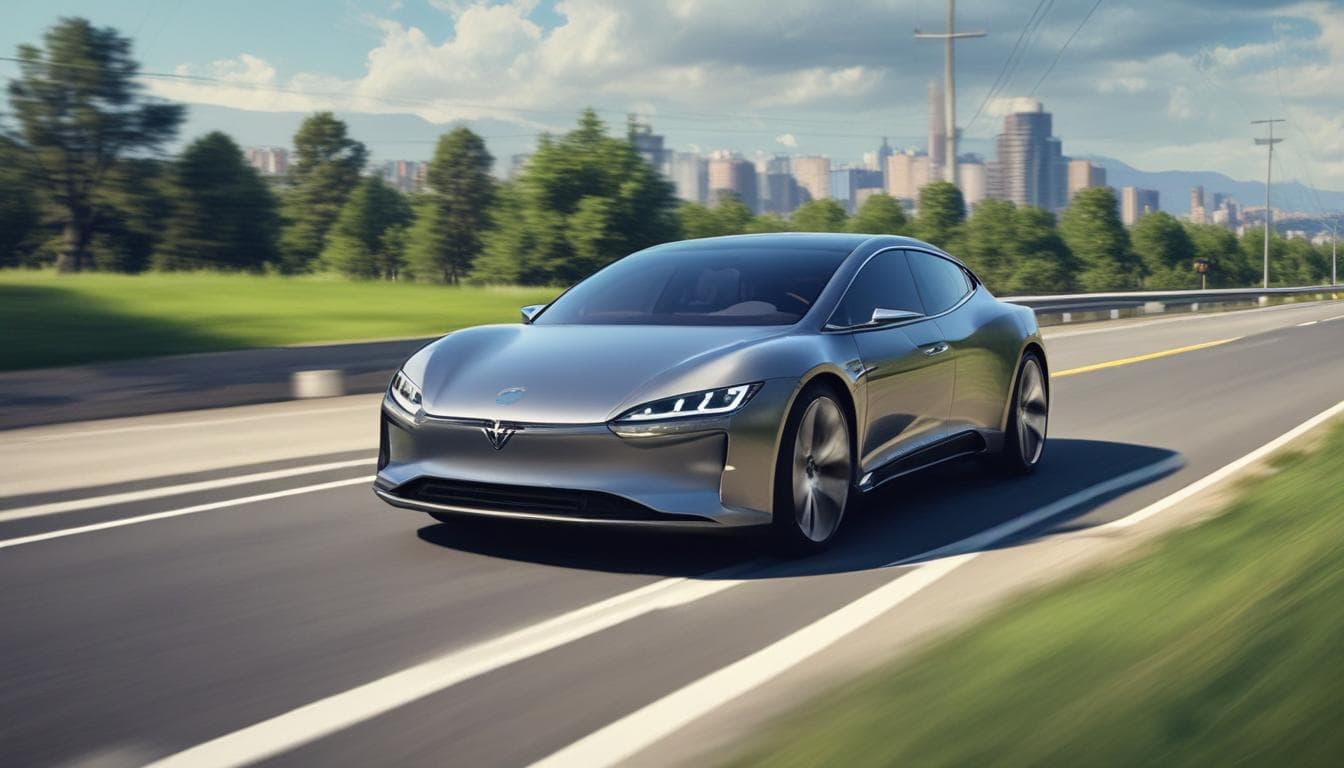
As autonomous vehicle technology advances, imagine a future where cars are not only self-driving but also engineered for near-perfect silence and seamless operation, effectively making the act of travel almost imperceptible. How might this 'silent revolution' in automotive design psychologically reshape our relationship with transportation? Would the absence of engine noise, road vibrations, and active driving input lead to a profound shift in our perception of journey, distance, and even our own sense of connection to the world outside the vehicle? What unexpected impacts could this hyper-optimized, sensory-deprived travel experience have on our well-being and daily lives?
Explore More on This Topic


Join the Conversation
- The Future of AI-Driven In-Car Personalization: Beyond Comfort and Entertainment
Explore the future of AI in vehicles and how it can personalize the driving experience beyond entertainment and comfort. Discuss the ethical considerations and potential benefits of deep AI integration, such as anticipating mood and stress levels and suggesting personalized micro-experiences.
- The Future of Automotive Tourism: AI-Curated Road Trips vs. Spontaneous Exploration
Explore the future of automotive tourism in the age of AI. Will AI-curated road trips replace spontaneous exploration, or will they coexist? Discuss the opportunities and challenges for travelers and the tourism industry as AI integrates into vehicles and travel experiences.
- The Future of Road Rage in the Age of AI-Powered Vehicles
How will AI in vehicles impact road rage? Will it help de-escalate aggressive driving or make it worse? Explore the potential roles of AI and human drivers in managing these scenarios.