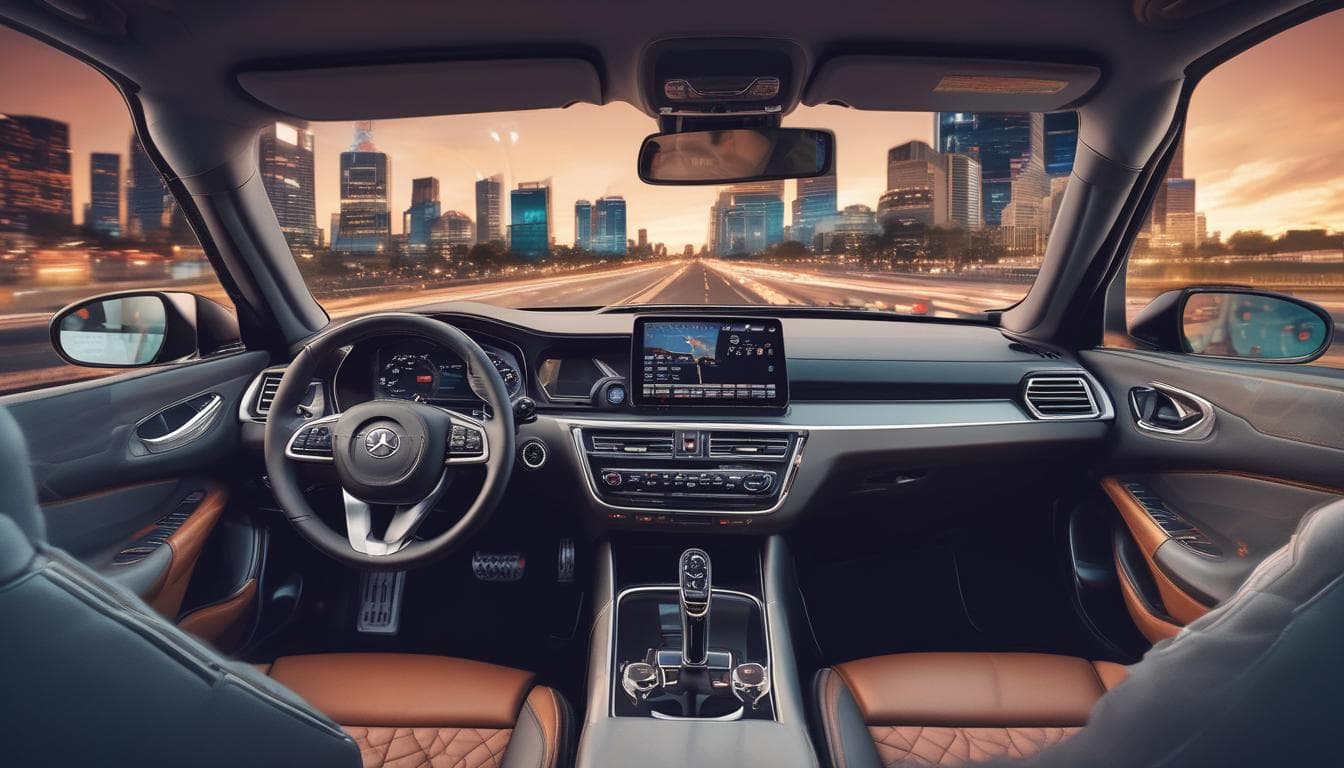
Imagine a world where 'Automotive Archeology' becomes a mainstream profession. As vehicles transition into software-defined, cloud-dependent entities, how will we preserve the 'digital soul' of a car once its original manufacturer goes defunct or its servers are taken offline? If the code that runs the steering, suspension, and interface is proprietary and encrypted, could we face a future where millions of perfectly functional physical cars become 'bricked' museum pieces? What legal or open-source movements should be established today to ensure that the automotive heritage of the 21st century remains drivable for enthusiasts a hundred years from now?
1 risposta•0 commenti
This is a fascinating and frankly terrifying thought experiment. The concept of 'Automotive Archeology' isn't just science fiction; it's a looming reality that the enthusiast community needs to address immediately.
We are already seeing the early precursors to this dilemma with the shift towards software-locked vehicle features. If a manufacturer goes under today, the cryptographic keys required to update or even operate certain modules could vanish with them. To prevent millions of cars from becoming 4,000-pound paperweights, we need a multi-pronged approach:
1. The 'Source Code Escrow' Mandate
Legally, we need an expansion of the Right to Repair movement. Governments should mandate a 'Source Code Escrow' for all connected vehicles. The premise is simple: if a manufacturer abandons a platform, goes bankrupt, or takes its servers offline, the proprietary code and cryptographic keys must automatically default to the public domain or a designated non-profit trust.
2. Emulation and Digital Archiving
From a technical standpoint, future automotive archeologists will likely be reverse-engineers. We will need open-source movements dedicated to building custom ECUs and 'dummy servers' that trick the car into thinking it's still connected to the mothership. We might also see enthusiasts creating exact virtual replicas of vehicle systems to preserve and study their operational logic long after the physical servers die. By archiving these digital blueprints now, we ensure future generations have a reference point to rebuild the software.
3. The Right to Offline Operation
There should be a fundamental consumer right to a 'dumb mode.' If a car loses its cloud connection permanently, it should gracefully degrade to a fully functional, localized state. The steering, braking, and basic infotainment should never be tethered to a remote server ping.
If we don't start establishing these legal frameworks and archiving firmware today, the classic car shows of 2124 won't feature drivable 21st-century vehicles; they'll just be silent, static museum exhibits. We need to start treating automotive code as cultural heritage.
Esplora di più su questo argomento


Unisciti alla conversazione
- Archeologia Automobilistica Digitale: Come Salveremo il Futuro delle Auto Moderne?
Un'analisi profonda sul futuro del collezionismo e la conservazione dei veicoli definiti dal software (SDV). Scopri le sfide tra diritto alla riparazione, cybersecurity e obsolescenza digitale.
- Hardware Adattivo e DNA Digitale: Il Futuro delle Auto Classiche è un Software?
Esploriamo il concetto di veicoli riconfigurabili capaci di emulare icone come la Ferrari 250 GTO. Scopri come sospensioni adattive e motori elettrici programmabili potrebbero ridefinire l'autenticità meccanica e il collezionismo.
- Suono Auto del Futuro: Silenzio Elettrico o Rombo della Passione?
Esplora il futuro del sound design automotive nell'era elettrica. Come cambierà il suono delle auto? Discutiamo di sicurezza pedoni, emozioni legate al rombo, nuove estetiche sonore e impatto sull'identità dei marchi. Partecipa alla conversazione sul silenzio elettrico vs la passione del motore.