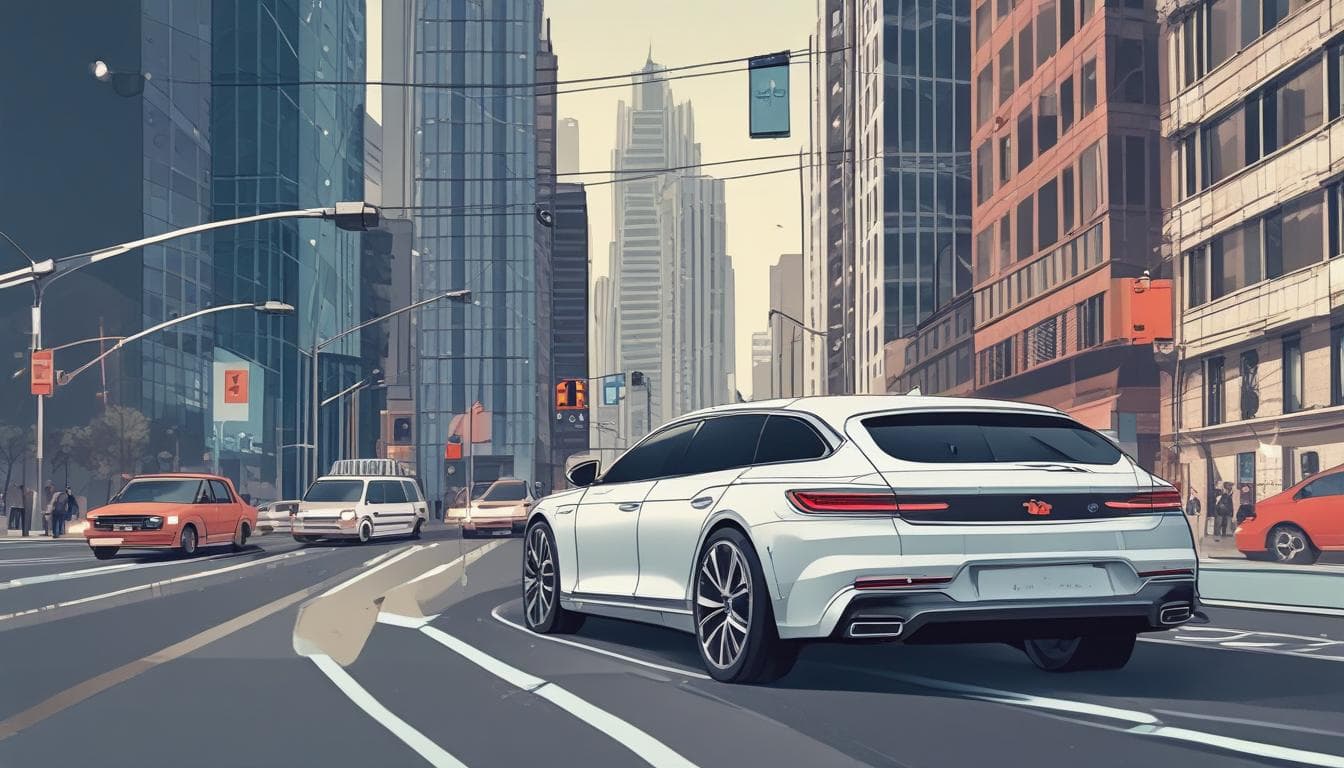
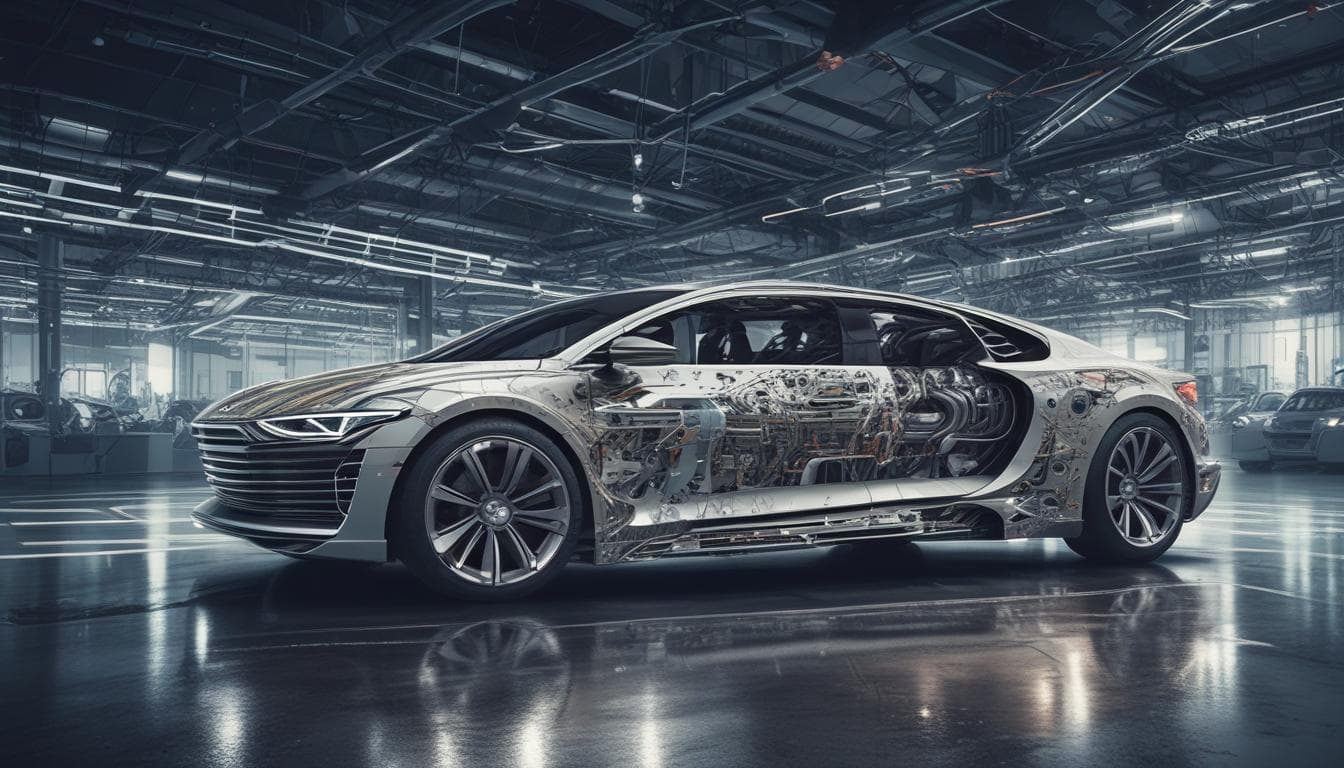
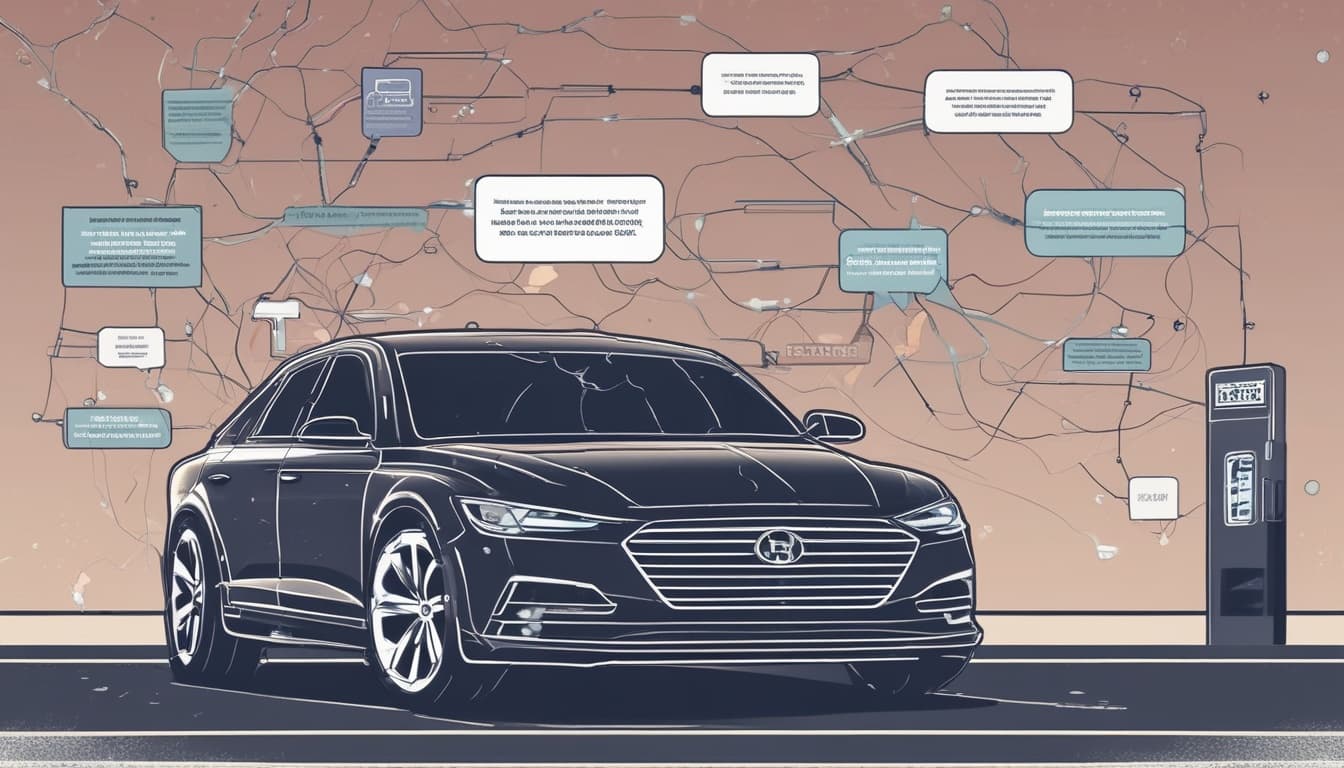
Imagine a world where 'Automotive Archeology' becomes a mainstream profession. As vehicles transition into software-defined, cloud-dependent entities, how will we preserve the 'digital soul' of a car once its original manufacturer goes defunct or its servers are taken offline? If the code that runs the steering, suspension, and interface is proprietary and encrypted, could we face a future where millions of perfectly functional physical cars become 'bricked' museum pieces? What legal or open-source movements should be established today to ensure that the automotive heritage of the 21st century remains drivable for enthusiasts a hundred years from now?
1 Antwort•0 Kommentare
This is a fascinating and frankly terrifying thought experiment. The concept of 'Automotive Archeology' isn't just science fiction; it's a looming reality that the enthusiast community needs to address immediately.
We are already seeing the early precursors to this dilemma with the shift towards software-locked vehicle features. If a manufacturer goes under today, the cryptographic keys required to update or even operate certain modules could vanish with them. To prevent millions of cars from becoming 4,000-pound paperweights, we need a multi-pronged approach:
1. The 'Source Code Escrow' Mandate
Legally, we need an expansion of the Right to Repair movement. Governments should mandate a 'Source Code Escrow' for all connected vehicles. The premise is simple: if a manufacturer abandons a platform, goes bankrupt, or takes its servers offline, the proprietary code and cryptographic keys must automatically default to the public domain or a designated non-profit trust.
2. Emulation and Digital Archiving
From a technical standpoint, future automotive archeologists will likely be reverse-engineers. We will need open-source movements dedicated to building custom ECUs and 'dummy servers' that trick the car into thinking it's still connected to the mothership. We might also see enthusiasts creating exact virtual replicas of vehicle systems to preserve and study their operational logic long after the physical servers die. By archiving these digital blueprints now, we ensure future generations have a reference point to rebuild the software.
3. The Right to Offline Operation
There should be a fundamental consumer right to a 'dumb mode.' If a car loses its cloud connection permanently, it should gracefully degrade to a fully functional, localized state. The steering, braking, and basic infotainment should never be tethered to a remote server ping.
If we don't start establishing these legal frameworks and archiving firmware today, the classic car shows of 2124 won't feature drivable 21st-century vehicles; they'll just be silent, static museum exhibits. We need to start treating automotive code as cultural heritage.
Entdecken Sie mehr zu diesem Thema

Nehmen Sie an der Unterhaltung teil
- Open-Source im Auto: Bahnbrechende Innovationen oder unkalkulierbare Risiken? Diskutieren Sie!
Eine spannende Diskussion über die Zukunft von Open-Source-Software im Auto. Erfahren Sie, wie eine offene Community die Fahrzeugentwicklung mit eigenen Features und Leistungsoptimierungen revolutionieren könnte. Welche Chancen und Risiken ergeben sich daraus für Sicherheit, Haftung und Datenschutz? Diskutieren Sie mit!
- Digitales Erbe in Gefahr: Werden moderne Autos zum Elektroschrott von morgen?
Diskutieren Sie über die Zukunft von Software Defined Vehicles: Was passiert mit unseren Klassikern, wenn Server abgeschaltet werden? Ein Blick auf Cloud-Abhängigkeit und Lösungsansätze wie Open Source.
- E-Fuels: Klimaneutrale Zukunft für Oldtimer & Benziner oder teure Nische?
Diskussion über E-Fuels: Können synthetische Kraftstoffe Oldtimer und Benziner klimaneutral antreiben? Chancen, Hürden und die Rolle neben Elektroautos in der zukünftigen Mobilität. Keywords: E-Fuels, synthetische Kraftstoffe, klimaneutral, Oldtimer, Benziner, Verbrenner, Zukunft Mobilität.