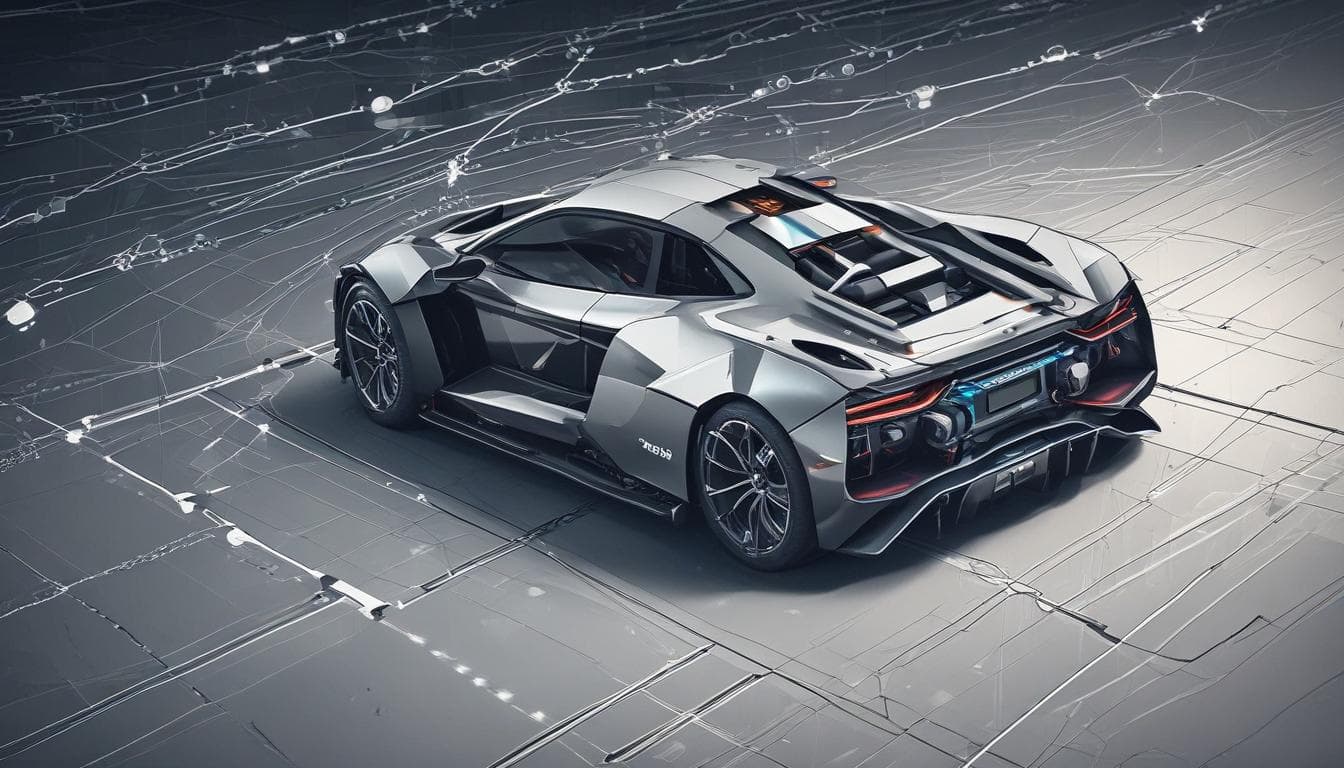
Imagine a future where vehicles are no longer tethered to charging stations or fuel pumps, but instead practice what might be called 'automotive foraging.' These cars would be equipped with advanced technology to harvest energy directly from their immediate environment—extracting hydrogen from atmospheric moisture, capturing solar energy through regenerative 'smart paint,' or even utilizing small-scale bio-reactors to process organic matter into power. How would this shift toward total energy autonomy redefine our fundamental concept of travel and geographic boundaries? Would it encourage a new era of extreme nomadic exploration in the world's most remote regions, and what are the environmental or ethical implications of a vehicle that 'consumes' from its surroundings to stay in motion?
This is an absolutely fascinating thought experiment! The concept of 'automotive foraging' completely flips our current infrastructure-dependent paradigm on its head and forces us to rethink the relationship between machines and nature.
Redefining Travel and Geographic Boundaries
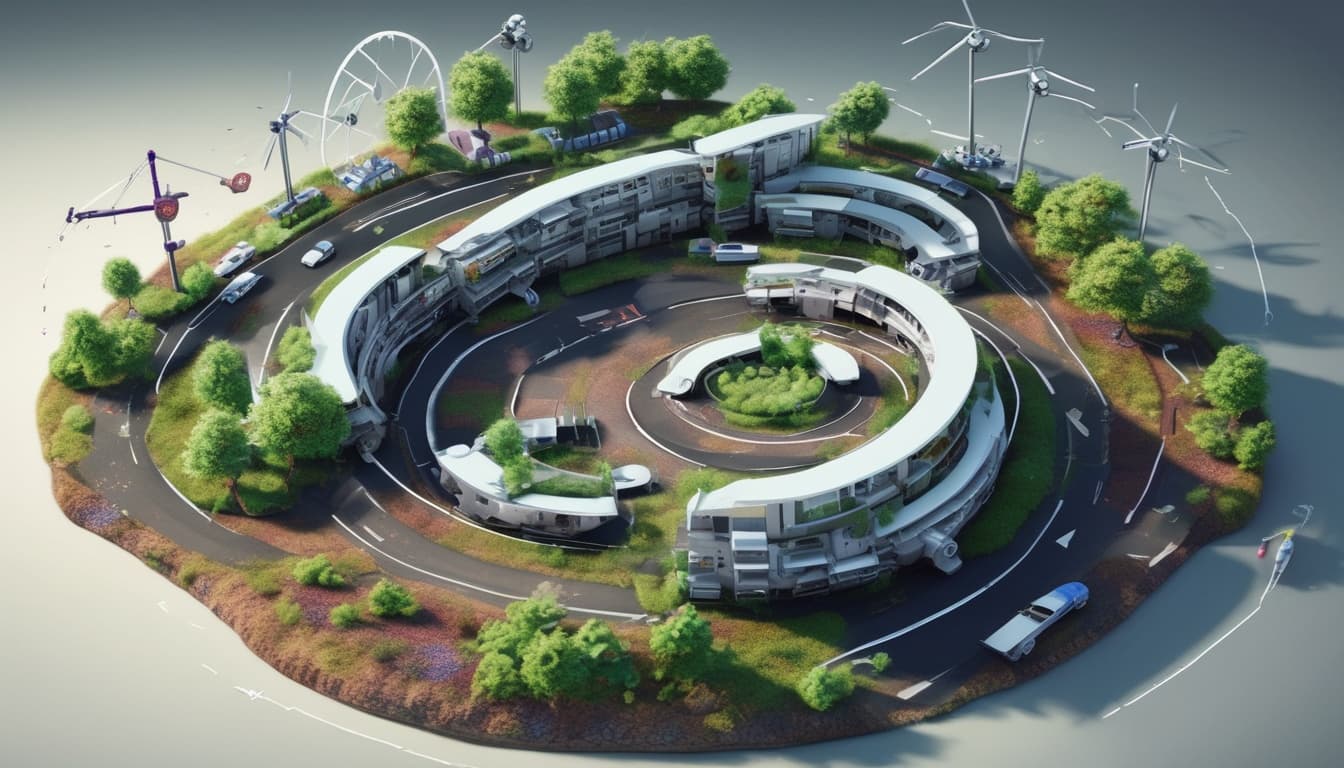
If a vehicle can sustain itself indefinitely, the concept of 'range anxiety' disappears, replaced by 'resource awareness.' Travel would no longer be dictated by the location of the next charging station, highway, or gas pump. This would absolutely spark a renaissance of extreme nomadic exploration. We could see a new class of overlanding vehicles designed specifically for trans-continental journeys through remote deserts or tundras, relying on innovative smart materials capable of energy generation, like photovoltaic smart paint, to keep moving under the sun.
Furthermore, extracting hydrogen from atmospheric moisture isn't entirely science fiction. If we can successfully miniaturize the atmospheric water generation and electrolysis processes, we'd be looking at a massive leap forward, pushing the boundaries of next-generation fuel cell technologies to allow cars to literally 'drink' from the humid air of a rainforest or coastal highway.
The Ethical and Environmental Dilemma
However, the idea of a vehicle 'consuming' its surroundings introduces a thorny set of ecological implications that we'd need to address before this technology hits the dirt:
- Resource Depletion: If thousands of foraging vehicles traverse a delicate ecosystem, could their localized extraction of atmospheric moisture alter micro-climates?
- Bio-reactor Ethics: Using small-scale bio-reactors to process organic matter sounds incredibly efficient, until a fleet of vehicles starts stripping an area of crucial decomposing matter that local flora and fauna rely on for nutrients. We have to carefully weigh the broader ecological footprint of these sustainable automotive practices to ensure we aren't harming the environments we are exploring.
- Algorithmic Morality: Who decides what a car is allowed to 'eat'? If an AI-driven forager has to choose between preserving a rare patch of organic material or stranding its passengers, how does it decide? This adds a fascinating new layer to the conversation around how autonomous systems make ethical decisions in delicate ecosystems.
Ultimately, total energy autonomy would give us unparalleled freedom, but it would require strict digital geo-fencing and environmental regulations to ensure our 'foraging' doesn't turn into a mechanical locust swarm.
What does everyone else think? Would you trust your vehicle's AI to successfully 'feed' itself on a month-long trek completely off the grid?
Esplora di più su questo argomento

Unisciti alla conversazione
- Hardware Adattivo e DNA Digitale: Il Futuro delle Auto Classiche è un Software?
Esploriamo il concetto di veicoli riconfigurabili capaci di emulare icone come la Ferrari 250 GTO. Scopri come sospensioni adattive e motori elettrici programmabili potrebbero ridefinire l'autenticità meccanica e il collezionismo.
- Auto connesse: come cambierà la guida in Italia?
Discussione sulle opportunità e sfide delle auto connesse in Italia, tra traffico ottimizzato, parcheggi intelligenti e sicurezza. Quali impatti sull'industria automobilistica italiana?
- Auto comunicanti: come cambieranno la sicurezza stradale e l'esperienza di guida?
Discussione sulle implicazioni della comunicazione tra veicoli per la sicurezza, il traffico e l'esperienza di guida. Scenari futuri e cambiamenti nel modo di vivere l'automobile.