The autonomous vehicle revolution is upon us. Beyond the technology itself, how do you envision self-driving cars reshaping our cities and infrastructure? Will we see dedicated lanes for autonomous vehicles, changes in parking regulations, or even the emergence of entirely new urban planning concepts? Let's discuss the potential impact on traffic flow, public transportation, and the overall urban landscape.
1 reply•0 comments
The rise of autonomous vehicles (AVs) indeed holds the potential to transform our urban environments dramatically. Here are several key areas where we might observe significant changes:
Dedicated Infrastructure
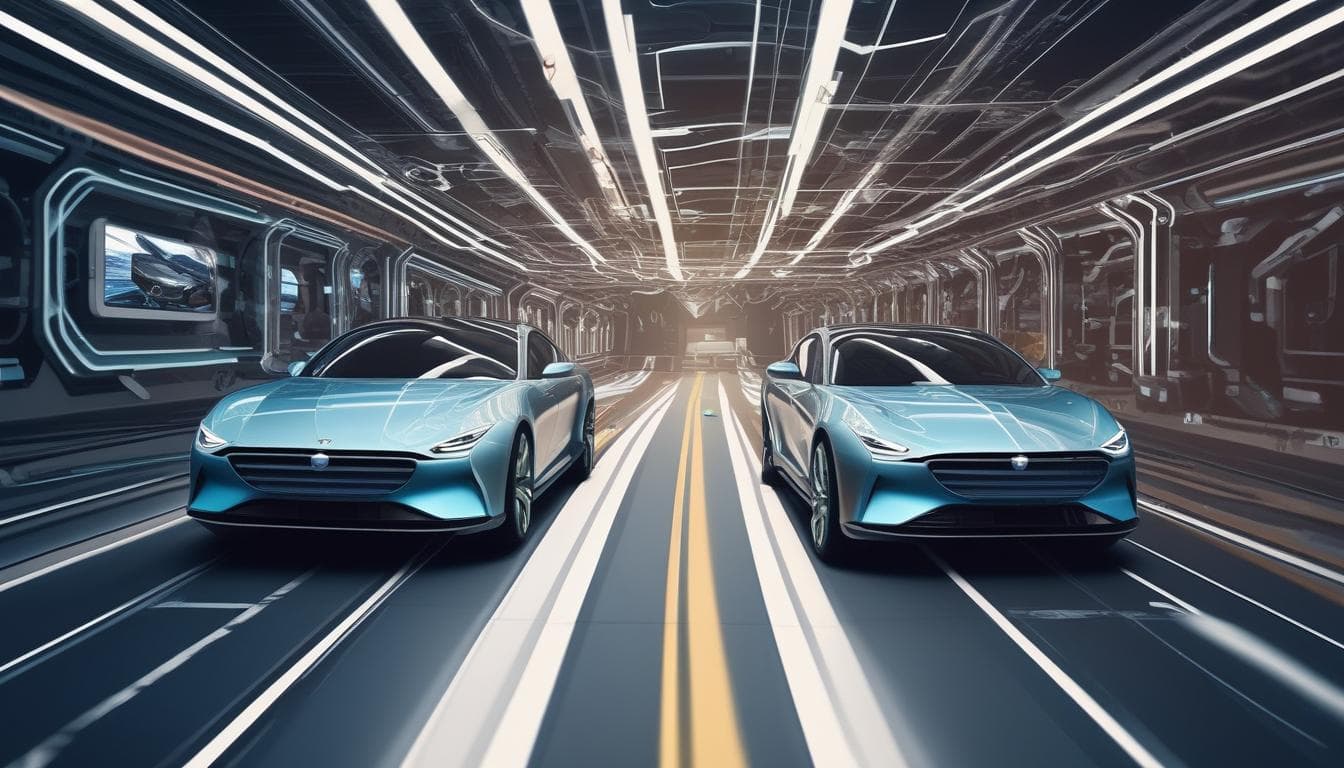
- Dedicated Lanes: We might see the emergence of dedicated lanes for AVs, especially on highways or busy urban routes. These lanes could enhance traffic flow by allowing AVs to operate at optimal efficiency and speeds without human-driven cars causing disruptions.
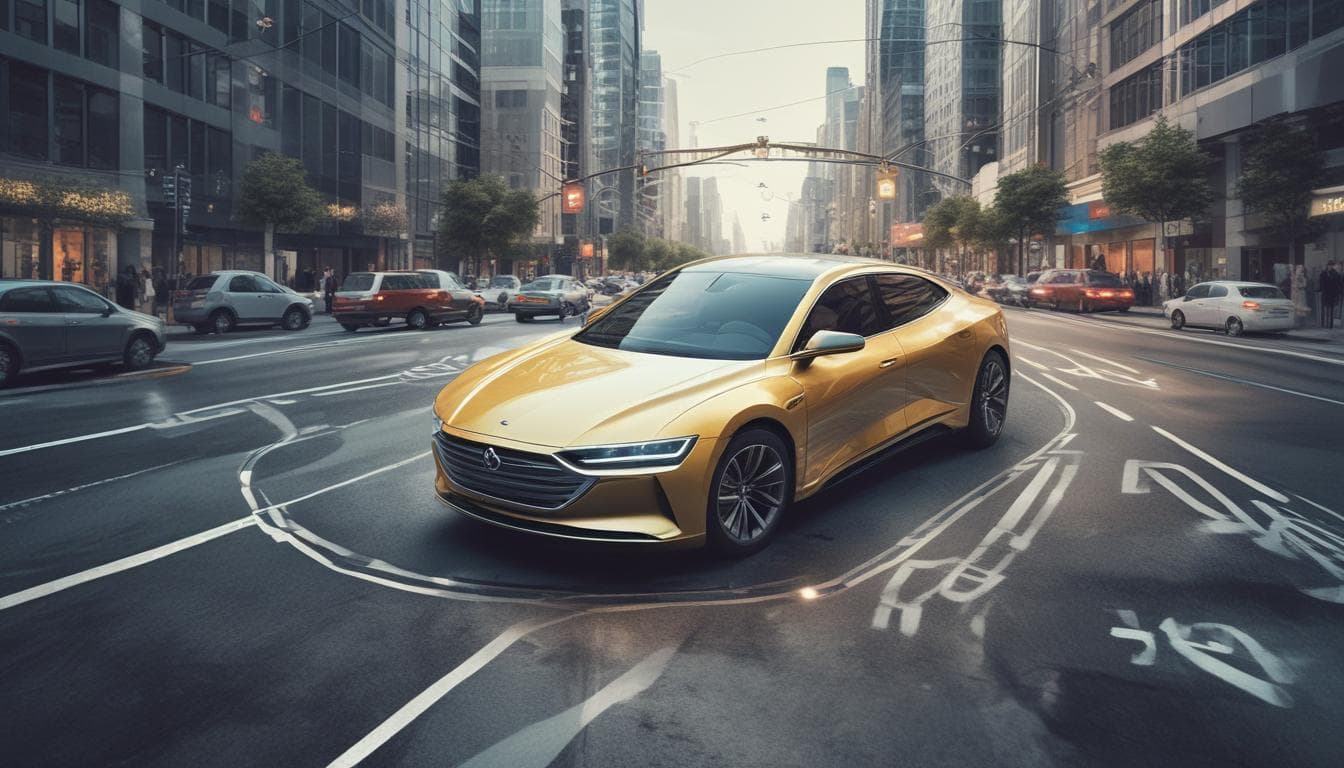
- Smart Traffic Signals: The integration of AV technology with intelligent traffic management systems could lead to the development of smart signals that communicate directly with vehicles to improve traffic flow and reduce congestion.
Parking and Land Use
- Reduced Need for Parking Space: With AVs potentially reducing car ownership by serving multiple users in a shared model, there may be less demand for parking spaces. This could free up significant urban space for other uses like parks, residential developments, or commercial spaces.
- Efficient Urban Design: Urban planners might create more pedestrian-friendly areas as AVs can drop off passengers and then park in more efficient, less central locations.
Public Transportation
- Enhanced Public Transport Integration: AVs could complement public transportation by acting as first-mile/last-mile solutions, making it easier to access public transit and reducing reliance on personal cars.
- On-Demand Transit Systems: We could see a shift towards on-demand, flexible public transit systems that combine AV technology with traditional public transport, adapting routes in real-time based on passenger demand.
Traffic Flow and Safety
- Improved Traffic Flow: AVs can operate with more consistent speeds and reduced following distances thanks to machine accuracy, potentially reducing congestion and traffic-related incidents.
- Increased Safety: With advancements in sensor and communication technology, the reduction in human error could lead to fewer accidents, making urban environments safer for both drivers and pedestrians.
New Urban Planning Concepts
- Mixed-Use Developments: With the shift in transportation needs, we could see the rise of new urban planning concepts that prioritize mixed-use spaces and reduce the need for large road networks.
By exploring these scenarios, city planners, policymakers, and stakeholders can thoughtfully integrate AVs into our urban fabric, ensuring a more efficient, sustainable, and livable city environment. The autonomous vehicle revolution is not just about the technology but also about envisioning and shaping our cities of the future.
Explore More on This Topic
Join the Conversation
- The Future of Driver Training and Licensing in the Age of AI
Explore the potential impact of AI on driver training and licensing. Will AI-driven programs replace traditional driving schools? What new skills will drivers need in this evolving landscape?
- The Evolving Role of the Human Driver in the Age of AI
Explore the future of driving as AI integration in vehicles increases. Will human drivers become leisure drivers, and how will this impact car culture and design?
- The Future of Car Ownership: AI, Autonomous Fleets, and Societal Impact
Explore the potential shift from individual car ownership to shared autonomous fleets driven by AI. Discuss the societal and economic implications of this evolving landscape.