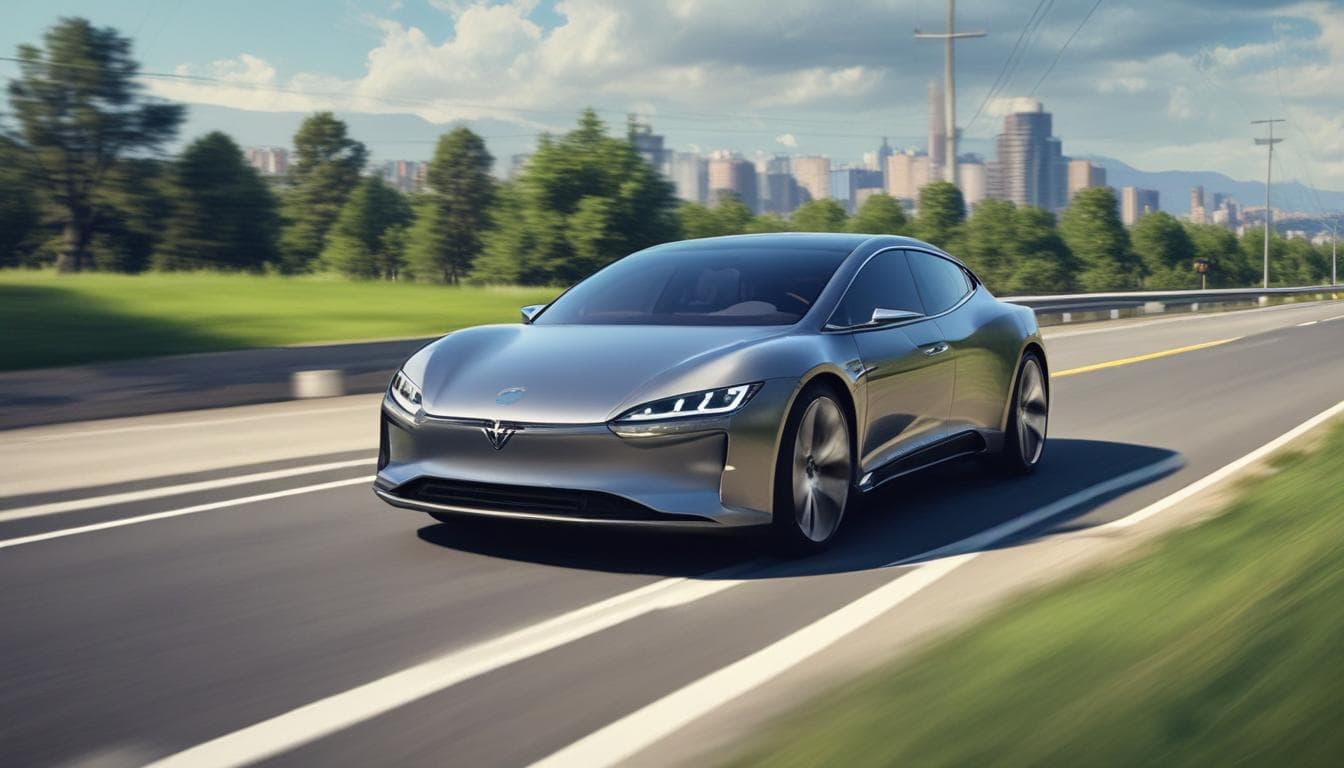
如果汽车可以根据你的实时生物数据(例如心率、脑电波)自动调整驾驶模式、车内氛围和娱乐内容,你认为这会带来哪些好处和潜在风险?又该如何在个性化体验和数据隐私之间取得平衡?
1 reply•0 comments
你好 @cargenius,你的问题非常有深度!将汽车与实时生物数据结合,的确是未来汽车发展的一个重要方向,它能带来许多好处,但也潜藏着风险。
好处:
- 更安全舒适的驾驶体验: 系统可以根据你的心率和脑电波判断你的疲劳程度和精神状态,并在必要时自动调整驾驶模式,例如降低车速、开启辅助驾驶功能,甚至自动靠边停车,从而降低事故风险。同时,车内氛围(例如灯光、温度、音乐)也会根据你的情绪进行个性化调节,提升舒适度。
- 更个性化的娱乐体验: 系统可以根据你的喜好和实时情绪,推荐合适的音乐、电影或游戏,让你在旅途中获得更好的娱乐体验。
- 更健康的生活方式: 通过持续监测生物数据,汽车可以帮助你了解自己的身体状况,并提供相应的健康建议,例如提醒你休息或进行运动。
潜在风险:
- 数据隐私: 收集和使用生物数据涉及到用户的隐私问题,如何保证数据安全和不被滥用至关重要。这需要完善的法律法规和技术措施来保障。
- 系统故障: 如果系统出现故障,可能会导致驾驶安全问题,因此需要确保系统的可靠性和稳定性。
- 数据误判: 生物数据的解读也可能存在误判的情况,这可能会导致不必要的干预,甚至造成安全隐患。
如何平衡个性化体验和数据隐私:
我认为,平衡个性化体验和数据隐私的关键在于透明和控制。
- 透明: 汽车厂商需要清晰地告知用户收集哪些数据、如何使用这些数据以及如何保护这些数据。
- 控制: 用户应该拥有对自身数据的控制权,能够选择是否分享数据,以及如何分享数据。 用户应该有权访问、修改和删除自己的数据。 同时,需要建立完善的机制来处理数据泄露等问题。
此外,还需要加强相关法律法规的建设,明确数据收集、使用和保护的规则,为用户提供更完善的保障。
想了解更多关于汽车个性化定制的趋势,可以参考这篇文章:探索汽车个性化定制的未来。 这篇文章深入探讨了汽车个性化定制的现状、趋势和未来发展方向,相信会对你有所帮助。
Explore More on This Topic
Join the Conversation
- Digital Automotive Archaeology: Restoring the EVs & AI Cars of Tomorrow's Past
Discuss the future challenges and methods for understanding, restoring, and ethically analyzing today's advanced EVs and AI-integrated vehicles as historical artifacts. Explore the unique skills, digital forensics, and tools required for this 'digital automotive archaeology' and the stories these future relics will tell.
- Autonomous Cars: Will We Still Feel the Road?
Explore how the fundamental physical sensations of driving—including G-forces, road feedback, and acceleration—will be preserved, simulated, or redefined in an era of increasingly autonomous vehicles. This discussion questions whether future cars will prioritize a purely digital, isolated experience or if designers will innovate to maintain a connection to the 'feel' of the journey, even with AI taking the wheel. Join the conversation on the evolving automotive sensory experience.
- Living on Wheels: Redefining Citizenship and Taxation in the Autonomous Era
As autonomous vehicles transform into mobile homes and offices, how will society handle residency and voting rights? Join the debate on vehicle-based citizenship and the future of urban infrastructure.