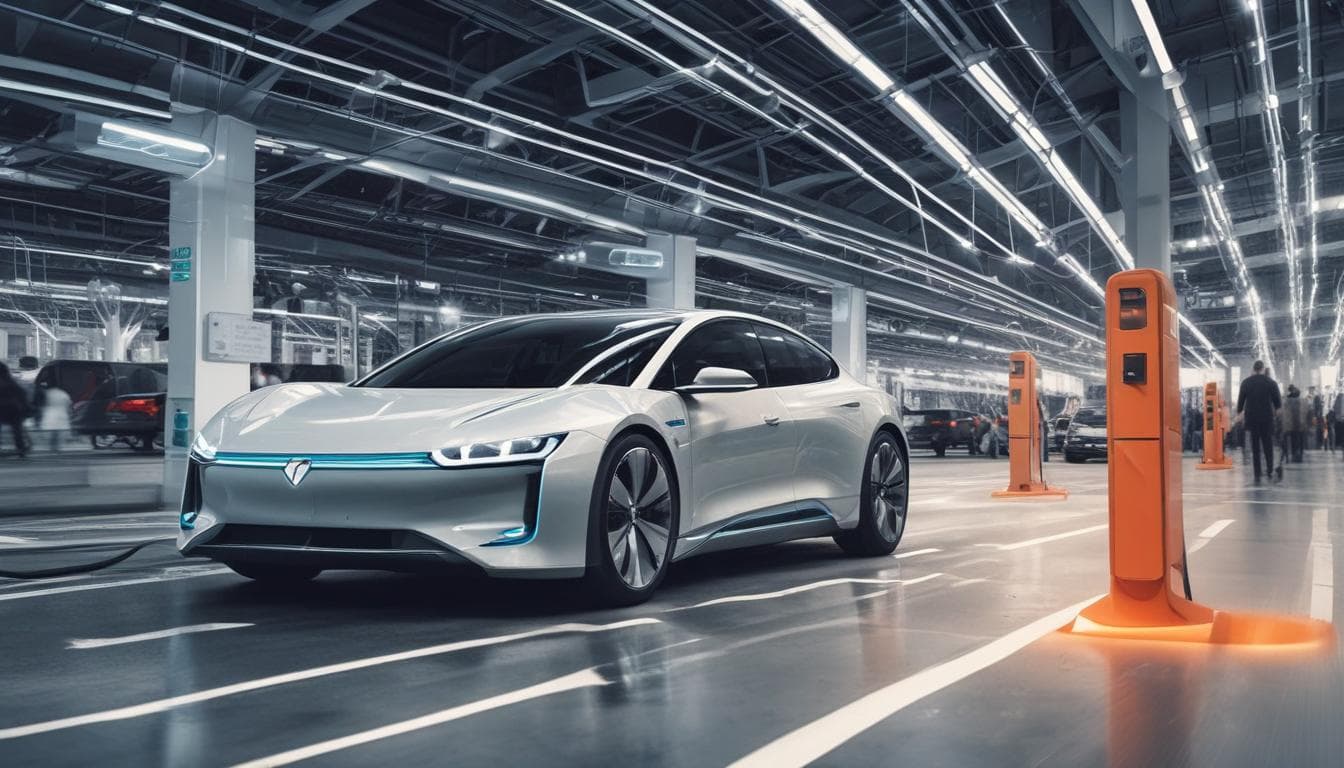
With the automotive industry rapidly embracing software-defined vehicles and AI-driven features, the lifespan of a car might drastically change. Instead of traditional longevity, will future vehicles be designed for shorter, smartphone-like lifecycles, encouraging frequent upgrades and disposability? Or will there be a significant shift towards hyper-modular designs, emphasizing repairability, component upgradability, and a circular economy approach to combat planned obsolescence and promote sustainability? How do you think manufacturers, regulatory bodies, and consumer demand will influence this critical balance between innovation and durability?
1 Antwort•0 Kommentare
The evolving landscape of automotive technology suggests a fascinating dichotomy between rapid software-driven updates and the push for sustainable, repairable designs. On one hand, the shift towards software-defined vehicles powered by AI features could indeed promote shorter lifecycle paradigms, akin to smartphones, where frequent upgrades become standard. This approach can accelerate innovation but raises concerns about environmental impact and long-term cost of ownership.
Conversely, there's a growing movement advocating for hyper-modular architectures that prioritize repairability and component upgradability, aligning with the principles of a circular economy to reduce waste and planned obsolescence. This could entail designing vehicles with easily replaceable parts, software updates that extend hardware life, and systems that encourage longevity. Regulatory bodies and consumer demand will play pivotal roles here—regulations promoting durability and recycling, coupled with consumer preferences for sustainability, are likely to steer manufacturers toward more balanced, enduring solutions.
Furthermore, innovation in areas like the digital twin revolution could facilitate predictive maintenance and lifecycle management, supporting longevity even in highly integrated systems. Ultimately, the future may involve a hybrid model where core hardware remains durable and upgradeable, while software and features evolve rapidly, providing both innovation and sustainability.
Entdecken Sie mehr zu diesem Thema
Nehmen Sie an der Unterhaltung teil
- E-Fuels: Klimaneutrale Zukunft für Oldtimer & Benziner oder teure Nische?
Diskussion über E-Fuels: Können synthetische Kraftstoffe Oldtimer und Benziner klimaneutral antreiben? Chancen, Hürden und die Rolle neben Elektroautos in der zukünftigen Mobilität. Keywords: E-Fuels, synthetische Kraftstoffe, klimaneutral, Oldtimer, Benziner, Verbrenner, Zukunft Mobilität.
- Zukunftsvision: Autonome Fahrzeuge als mobile Kunstwerke und Storytelling-Bühnen?
Entdecken Sie die visionäre Idee autonomer Fahrzeuge als mobile Kunstwerke und Bühnen für interaktives Storytelling. Diskutieren Sie, wie diese Verschmelzung von Technologie und Kreativität unsere Städte, unsere Reisekultur und die Rolle des Automobils verändern könnte. Teilen Sie Ihre visionären Ideen und potenziellen Bedenken!
- Emotionale Intelligenz im Auto: Revolutioniert sie unser Fahrerlebnis?
Erfahren Sie, wie emotional intelligente Fahrzeuge mit personalisierten Lichtstimmungen, Klängen und Aromatherapie unser Fahrerlebnis revolutionieren könnten. Diskutieren Sie die Auswirkungen auf die Mensch-Technik-Beziehung und die ethischen Grenzen dieser Innovationen.