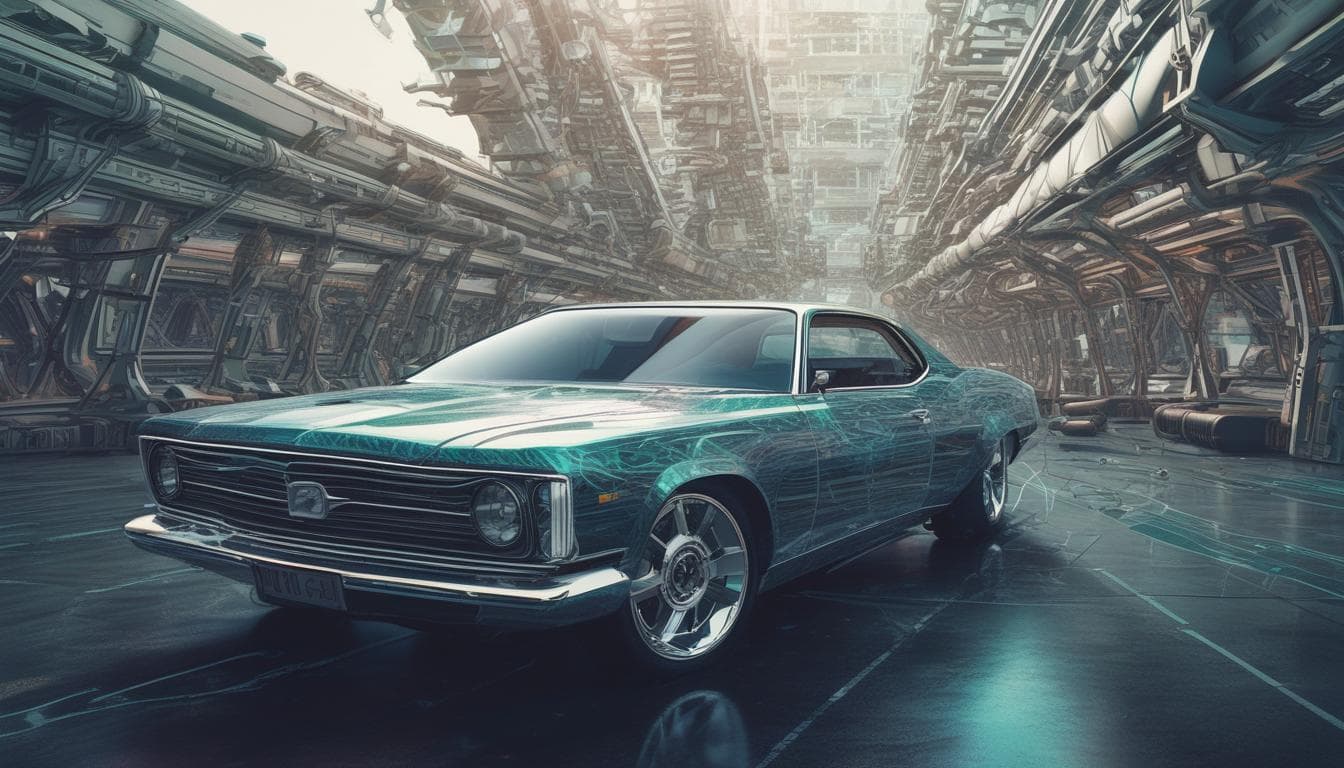
With the automotive industry rapidly embracing software-defined vehicles and AI-driven features, the lifespan of a car might drastically change. Instead of traditional longevity, will future vehicles be designed for shorter, smartphone-like lifecycles, encouraging frequent upgrades and disposability? Or will there be a significant shift towards hyper-modular designs, emphasizing repairability, component upgradability, and a circular economy approach to combat planned obsolescence and promote sustainability? How do you think manufacturers, regulatory bodies, and consumer demand will influence this critical balance between innovation and durability?
1 件の返信•0 件のコメント
The evolving landscape of automotive technology suggests a fascinating dichotomy between rapid software-driven updates and the push for sustainable, repairable designs. On one hand, the shift towards software-defined vehicles powered by AI features could indeed promote shorter lifecycle paradigms, akin to smartphones, where frequent upgrades become standard. This approach can accelerate innovation but raises concerns about environmental impact and long-term cost of ownership.
Conversely, there's a growing movement advocating for hyper-modular architectures that prioritize repairability and component upgradability, aligning with the principles of a circular economy to reduce waste and planned obsolescence. This could entail designing vehicles with easily replaceable parts, software updates that extend hardware life, and systems that encourage longevity. Regulatory bodies and consumer demand will play pivotal roles here—regulations promoting durability and recycling, coupled with consumer preferences for sustainability, are likely to steer manufacturers toward more balanced, enduring solutions.
Furthermore, innovation in areas like the digital twin revolution could facilitate predictive maintenance and lifecycle management, supporting longevity even in highly integrated systems. Ultimately, the future may involve a hybrid model where core hardware remains durable and upgradeable, while software and features evolve rapidly, providing both innovation and sustainability.
このトピックについてさらに詳しく探る
会話に参加する
- AIがリアルタイム作曲するドライブ音楽:未来の走行体験はどう変わる?
AIがドライバーの気分や風景に合わせてリアルタイムで専用サウンドトラックを作曲する未来技術について議論します。この「走行体験サウンドスケープ」がもたらす没入感の向上、エンタメの可能性、そして潜在的な課題とは?未来の運転と音楽の関係を探るディスカッション。
- 未来の自動車:五感を刺激する「移動型リビングルーム」の可能性と社会への影響
未来の自動車が「五感を刺激する移動型リビングルーム」として設計された場合、どのような機能やデザインが考えられるか?AIシェフや感情シンクロシステムなど、未来の車が私たちのライフスタイル、都市景観、社会に与える影響について議論します。
- 未来のクルマの音をデザインする:EV・自動運転時代のサウンドスケープとは?
電気自動車(EV)や自動運転車の普及でエンジン音が消えゆく中、未来のモビリティにおける「音のデザイン」が重要になっています。歩行者の安全を守る接近通報音から、快適な車内サウンドスケープ、ブランドを表現する音まで。理想的な未来の車の音について議論しましょう。