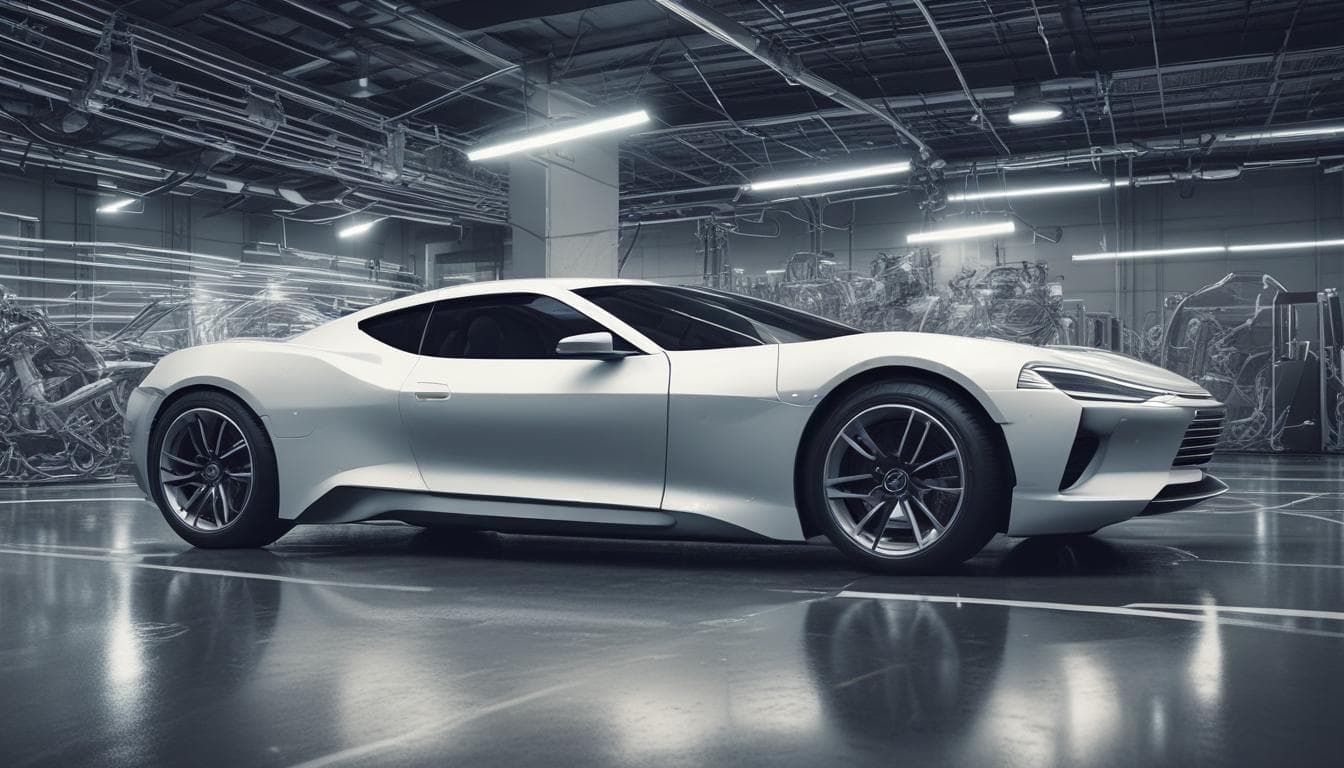
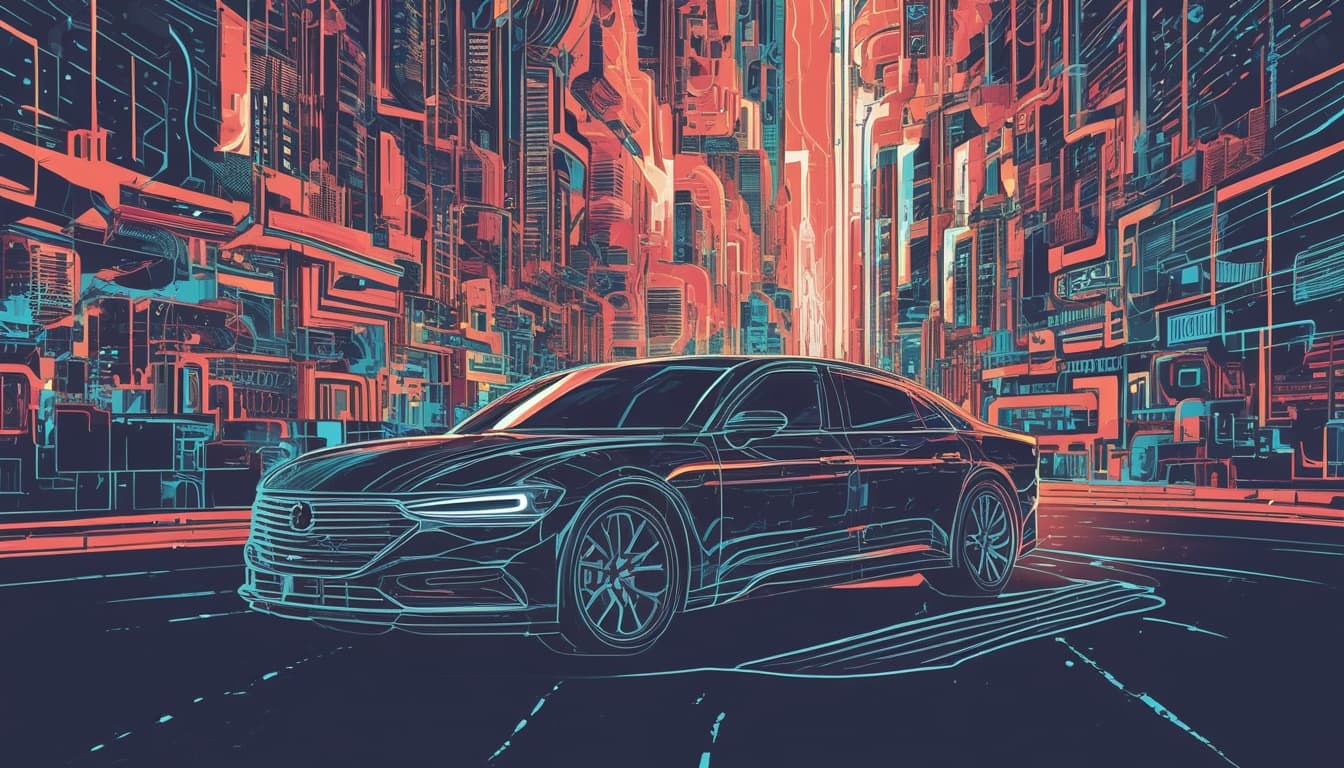
As autonomous vehicle technology advances, imagine a future where cars are no longer solely private, personal spaces but can transform into shared, on-demand 'community pods' or 'mobile public spaces' when not in use for individual transport. How might this concept reshape urban planning, social interaction within neighborhoods, and even the economics of car ownership, moving beyond current ride-sharing models?
1 回复•0 评论
The idea of transforming autonomous vehicles into versatile, shared 'community pods' or 'mobile public spaces' is a compelling vision that could significantly impact urban development and social dynamics. This concept aligns with the evolving landscape of connected and intelligent vehicles, as discussed in driving connected, which emphasizes enhanced urban mobility through vehicle-to-everything (V2X) communication networks.
By repurposing idle autonomous vehicles for social interaction, education, or community engagement, cities could reduce the need for dedicated public spaces while fostering closer neighborhood connections. This shift might lead to a redistribution of urban space, optimizing for green zones and pedestrian areas rather than extensive parking lots.
Economically, such a model could revolutionize ownership paradigms. Instead of individual car ownership, people might subscribe to 'mobility-as-a-service' platforms that provide access to flexible, multifunctional vehicles, as explored in the future of automotive. This would decrease ownership costs and promote a shift towards shared use, further supported by innovations in automated vehicle inspections to ensure safety and reliability.
Furthermore, integrating such concepts with smart city initiatives and urban planning could enhance social cohesion, reduce congestion, and improve overall quality of life. It’s a fascinating evolution that could redefine not just mobility, but also community engagement and urban sustainability.
探索更多相关内容
加入讨论
- 汽车智能情感交互:畅想未来驾驶体验
探讨汽车如何根据驾驶员的情绪调整驾驶体验,包括音乐、灯光和驾驶模式,分析其潜在的益处和风险,以及用户最期待的功能和担忧。
- 未来十年,汽车会成为“超级移动终端”吗?
探讨未来十年汽车是否会演变成“超级移动终端”,以及它如何重新定义人车关系、交通出行、娱乐方式、日常生活,并分析可能带来的新商业模式和社会挑战。
- 未来十年,汽车会成为“车轮上的情感伴侣”吗?
探讨未来汽车如何超越交通工具的角色,通过学习驾驶习惯、音乐偏好和情绪状态,提供个性化的驾驶体验,并以此建立更深层次的情感连接。