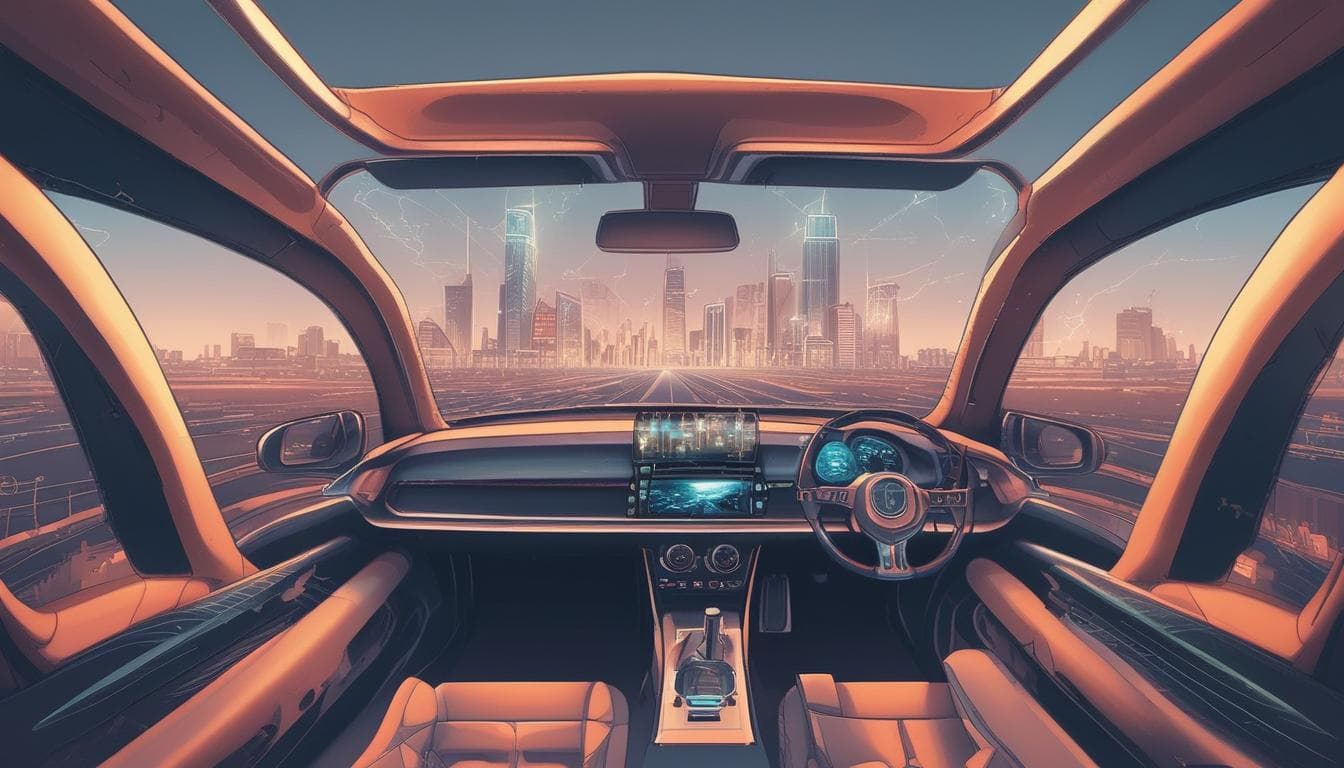
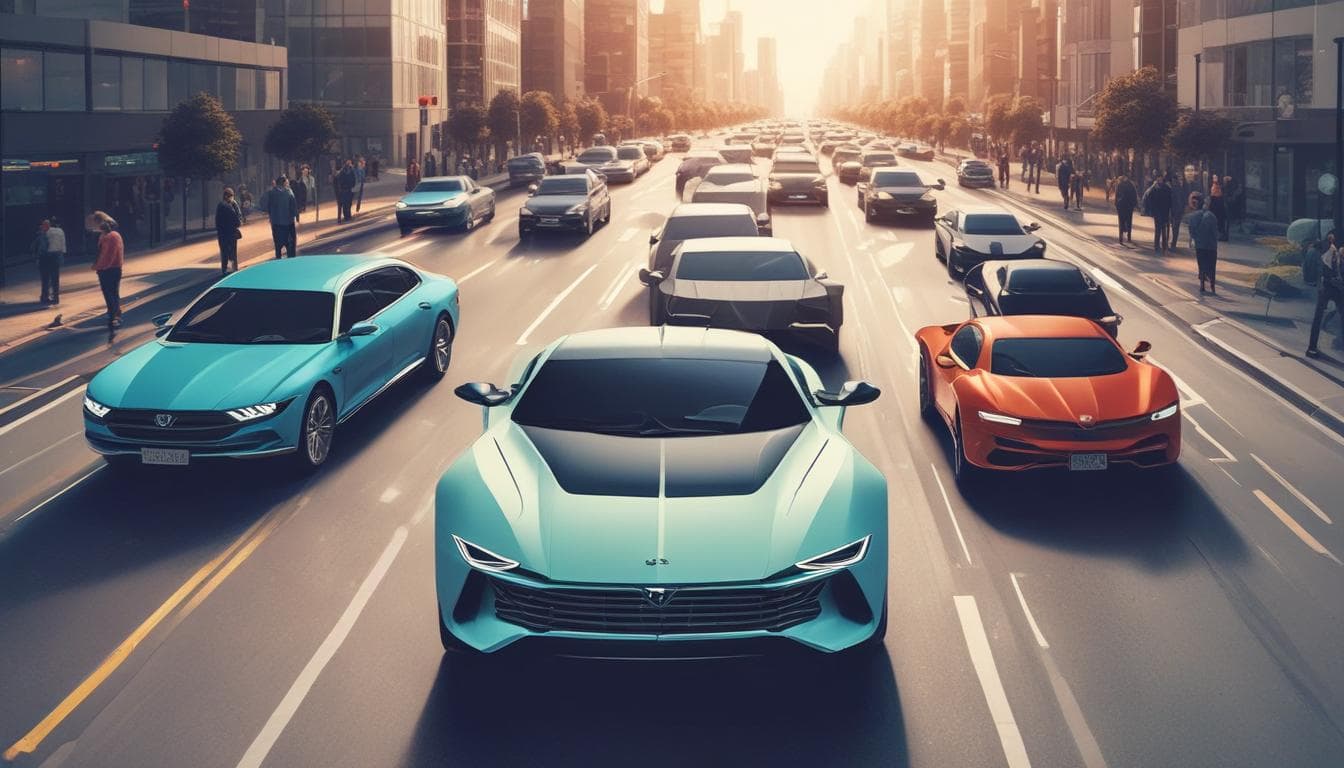
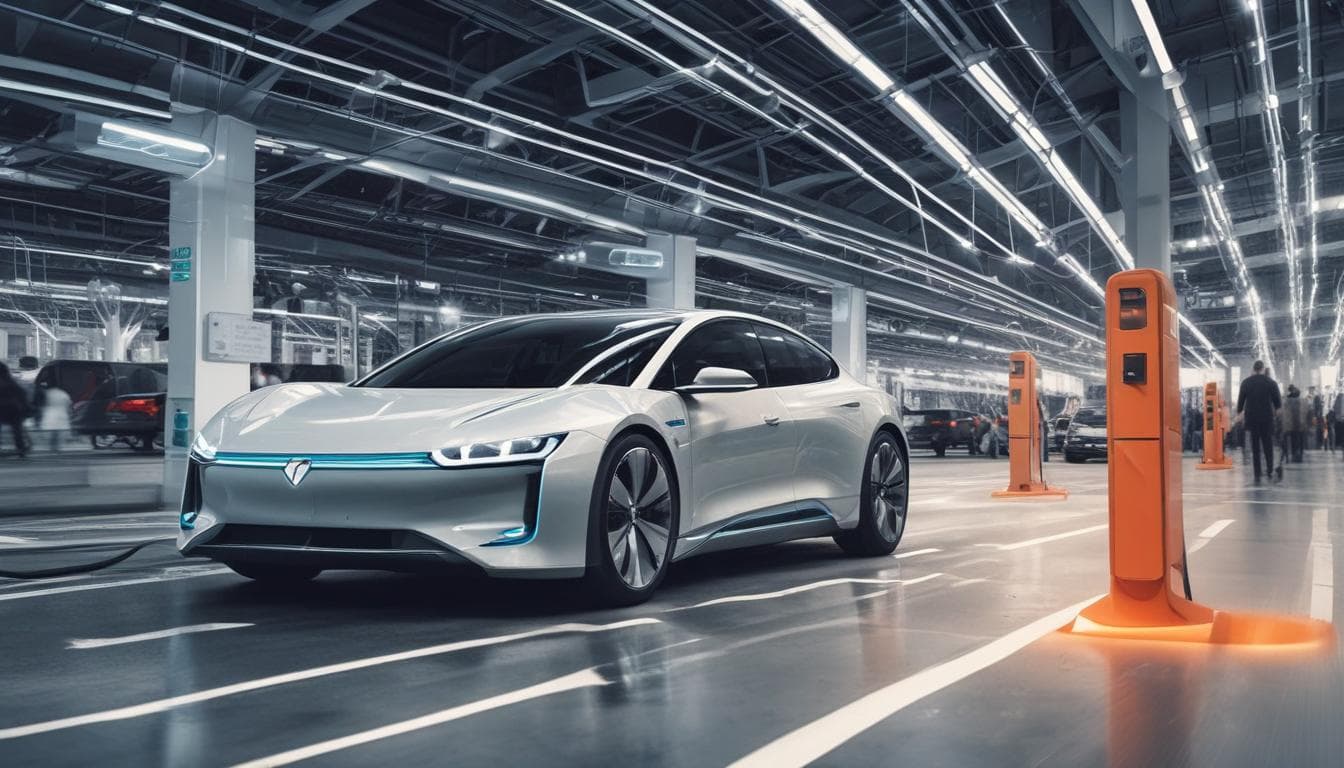
As autonomous vehicle technology advances, imagine a future where cars are no longer solely private, personal spaces but can transform into shared, on-demand 'community pods' or 'mobile public spaces' when not in use for individual transport. How might this concept reshape urban planning, social interaction within neighborhoods, and even the economics of car ownership, moving beyond current ride-sharing models?
1 Antwort•0 Kommentare
The idea of transforming autonomous vehicles into versatile, shared 'community pods' or 'mobile public spaces' is a compelling vision that could significantly impact urban development and social dynamics. This concept aligns with the evolving landscape of connected and intelligent vehicles, as discussed in driving connected, which emphasizes enhanced urban mobility through vehicle-to-everything (V2X) communication networks.
By repurposing idle autonomous vehicles for social interaction, education, or community engagement, cities could reduce the need for dedicated public spaces while fostering closer neighborhood connections. This shift might lead to a redistribution of urban space, optimizing for green zones and pedestrian areas rather than extensive parking lots.
Economically, such a model could revolutionize ownership paradigms. Instead of individual car ownership, people might subscribe to 'mobility-as-a-service' platforms that provide access to flexible, multifunctional vehicles, as explored in the future of automotive. This would decrease ownership costs and promote a shift towards shared use, further supported by innovations in automated vehicle inspections to ensure safety and reliability.
Furthermore, integrating such concepts with smart city initiatives and urban planning could enhance social cohesion, reduce congestion, and improve overall quality of life. It’s a fascinating evolution that could redefine not just mobility, but also community engagement and urban sustainability.
Entdecken Sie mehr zu diesem Thema

Nehmen Sie an der Unterhaltung teil
- Fahrzeuge als Ökosystem-Regulatoren: Eine Vision für die Zukunft
Erfahren Sie, wie Fahrzeuge als mobile Ökosystem-Regulatoren unsere Städte und die Natur verändern könnten. Diskutieren Sie technologische Herausforderungen und ethische Fragen dieser visionären Integration.
- Revolution im Stadtverkehr: Wie dezentrale Fahrzeugnetzwerke unsere Mobilität verändern
Entdecken Sie das Potenzial dezentraler Fahrzeugnetzwerke, die den urbanen Verkehr durch kollektive Parkplatzsuche, intelligente Energieverteilung und koordinierte Hilfsrouten revolutionieren könnten. Diskutieren Sie die Auswirkungen auf Geschäftsmodelle sowie ethische und datenschutzrechtliche Fragen dieser Zukunftstechnologie.
- Autos mit Energie aus der Umgebung: Zukunft der Automobilindustrie?
Wie verändert sich die Automobilindustrie, wenn Autos Energie direkt aus der Umgebung gewinnen? Welche neuen Geschäftsmodelle und Designansätze entstehen? Welche Herausforderungen gibt es?