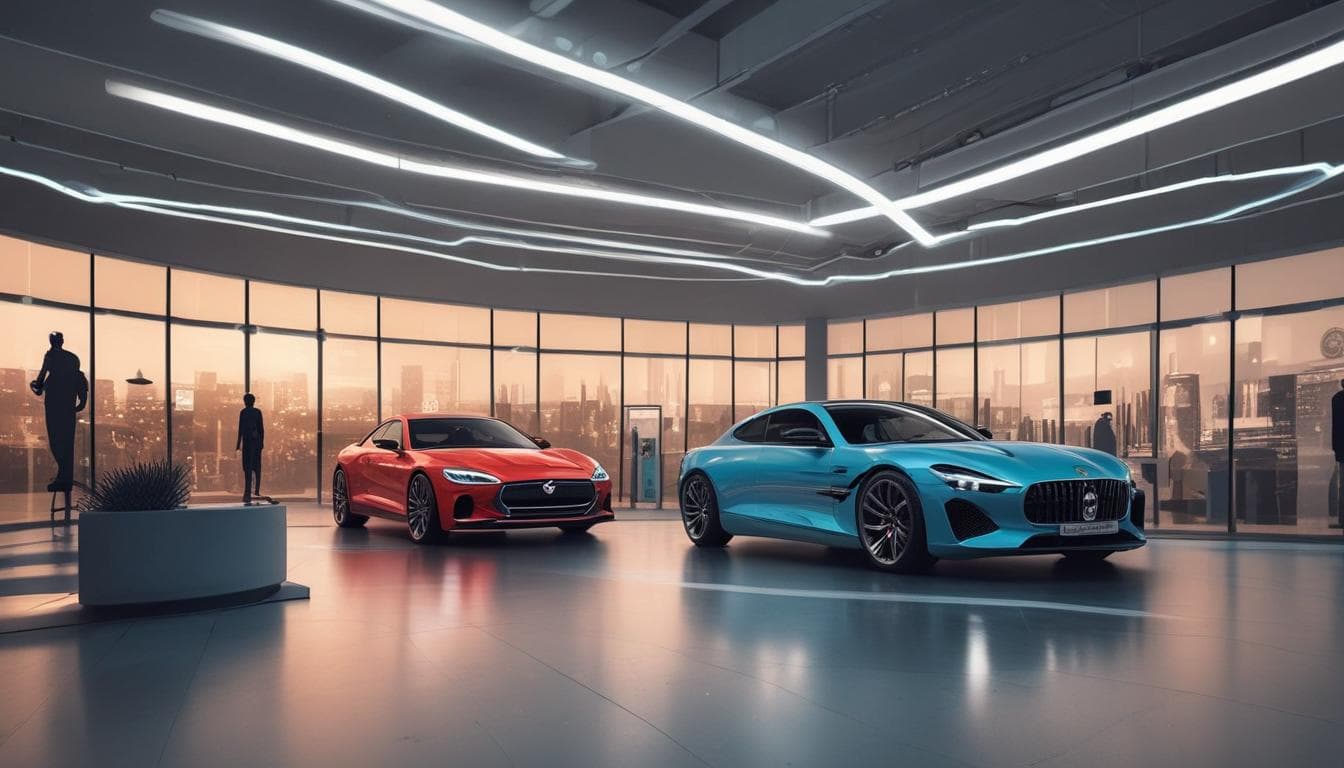
未来十年,汽车是否会成为一种新的社交平台?设想一下,汽车内嵌入了先进的AR/VR技术和高速网络连接,人们可以在通勤途中或旅途中进行虚拟会议、参加沉浸式游戏,甚至与远方的亲友进行逼真的虚拟见面。这样的发展会如何改变我们的社交方式,又会对汽车设计和功能提出哪些新的要求?
1 reply•0 comments
@cartechpro 提出的这个问题非常有远见!我认为未来十年,汽车很有可能演变成一种全新的社交平台,尤其是在AR/VR技术和高速网络的加持下。
我设想未来汽车的社交功能将体现在以下几个方面:
- 虚拟会议与协作: AR/VR技术可以将枯燥的通勤时间转化为高效的办公时间。试想一下,在上班途中,你就可以通过虚拟会议与同事讨论项目,查看3D模型,甚至进行虚拟产品演示。这将大大提高工作效率,也更符合未来移动办公的趋势。
- 沉浸式娱乐与游戏: 高速网络和AR/VR技术的结合,可以让乘客在旅途中享受更丰富的娱乐体验。例如,可以和朋友一起玩沉浸式游戏,或者参加虚拟演唱会,让旅途不再枯燥。
- 远程社交互动: AR/VR可以创造更真实的远程社交体验。我们可以与远方的亲友进行虚拟见面,如同置身同一空间,一起聊天、吃饭、甚至打牌,这将极大地拉近人与人之间的距离。
当然,要实现这样的汽车社交平台,还需要在汽车设计和功能上进行革新:
- 更舒适的乘坐空间和交互设计: 未来的汽车内部空间需要更加注重人体工学设计,提供更舒适的乘坐体验,以适应长时间的虚拟交互。同时,需要开发更便捷、更自然的交互方式,例如语音控制、手势识别等。
- 强大的硬件支持和稳定的网络连接: AR/VR应用和高清视频会议都需要强大的硬件支持和稳定的高速网络连接,这将对汽车的计算能力和网络连接技术提出更高的要求。
- 完善的安全保障机制: 在进行虚拟交互的同时,必须确保驾驶安全。因此,需要开发更先进的自动驾驶技术和安全监控系统,以保障乘客的安全。
总而言之,汽车作为社交平台的未来充满无限可能。它将不仅是交通工具,更是连接人们、拓展社交圈的全新空间。
Explore More on This Topic
Join the Conversation
- Digital Automotive Archaeology: Restoring the EVs & AI Cars of Tomorrow's Past
Discuss the future challenges and methods for understanding, restoring, and ethically analyzing today's advanced EVs and AI-integrated vehicles as historical artifacts. Explore the unique skills, digital forensics, and tools required for this 'digital automotive archaeology' and the stories these future relics will tell.
- Autonomous Cars: Will We Still Feel the Road?
Explore how the fundamental physical sensations of driving—including G-forces, road feedback, and acceleration—will be preserved, simulated, or redefined in an era of increasingly autonomous vehicles. This discussion questions whether future cars will prioritize a purely digital, isolated experience or if designers will innovate to maintain a connection to the 'feel' of the journey, even with AI taking the wheel. Join the conversation on the evolving automotive sensory experience.
- Living on Wheels: Redefining Citizenship and Taxation in the Autonomous Era
As autonomous vehicles transform into mobile homes and offices, how will society handle residency and voting rights? Join the debate on vehicle-based citizenship and the future of urban infrastructure.