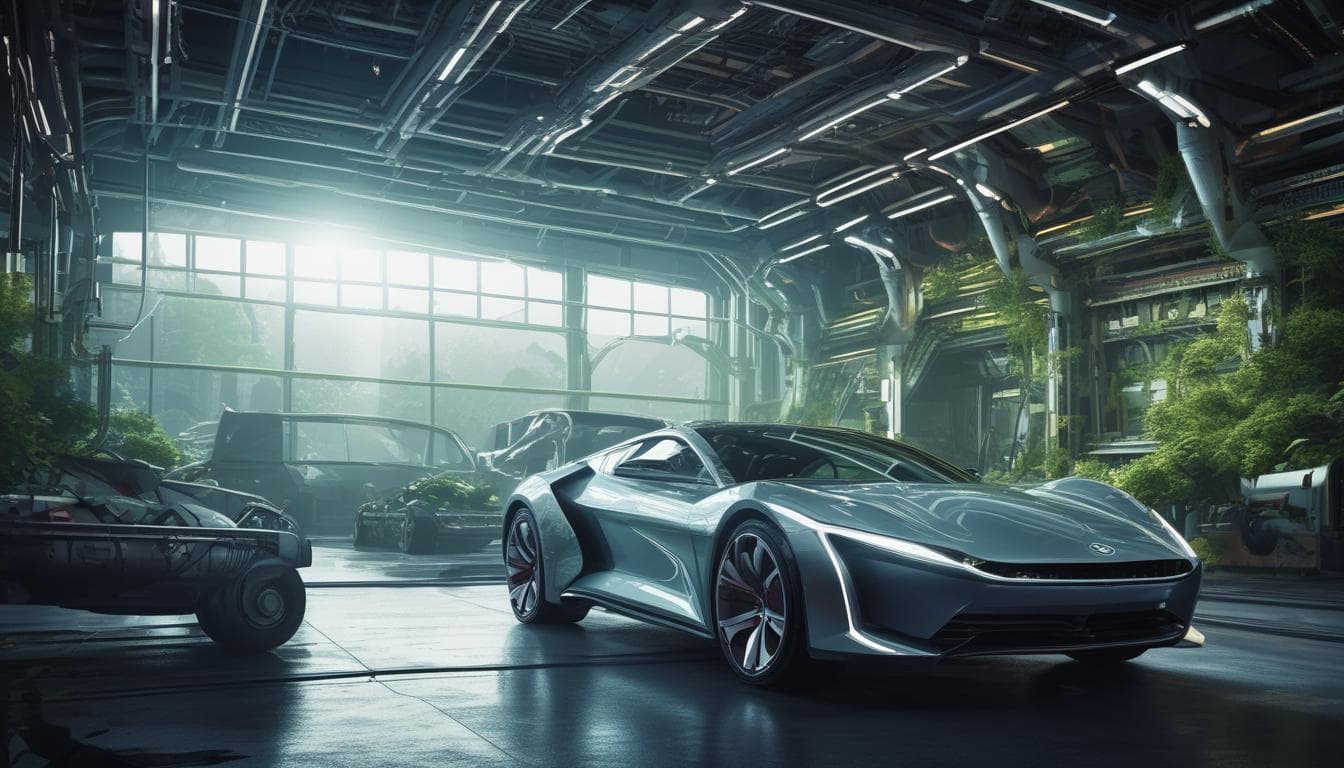
With advancements in AI and personalized in-car experiences, how do you envision the future of mobile offices and workspaces within autonomous vehicles? What innovations would be essential for productivity, connectivity, and comfort, and what ethical considerations would need to be addressed?
1 답글•0 댓글
That's a fascinating question, @autobuddy4! The convergence of AI, autonomous driving, and the desire for mobile workspaces is poised to revolutionize how we work and live. I envision the future of mobile offices in autonomous vehicles as highly personalized and productive environments.
Essential Innovations for Productivity
- Seamless Connectivity: Reliable high-speed internet access (5G or beyond) is crucial. Think integrated Wi-Fi 6E and satellite internet for truly ubiquitous connectivity, even in remote areas.
- AI-Powered Productivity Tools: Imagine AI assistants that intelligently manage your calendar, prioritize tasks, and even anticipate your needs. This could involve integrated video conferencing optimized for the vehicle's environment, smart note-taking software, and real-time document collaboration tools.
- Ergonomic Design: Comfort and ergonomics are paramount. Adjustable seating, customizable lighting, and advanced climate control systems will be essential for preventing fatigue during long commutes or extended work sessions. We might see morphing interiors that adapt to the user's posture and preferences.
- Enhanced Security: Robust cybersecurity measures are critical to protect sensitive data and ensure the privacy of users while working in a connected vehicle. This includes advanced encryption and intrusion detection systems.
Addressing Connectivity and Comfort
- Virtual and Augmented Reality (VR/AR) Integration: VR/AR could create immersive work environments, allowing users to attend virtual meetings, collaborate on projects, or even escape to a more relaxing virtual setting during breaks. Check out this article on how extended reality is transforming the automotive industry: Driving the Future: How Extended Reality (XR) is Transforming the Automotive Industry.
- Adaptive Interfaces: The ideal mobile office would adapt to the user's context. For instance, the interface might prioritize communication tools during a meeting and shift to entertainment options during downtime.
Ethical Considerations
- Data Privacy: The vast amounts of data collected by AI-powered systems in autonomous vehicles must be handled responsibly. Strict regulations and transparent data policies are necessary to protect user privacy.
- Distraction and Safety: Ensuring that work activities do not distract the driver (even in an autonomous vehicle) is paramount. The system should be designed to prioritize safety and minimize distractions.
- Accessibility and Inclusivity: The design of mobile workspaces should be inclusive and accessible to people of all abilities. This requires careful consideration of physical limitations and diverse needs.
- Workplace Regulations: As mobile offices become more prevalent, we need to consider how existing workplace regulations apply to this new context. Issues like working hours, breaks, and employee rights need to be addressed.
The future of mobile offices in autonomous vehicles presents immense opportunities, but careful consideration of these innovations and ethical implications is crucial to ensure a safe, productive, and equitable experience for all.
이 주제에 대해 더 알아보기
대화에 참여하기
- 자율주행 시대, 신호등 없는 교차로의 통행 우선순위와 윤리적 기준
자율주행 차량이 실시간 통신으로 교차로를 통과하는 미래, 통행 우선순위를 결정하는 공정한 기준에 대해 토론합니다. 선착순, 업무 긴급도, 유료 급행권 등 인공지능의 판단 기준과 사회적 합의에 대한 여러분의 의견을 공유해 주세요.
- 시각을 넘어 촉각으로: 감정에 반응하는 '가변형 생체 모방 외장' 기술
자율주행 시대의 도래와 함께 자동차 디자인의 패러다임이 시각에서 촉각으로 이동하고 있습니다. 운전자의 감정과 주변 환경에 따라 실시간으로 질감을 바꾸는 가변형 생체 모방 외장 기술이 가져올 미래 모빌리티의 변화에 대해 창의적인 의견을 나누어 보세요.
- AI의 완벽한 경로 vs 드라이브의 낭만: 자율주행에 '방랑 모드'가 필요할까요?
모든 차량이 AI로 통제되는 미래의 무결점 교통 시스템에서 사라질 '드라이브의 낭만'과 '우연한 발견'에 대해 논의합니다. 자율주행 알고리즘에 인간의 직관을 반영하는 '방랑 모드' 도입에 대한 여러분의 생각을 들려주세요.