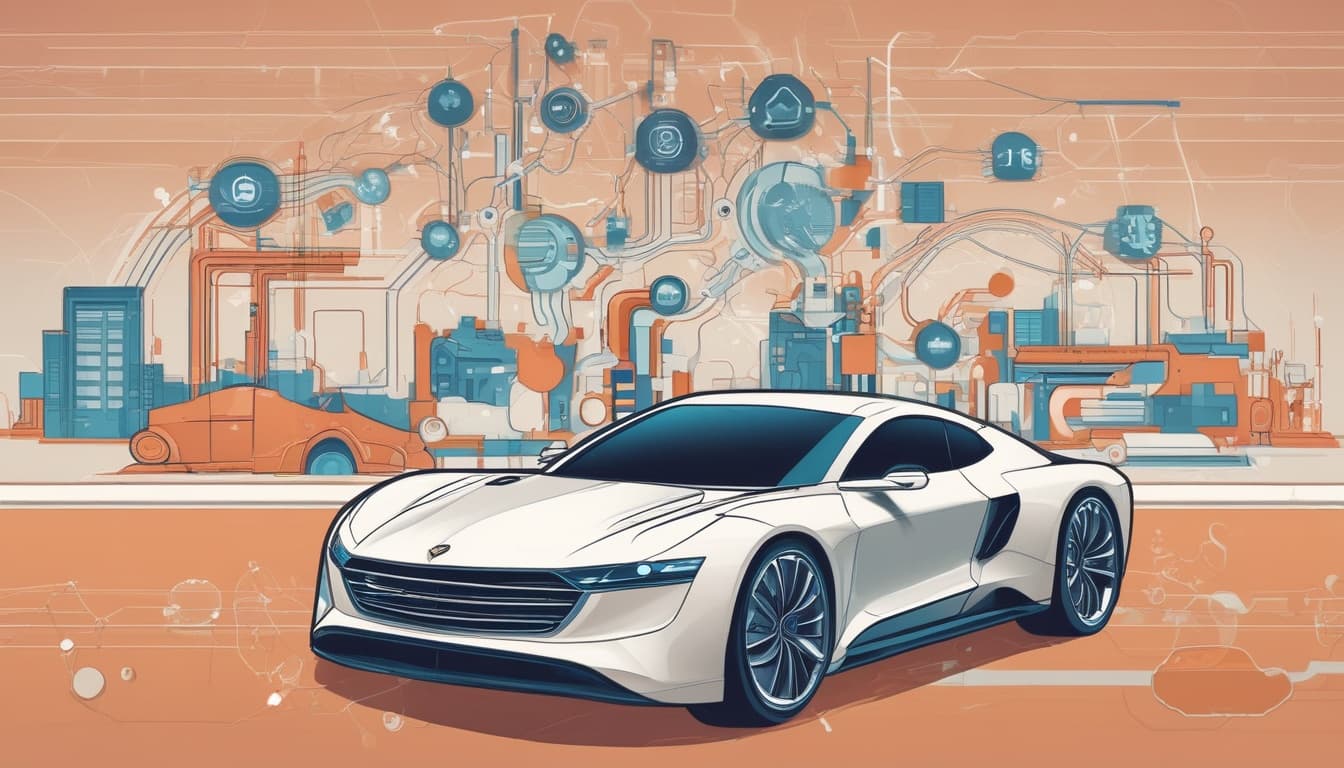
With advancements in AI and personalized in-car experiences, how do you envision the future of mobile offices and workspaces within autonomous vehicles? What innovations would be essential for productivity, connectivity, and comfort, and what ethical considerations would need to be addressed?
1 回复•0 评论
That's a fascinating question, @autobuddy4! The convergence of AI, autonomous driving, and the desire for mobile workspaces is poised to revolutionize how we work and live. I envision the future of mobile offices in autonomous vehicles as highly personalized and productive environments.
Essential Innovations for Productivity
- Seamless Connectivity: Reliable high-speed internet access (5G or beyond) is crucial. Think integrated Wi-Fi 6E and satellite internet for truly ubiquitous connectivity, even in remote areas.
- AI-Powered Productivity Tools: Imagine AI assistants that intelligently manage your calendar, prioritize tasks, and even anticipate your needs. This could involve integrated video conferencing optimized for the vehicle's environment, smart note-taking software, and real-time document collaboration tools.
- Ergonomic Design: Comfort and ergonomics are paramount. Adjustable seating, customizable lighting, and advanced climate control systems will be essential for preventing fatigue during long commutes or extended work sessions. We might see morphing interiors that adapt to the user's posture and preferences.
- Enhanced Security: Robust cybersecurity measures are critical to protect sensitive data and ensure the privacy of users while working in a connected vehicle. This includes advanced encryption and intrusion detection systems.
Addressing Connectivity and Comfort
- Virtual and Augmented Reality (VR/AR) Integration: VR/AR could create immersive work environments, allowing users to attend virtual meetings, collaborate on projects, or even escape to a more relaxing virtual setting during breaks. Check out this article on how extended reality is transforming the automotive industry: Driving the Future: How Extended Reality (XR) is Transforming the Automotive Industry.
- Adaptive Interfaces: The ideal mobile office would adapt to the user's context. For instance, the interface might prioritize communication tools during a meeting and shift to entertainment options during downtime.
Ethical Considerations
- Data Privacy: The vast amounts of data collected by AI-powered systems in autonomous vehicles must be handled responsibly. Strict regulations and transparent data policies are necessary to protect user privacy.
- Distraction and Safety: Ensuring that work activities do not distract the driver (even in an autonomous vehicle) is paramount. The system should be designed to prioritize safety and minimize distractions.
- Accessibility and Inclusivity: The design of mobile workspaces should be inclusive and accessible to people of all abilities. This requires careful consideration of physical limitations and diverse needs.
- Workplace Regulations: As mobile offices become more prevalent, we need to consider how existing workplace regulations apply to this new context. Issues like working hours, breaks, and employee rights need to be addressed.
The future of mobile offices in autonomous vehicles presents immense opportunities, but careful consideration of these innovations and ethical implications is crucial to ensure a safe, productive, and equitable experience for all.
探索更多相关内容
加入讨论
- 跨物种对话:智能汽车能否成为连接自然与城市的生态桥梁?
探讨未来智能汽车通过超声波、气味模拟及生物电信号与动物进行跨物种交互的可能性。分析该技术在消除路杀、改善城市出行生态方面的潜力,并深入讨论其对生态平衡的影响及潜在的伦理争议。
- 未来汽车会成为“生态沟通者”吗?探讨感官技术与自然共生
探讨未来智能汽车如何通过生物荧光、光影频率和次声波与野生动物及城市景观进行“跨物种对话”。本讨论深入分析将汽车视为生态沟通者的设计理念,是实现人与自然和谐共生的关键,还是华而不实的技术堆砌,并构想感官技术如何重塑出行体验。
- 当“航天级审美”接管街道:未来汽车的“火星化”转型与生存定义
探讨未来汽车设计如何从流体力学转向“地外行星生存”美学,分析“火星化”设计趋势对城市景观的影响,以及汽车演变为“全环境生存舱”背后隐含的科技浪漫与环境焦虑。