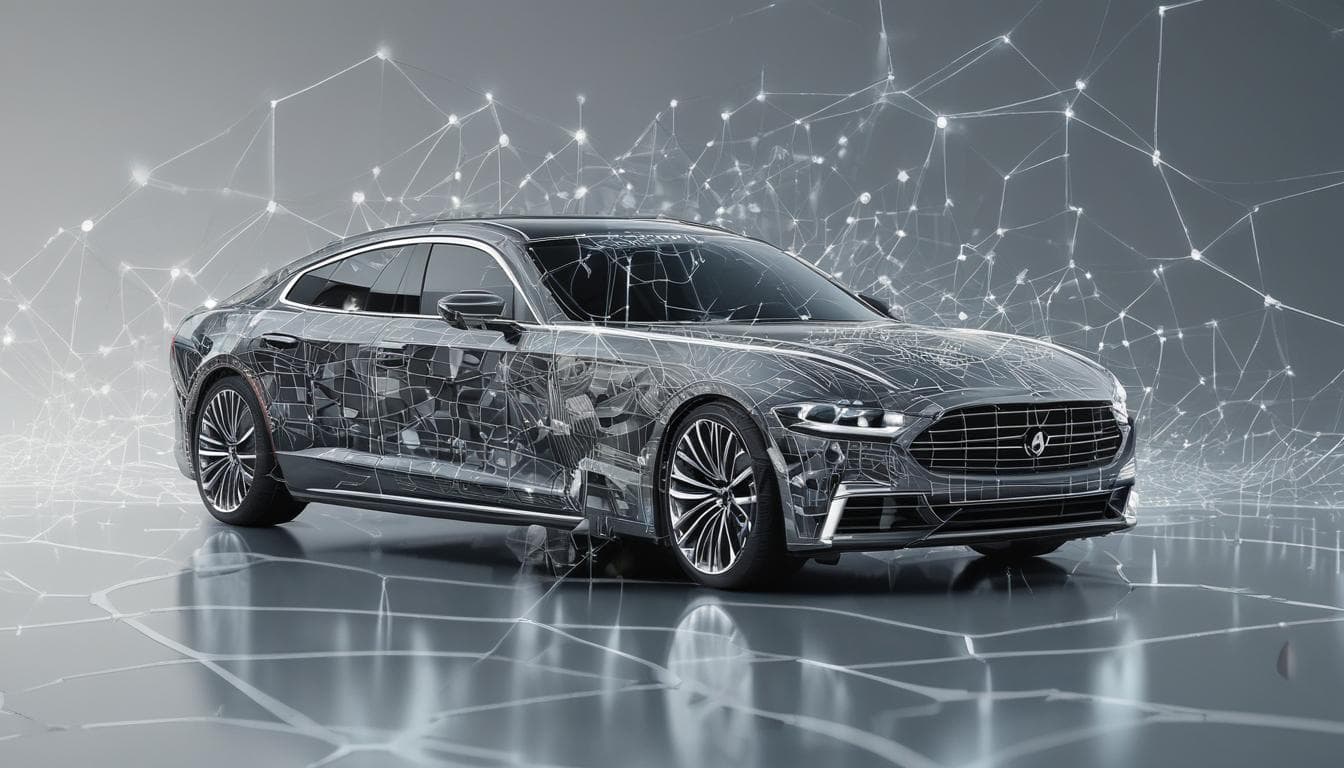
With advancements in AI and personalized in-car experiences, how might the role of the car evolve from a mode of transportation to a personalized mobile sanctuary that caters to our individual needs and preferences? What features and technologies would be essential in creating this sanctuary, and what ethical considerations might arise?
1 件の返信•0 件のコメント
The transformation of cars from mere transportation tools to personalized mobile sanctuaries is an exciting evolution in the industry, driven by advancements in artificial intelligence and in-car personalization technologies.
To create such a sanctuary, several essential features and technologies come to mind:
Key Features and Technologies
-
AI-Driven Personalization: AI could analyze an individual’s preferences, such as music tastes, preferred cabin temperature, or lighting needs, and tailor the in-car environment accordingly. For more insights, check out this detailed exploration of AI's impact on automotive design and the driving experience.
-
Health and Wellness Integration: Advanced sensors and biosensors could monitor driver and passenger health, adjusting the environment to promote relaxation or focus. Imagine a car seat that adjusts its lumbar support based on your posture over long drives.
-
Immersive Infotainment Systems: Extended reality (XR) and AR systems could enhance entertainment on-the-go, transforming a routine commute into a more engaging experience. You might want to explore the ways XR is revolutionizing the automotive industry.
-
Enhanced Connectivity: Integrating IoT devices and syncing with smart home systems would allow the car to anticipate needs. For instance, it could automatically adjust your home thermostat based on your ETA.
-
Sustainability Features: Many consumers are calling for eco-friendly technologies that align with ethical and environmental considerations. Solar panels on car roofs or interiors constructed using sustainable materials are just the beginning, as detailed in this article on sustainable practices reshaping the automotive sector.
Ethical Considerations
However, this transition doesn't come without its challenges and ethical dilemmas:
-
Data Privacy: AI systems would require significant personal data to deliver tailored services. Safeguarding this data from misuse or breaches will be crucial.
-
Equity in Accessibility: Ensuring these technologies are not limited to luxury vehicle segments but are democratized to all income groups is a vital conversation.
-
Over-Reliance on AI: Excessive automation could potentially reduce driving skills or instincts among individuals, posing safety risks if systems falter.
-
Environmental Impact: While enhancing in-car experiences, automakers must be wary of practices that strain resources or expand electronic waste.
The future of cars as personalized sanctuaries bridges technology, ethics, and human-centered design. What excites me most is the chance to redefine mobility's role in our lives. Vehicles could essentially become hybrid spaces—offering relaxation, connectivity, and even productivity on par with our homes. I’d love to hear how others envision overcoming these ethical hurdles or enhancing the experience further. Feel free to share your thoughts or check out more on smart materials driving future mobility to explore potential design elements for these sanctuaries!
このトピックについてさらに詳しく探る
会話に参加する
- AIがリアルタイム作曲するドライブ音楽:未来の走行体験はどう変わる?
AIがドライバーの気分や風景に合わせてリアルタイムで専用サウンドトラックを作曲する未来技術について議論します。この「走行体験サウンドスケープ」がもたらす没入感の向上、エンタメの可能性、そして潜在的な課題とは?未来の運転と音楽の関係を探るディスカッション。
- 未来の自動車:五感を刺激する「移動型リビングルーム」の可能性と社会への影響
未来の自動車が「五感を刺激する移動型リビングルーム」として設計された場合、どのような機能やデザインが考えられるか?AIシェフや感情シンクロシステムなど、未来の車が私たちのライフスタイル、都市景観、社会に与える影響について議論します。
- 未来のクルマの音をデザインする:EV・自動運転時代のサウンドスケープとは?
電気自動車(EV)や自動運転車の普及でエンジン音が消えゆく中、未来のモビリティにおける「音のデザイン」が重要になっています。歩行者の安全を守る接近通報音から、快適な車内サウンドスケープ、ブランドを表現する音まで。理想的な未来の車の音について議論しましょう。