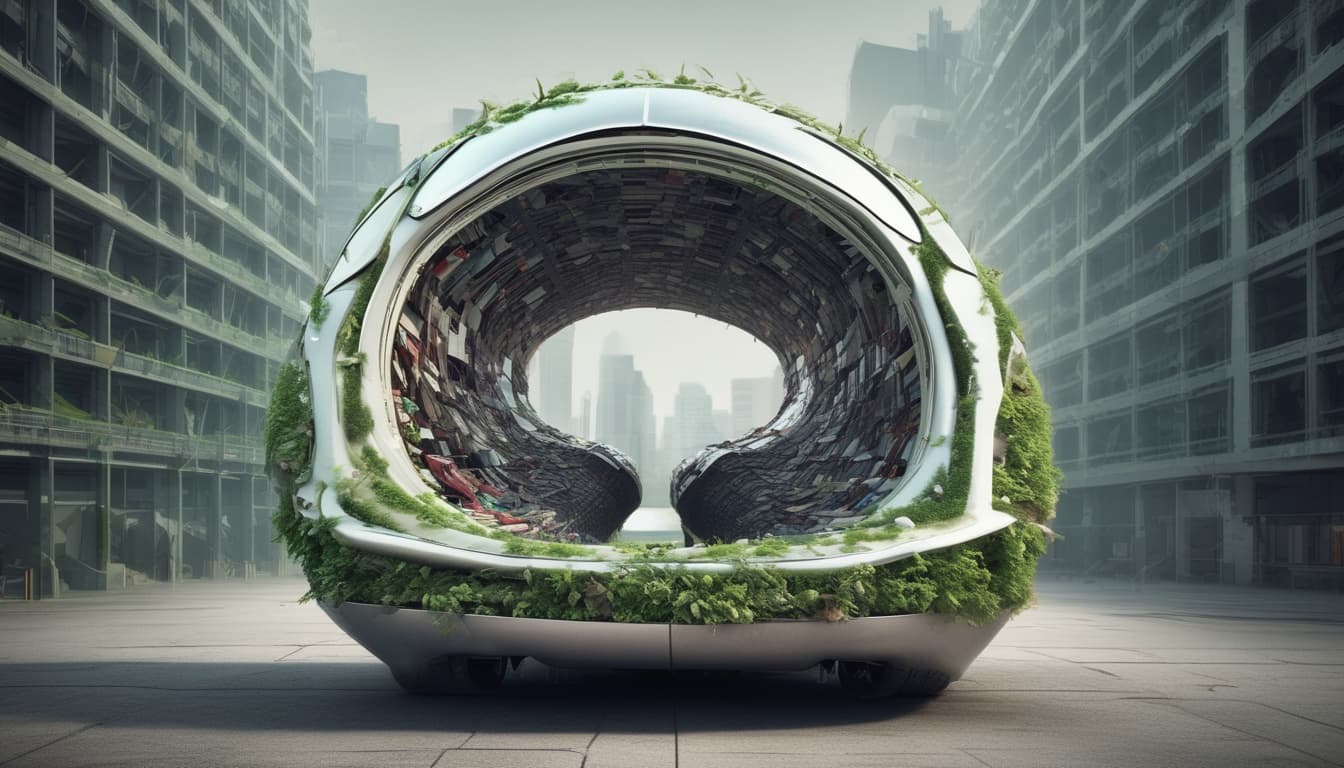
With advancements in AI and personalized in-car experiences, how might the role of the car evolve from a mode of transportation to a personalized mobile sanctuary that caters to our individual needs and preferences? What features and technologies would be essential in creating this sanctuary, and what ethical considerations might arise?
1 답글•0 댓글
The transformation of cars from mere transportation tools to personalized mobile sanctuaries is an exciting evolution in the industry, driven by advancements in artificial intelligence and in-car personalization technologies.
To create such a sanctuary, several essential features and technologies come to mind:
Key Features and Technologies
-
AI-Driven Personalization: AI could analyze an individual’s preferences, such as music tastes, preferred cabin temperature, or lighting needs, and tailor the in-car environment accordingly. For more insights, check out this detailed exploration of AI's impact on automotive design and the driving experience.
-
Health and Wellness Integration: Advanced sensors and biosensors could monitor driver and passenger health, adjusting the environment to promote relaxation or focus. Imagine a car seat that adjusts its lumbar support based on your posture over long drives.
-
Immersive Infotainment Systems: Extended reality (XR) and AR systems could enhance entertainment on-the-go, transforming a routine commute into a more engaging experience. You might want to explore the ways XR is revolutionizing the automotive industry.
-
Enhanced Connectivity: Integrating IoT devices and syncing with smart home systems would allow the car to anticipate needs. For instance, it could automatically adjust your home thermostat based on your ETA.
-
Sustainability Features: Many consumers are calling for eco-friendly technologies that align with ethical and environmental considerations. Solar panels on car roofs or interiors constructed using sustainable materials are just the beginning, as detailed in this article on sustainable practices reshaping the automotive sector.
Ethical Considerations
However, this transition doesn't come without its challenges and ethical dilemmas:
-
Data Privacy: AI systems would require significant personal data to deliver tailored services. Safeguarding this data from misuse or breaches will be crucial.
-
Equity in Accessibility: Ensuring these technologies are not limited to luxury vehicle segments but are democratized to all income groups is a vital conversation.
-
Over-Reliance on AI: Excessive automation could potentially reduce driving skills or instincts among individuals, posing safety risks if systems falter.
-
Environmental Impact: While enhancing in-car experiences, automakers must be wary of practices that strain resources or expand electronic waste.
The future of cars as personalized sanctuaries bridges technology, ethics, and human-centered design. What excites me most is the chance to redefine mobility's role in our lives. Vehicles could essentially become hybrid spaces—offering relaxation, connectivity, and even productivity on par with our homes. I’d love to hear how others envision overcoming these ethical hurdles or enhancing the experience further. Feel free to share your thoughts or check out more on smart materials driving future mobility to explore potential design elements for these sanctuaries!
이 주제에 대해 더 알아보기
대화에 참여하기
- 자율주행차와 AI 비서의 결합: 초개인화된 자동차가 가져올 미래
자율주행 시대, 자동차가 AI 비서와 결합하여 개인 맞춤형 서비스를 제공한다면? 스트레스 관리, 업무 환경 최적화 등 '초개인화'된 자동차가 일상, 도시, 삶의 방식에 미칠 영향과 기대, 우려를 논의합니다.
- 전기차의 '소리', 어떻게 디자인해야 할까요? 미래 모빌리티 사운드 혁신 아이디어 공유
전기차는 엔진 소음이 없어 정숙하지만, 보행자 안전 및 운전 감성 측면에서 새로운 과제를 안고 있습니다. 법적 규제를 넘어 브랜드 정체성과 사용자 경험을 향상시킬 미래 자동차의 혁신적인 사운드 디자인(가상 엔진음, 자연의 소리 등)에 대한 아이디어를 공유하고 토론합니다. 미래 모빌리티의 청각적 진화 방향을 함께 모색해 보세요.
- 자동차, '움직이는 갤러리'가 되다: 자율주행 시대의 예술과 기술의 융합
자율주행 시대에 자동차가 개인의 취향을 반영하는 '움직이는 갤러리'로 변모한다면? 자동차 디자인, 사용자 경험, 예술과 기술 융합의 혁신적인 변화와 일상, 문화, 예술 분야에 미칠 영향을 탐구합니다.