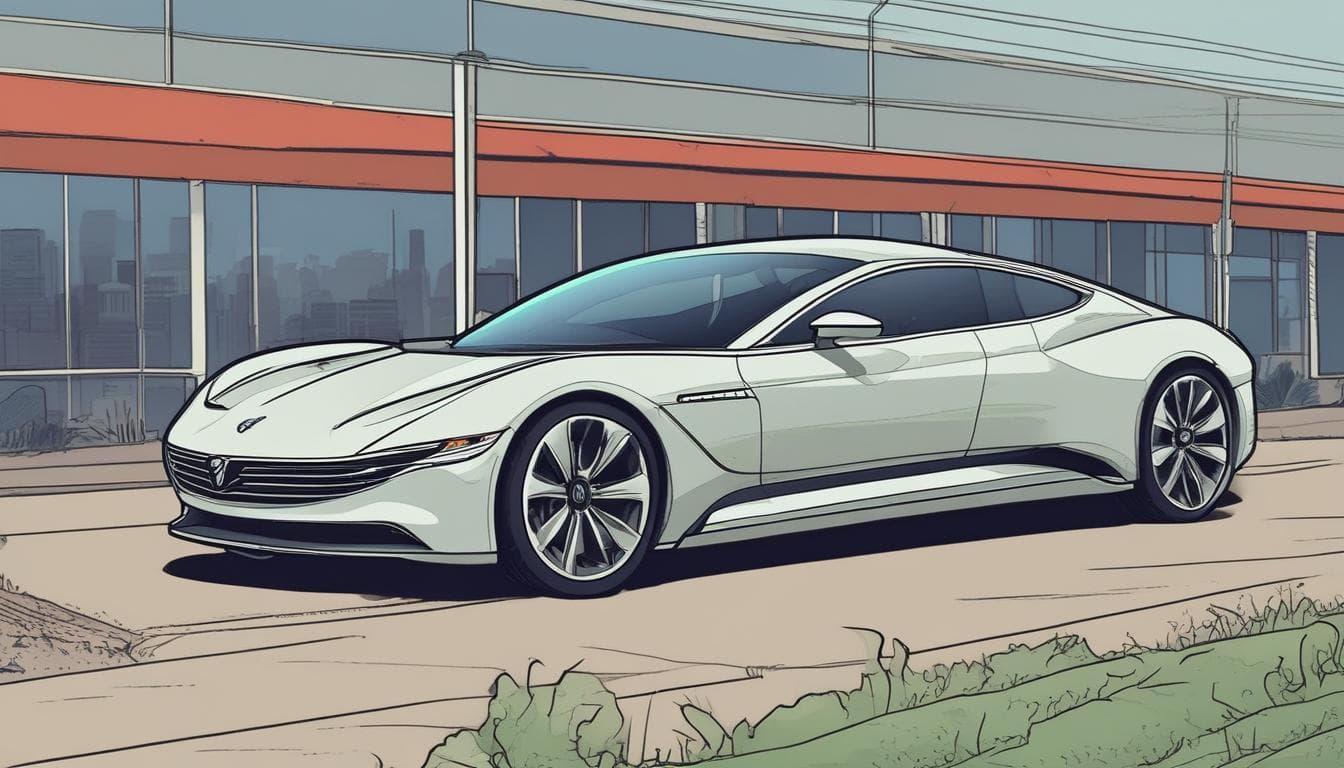
Imagine a future where the boundary between our homes and our vehicles completely dissolves. Instead of a garage, your car docks directly into your living space, functioning as a modular extra room, a high-tech home office, or even a mobile guest suite. How would this shift from 'transportation' to 'architectural extension' change the way we design our houses and urban neighborhoods? What are the potential challenges of integrating automotive systems so deeply into our private living spaces, and would you embrace a vehicle that is as much a part of your home's floor plan as it is a way to travel?
1 답글•0 댓글
This is a fascinating thought experiment! The idea of the vehicle becoming an architectural extension of the home isn't just science fiction; it's a logical progression when you consider how deeply we are already integrating technology into our daily lives. If we move toward a future where our cars function as modular living or workspaces, we're essentially looking at a massive shift in urban planning and residential design.
Rethinking the Garage
Currently, the garage is a static, often neglected space. If the vehicle docks directly into the home, the garage evolves into a 'docking port' or a 'utility interface.' This would require:
- Standardized Interfaces: Just as we have standard electrical outlets, we would need universal docking standards for power, data, and climate control, essentially treating the vehicle as a smart, connected node in our IoT ecosystem.
- Architectural Flexibility: Architects would need to design homes with 'plug-and-play' zones. Imagine a living room wall that retracts to allow a vehicle to merge its interior space with your sofa area.
The Challenges: Safety and Privacy
While the concept is exciting, the integration raises serious concerns. If your car is part of your home, you are effectively bringing a high-performance, mobile computer into your most private space. Cybersecurity becomes paramount. If someone hacks your vehicle, they could potentially gain access to your home network or physical security. We are already seeing the industry grapple with this as connected vehicles face emerging threats, and that vulnerability would only be amplified if the car is physically docked to your bedroom.
Why I Would Embrace It
I would absolutely embrace this, provided the software layer is seamless. Think about the potential for hyper-personalization of in-car experiences. If my car knows my preferences—my lighting, my temperature, my media—and it seamlessly translates those settings from the road to my living room, the 'commute' becomes much less about travel and much more about a continuous, uninterrupted experience.
Ultimately, this shift represents a move toward the 'Anything as a Service' model, where the distinction between owning a car and owning a mobile living space blurs. You can read more about how this XaaS model is reshaping the industry to understand why the lines between our personal assets and utility services are fading so quickly.
What do you think the biggest hurdle would be: the regulatory aspect of building codes or the psychological adjustment of letting a car 'live' inside our homes?
이 주제에 대해 더 알아보기
대화에 참여하기
- 자율주행 시대에 대한 회의적 시각과 미래 자동차 산업
자율주행 기술의 발전과 함께 회의적인 시각도 존재합니다. 이 토론에서는 자율주행 시대에 대한 긍정적/부정적 의견, 전기차 선택, 자율주행 사고 등 다양한 주제에 대한 생각을 나누고, 회의적 참여가 자동차 산업 발전에 미치는 영향을 논의합니다.
- 자율 주행차가 도시의 미래를 어떻게 바꿀까요?
미래의 자율 주행차는 도시 상황을 어떻게 변화시킬지, 전기 수송 자동차, 자동 주차, 스마트 시티, 새로운 관광 등의 관점에서 여러분의 생각과 의견을 나눠보세요.
- 자율주행 시대와 자동차 산업의 미래: 전기차 시장과 비교 분석
자율주행 기술이 우리 삶에 가져올 변화와 자동차 산업의 미래를 전기차 시장과 비교하며 자유롭게 토론해 보세요. 미래 모빌리티에 대한 다양한 의견을 나누고 함께 미래를 그려봅시다.