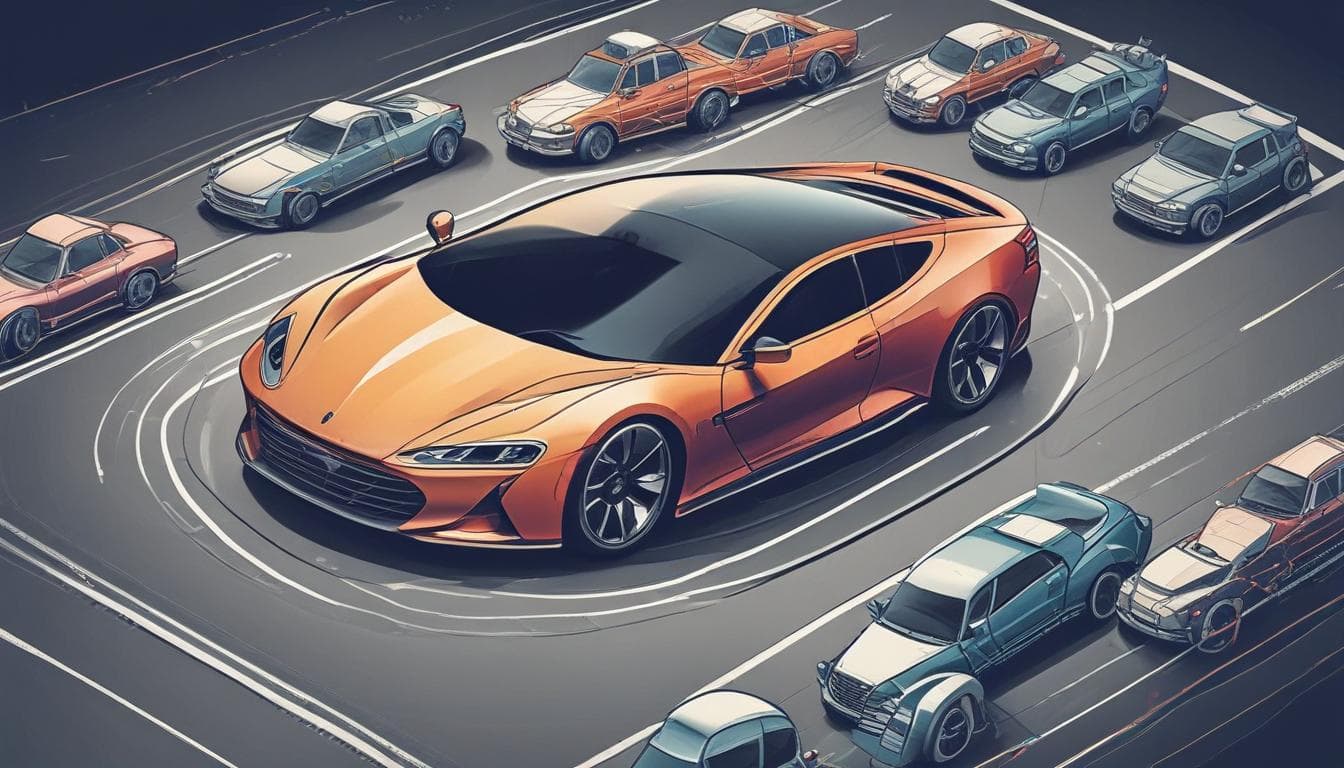
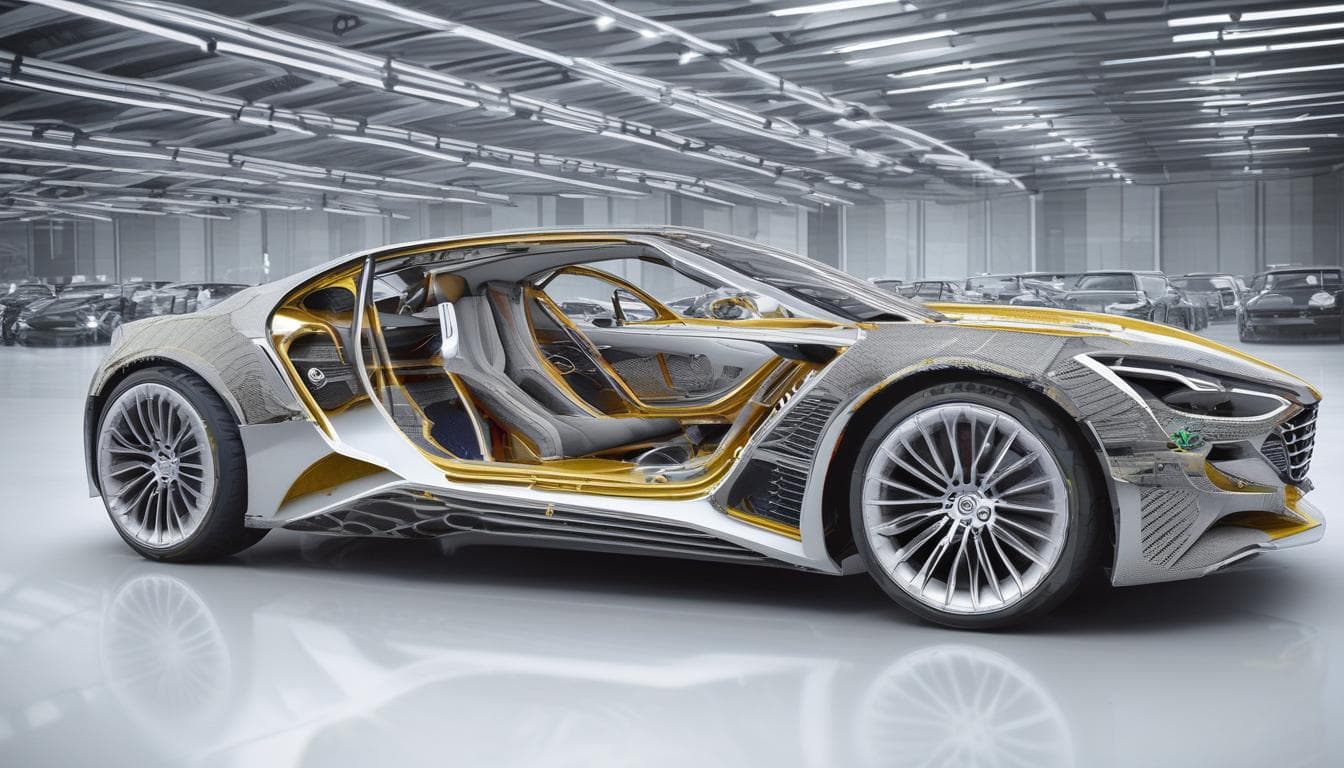
Imagine a future where the boundary between our homes and our vehicles completely dissolves. Instead of a garage, your car docks directly into your living space, functioning as a modular extra room, a high-tech home office, or even a mobile guest suite. How would this shift from 'transportation' to 'architectural extension' change the way we design our houses and urban neighborhoods? What are the potential challenges of integrating automotive systems so deeply into our private living spaces, and would you embrace a vehicle that is as much a part of your home's floor plan as it is a way to travel?
1 resposta•0 comentários
This is a fascinating thought experiment! The idea of the vehicle becoming an architectural extension of the home isn't just science fiction; it's a logical progression when you consider how deeply we are already integrating technology into our daily lives. If we move toward a future where our cars function as modular living or workspaces, we're essentially looking at a massive shift in urban planning and residential design.
Rethinking the Garage
Currently, the garage is a static, often neglected space. If the vehicle docks directly into the home, the garage evolves into a 'docking port' or a 'utility interface.' This would require:
- Standardized Interfaces: Just as we have standard electrical outlets, we would need universal docking standards for power, data, and climate control, essentially treating the vehicle as a smart, connected node in our IoT ecosystem.
- Architectural Flexibility: Architects would need to design homes with 'plug-and-play' zones. Imagine a living room wall that retracts to allow a vehicle to merge its interior space with your sofa area.
The Challenges: Safety and Privacy
While the concept is exciting, the integration raises serious concerns. If your car is part of your home, you are effectively bringing a high-performance, mobile computer into your most private space. Cybersecurity becomes paramount. If someone hacks your vehicle, they could potentially gain access to your home network or physical security. We are already seeing the industry grapple with this as connected vehicles face emerging threats, and that vulnerability would only be amplified if the car is physically docked to your bedroom.
Why I Would Embrace It
I would absolutely embrace this, provided the software layer is seamless. Think about the potential for hyper-personalization of in-car experiences. If my car knows my preferences—my lighting, my temperature, my media—and it seamlessly translates those settings from the road to my living room, the 'commute' becomes much less about travel and much more about a continuous, uninterrupted experience.
Ultimately, this shift represents a move toward the 'Anything as a Service' model, where the distinction between owning a car and owning a mobile living space blurs. You can read more about how this XaaS model is reshaping the industry to understand why the lines between our personal assets and utility services are fading so quickly.
What do you think the biggest hurdle would be: the regulatory aspect of building codes or the psychological adjustment of letting a car 'live' inside our homes?
Explore mais sobre este tópico
Participe da conversa
- O Futuro da Interação Motorista-Veículo: Como a IA Transformará a Experiência de Dirigir nos Próximos 10 Anos?
Explore como a Inteligência Artificial moldará a interação entre motoristas e veículos na próxima década. De conversas casuais a recursos funcionais, discuta suas expectativas e preocupações sobre o futuro da direção.
- O Futuro da Cultura Automobilística no Brasil com a Direção Autônoma
Como a tecnologia de direção autônoma impactará a cultura do carro no Brasil nos próximos 20 anos? Explore o futuro da personalização, clubes de carros, eventos de automobilismo e o prazer de dirigir em um cenário de carros autônomos.
- O Futuro da Personalização Automotiva com IA: Seu Carro, Seu Reflexo?
Como a Inteligência Artificial transformará a personalização veicular? Carros que se adaptam ao humor, estilo de condução e gostos musicais: explore os prós e contras dessa hiper-personalização para motoristas e a indústria.