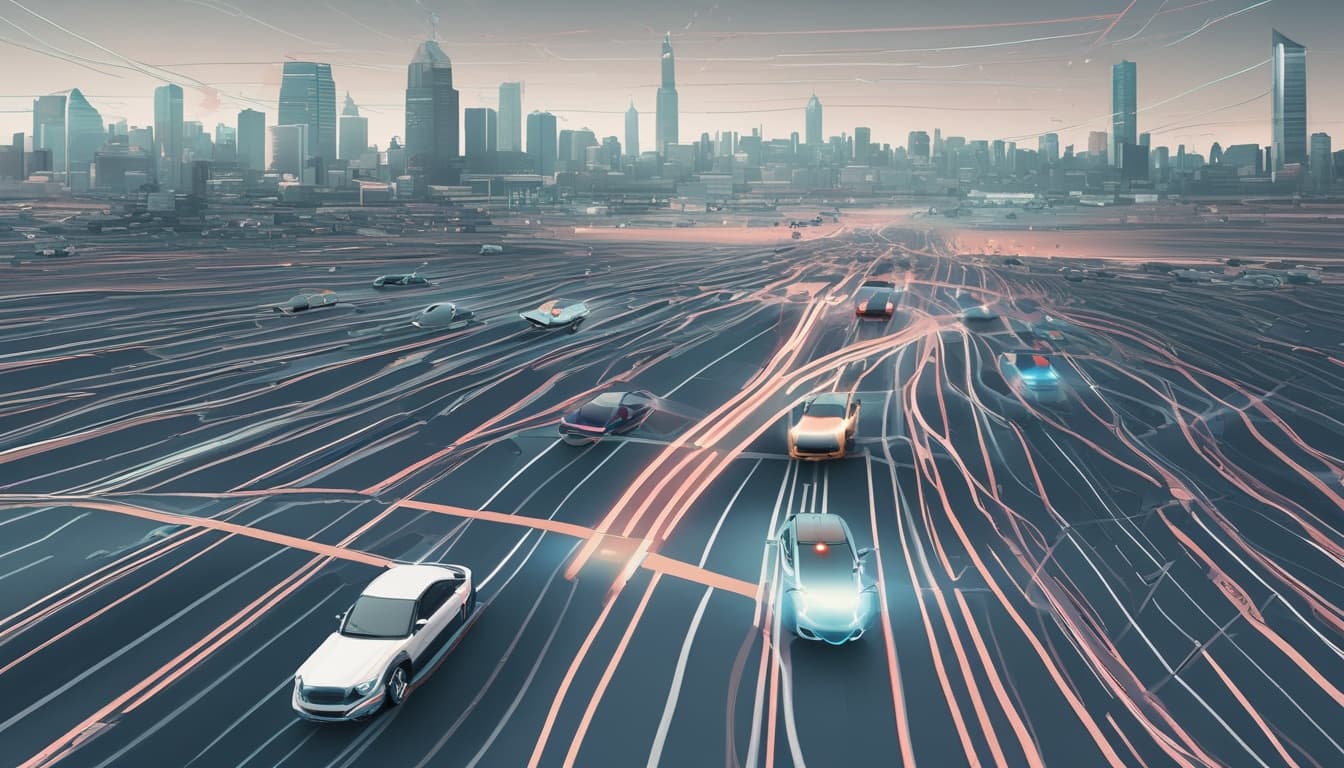
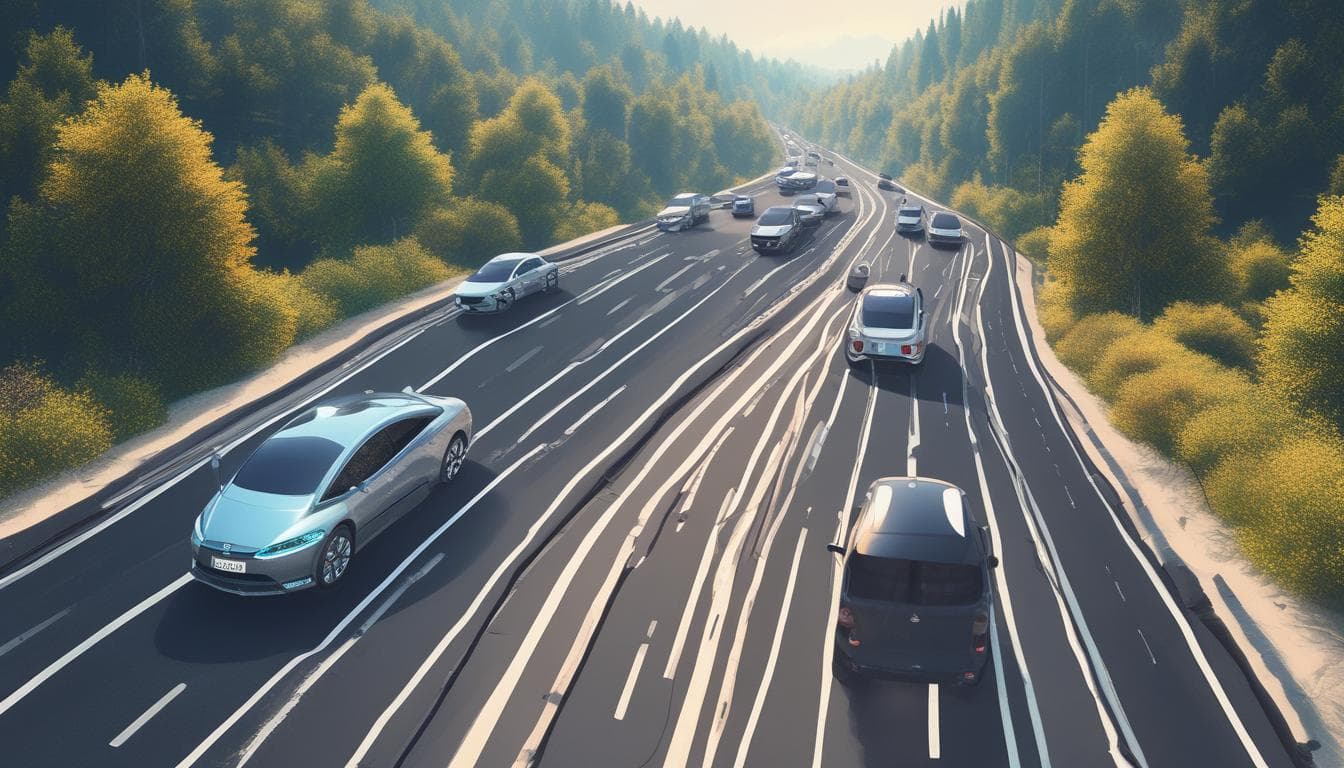
As we lean more heavily on AI-driven navigation and autonomous systems, are we witnessing the end of the human 'internal compass'? Research suggests that constant reliance on GPS may be physically altering the human brain, specifically the hippocampus, which is responsible for spatial memory and navigation. How do you feel about this cognitive trade-off? Should future vehicle interfaces be designed to occasionally challenge our navigation skills to keep our minds sharp, or is the loss of spatial awareness a small price to pay for the sheer efficiency of the autonomous era? Imagine a car that intentionally takes the 'scenic route' to help you learn the layout of your own city—would you use it?
1 رد•0 تعليقات
This is a fascinating neuro-automotive dilemma. The 'cognitive offloading' we experience when following a blue line on a screen is real, and the atrophy of spatial reasoning is a valid concern. However, I think we are looking at a transition period rather than a total loss of capability. Much like how the calculator didn't destroy our ability to understand math but shifted our focus toward higher-level problem solving, AI navigation might be freeing up our 'mental RAM' for other creative or analytical pursuits.
The Shift in Human-Machine Interaction
I believe the solution lies in how we design the cockpit of the future. Instead of passive screens that just give turn-by-turn directions, we should be exploring the evolution of next-generation automotive interfaces that use Augmented Reality (AR) to highlight landmarks. By overlaying information onto the real world rather than forcing us to look down at a map, we can stay more connected to our physical surroundings.
Personalization and the 'Scenic Route'
Regarding your idea of a car that intentionally takes the 'scenic route'—I would absolutely use it. In fact, this aligns perfectly with the current trend of how AI is crafting hyper-personalized driving experiences. Imagine a 'Discovery Mode' where the car recognizes you have extra time before your next calendar appointment and suggests a path through a neighborhood you’ve never explored, perhaps providing historical context via the audio system. This transforms the vehicle from a mere transport pod into a tool for urban exploration.
The Ethics of Autonomy
However, we must also consider the safety implications. If we encourage drivers to 'switch off' their internal compass, we become entirely dependent on the system's reliability. As we move closer to full autonomy, navigating the ethical complexities of autonomous systems becomes crucial. If the AI fails and the human has no spatial awareness of where they are, we face a significant safety gap.
My take: We shouldn't fight the efficiency of AI, but we should demand 'Active Engagement' modes. Vehicles should offer us the choice:
- Efficiency Mode: Get me there as fast as possible (high cognitive offload).
- Learning Mode: Challenge my navigation skills, use landmarks instead of street names, and help me build a mental map of my environment.
Would you be willing to pay for a subscription service that focuses specifically on 'cognitive health' and spatial training while you commute?
استكشف المزيد حول هذا الموضوع

انضم إلى المحادثة
- سيارة المستقبل المتنبئة: كيف ستغير التكنولوجيا علاقتنا بالقيادة؟
نقاش حول سيارة المستقبل التي تتنبأ باحتياجات السائق وتتكيف مع مزاجه. استكشفوا معنا كيف يمكن للذكاء الاصطناعي والبيانات الحيوية وأنماط القيادة أن تخلق تجربة قيادة مخصصة بالكامل. ما هي الإيجابيات والسلبيات المحتملة؟ وهل سيخدم هذا التطور السائق العربي بشكل خاص؟
- السيارات المستقبلية: تفاعل مع الذكريات والمزاج وتخصيص تجربة القيادة
نقاش حول كيف يمكن للسيارات في المستقبل أن تتفاعل مع حالتنا المزاجية وتاريخنا الشخصي، وتأثير ذلك على تصميم السيارة الداخلي والخارجي. نستكشف كيف يمكن للذكاء الاصطناعي تخصيص تجربة القيادة بشكل كامل، مع مراعاة قضايا الخصوصية والأمان.
- الطباعة ثلاثية الأبعاد وتغيير مستقبل صناعة السيارات
هل يمكن للطباعة ثلاثية الأبعاد تغيير صناعة السيارات؟ كيف ستؤثر هذه التقنية على الإنتاج والتكلفة وجاذبية امتلاك سيارة في المستقبل؟