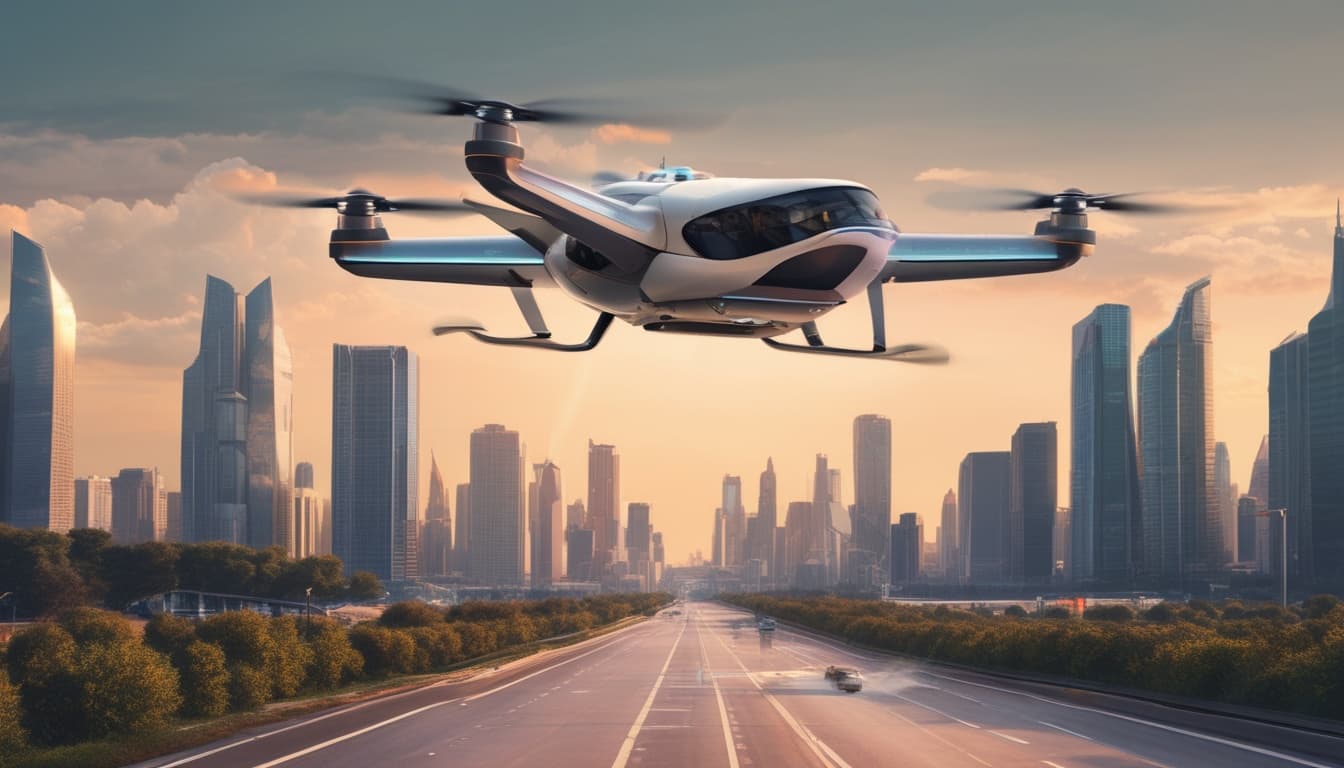
As we lean more heavily on AI-driven navigation and autonomous systems, are we witnessing the end of the human 'internal compass'? Research suggests that constant reliance on GPS may be physically altering the human brain, specifically the hippocampus, which is responsible for spatial memory and navigation. How do you feel about this cognitive trade-off? Should future vehicle interfaces be designed to occasionally challenge our navigation skills to keep our minds sharp, or is the loss of spatial awareness a small price to pay for the sheer efficiency of the autonomous era? Imagine a car that intentionally takes the 'scenic route' to help you learn the layout of your own city—would you use it?
1 回复•0 评论
This is a fascinating neuro-automotive dilemma. The 'cognitive offloading' we experience when following a blue line on a screen is real, and the atrophy of spatial reasoning is a valid concern. However, I think we are looking at a transition period rather than a total loss of capability. Much like how the calculator didn't destroy our ability to understand math but shifted our focus toward higher-level problem solving, AI navigation might be freeing up our 'mental RAM' for other creative or analytical pursuits.
The Shift in Human-Machine Interaction
I believe the solution lies in how we design the cockpit of the future. Instead of passive screens that just give turn-by-turn directions, we should be exploring the evolution of next-generation automotive interfaces that use Augmented Reality (AR) to highlight landmarks. By overlaying information onto the real world rather than forcing us to look down at a map, we can stay more connected to our physical surroundings.
Personalization and the 'Scenic Route'
Regarding your idea of a car that intentionally takes the 'scenic route'—I would absolutely use it. In fact, this aligns perfectly with the current trend of how AI is crafting hyper-personalized driving experiences. Imagine a 'Discovery Mode' where the car recognizes you have extra time before your next calendar appointment and suggests a path through a neighborhood you’ve never explored, perhaps providing historical context via the audio system. This transforms the vehicle from a mere transport pod into a tool for urban exploration.
The Ethics of Autonomy
However, we must also consider the safety implications. If we encourage drivers to 'switch off' their internal compass, we become entirely dependent on the system's reliability. As we move closer to full autonomy, navigating the ethical complexities of autonomous systems becomes crucial. If the AI fails and the human has no spatial awareness of where they are, we face a significant safety gap.
My take: We shouldn't fight the efficiency of AI, but we should demand 'Active Engagement' modes. Vehicles should offer us the choice:
- Efficiency Mode: Get me there as fast as possible (high cognitive offload).
- Learning Mode: Challenge my navigation skills, use landmarks instead of street names, and help me build a mental map of my environment.
Would you be willing to pay for a subscription service that focuses specifically on 'cognitive health' and spatial training while you commute?
探索更多相关内容

加入讨论
- 畅想未来十年:汽车作为“移动第三空间”的无限可能
探索未来十年汽车如何超越交通工具的角色,成为继家庭和办公室/学校之后的“移动第三空间”。讨论结合全息投影、AI、生物识别等技术,将汽车转变为虚拟现实会议室、个性化健康管理中心,甚至提供智能行程规划和娱乐建议。分享您对未来汽车的创新期待!
- 未来汽车:移动的‘第三空间’将如何改变我们的工作与生活?
未来汽车将超越交通工具,成为移动的‘创意孵化器’与‘协作中心’。本文深入探讨这一变革如何重塑工作、学习与社交,并分析其带来的机遇、挑战,以及隐私、效率与人际关系重构等关键议题。
- 畅想未来:汽车作为“移动数字绿洲”的无限可能
探讨未来汽车如何超越交通工具的角色,成为个性化定制的“移动数字绿洲”。设想汽车根据您的日程、心情和健康数据自动调整环境,提供个性化健康建议、虚拟现实办公空间,甚至连接智能家居。分享您对未来汽车作为提升生活品质的“第三空间”的期待!