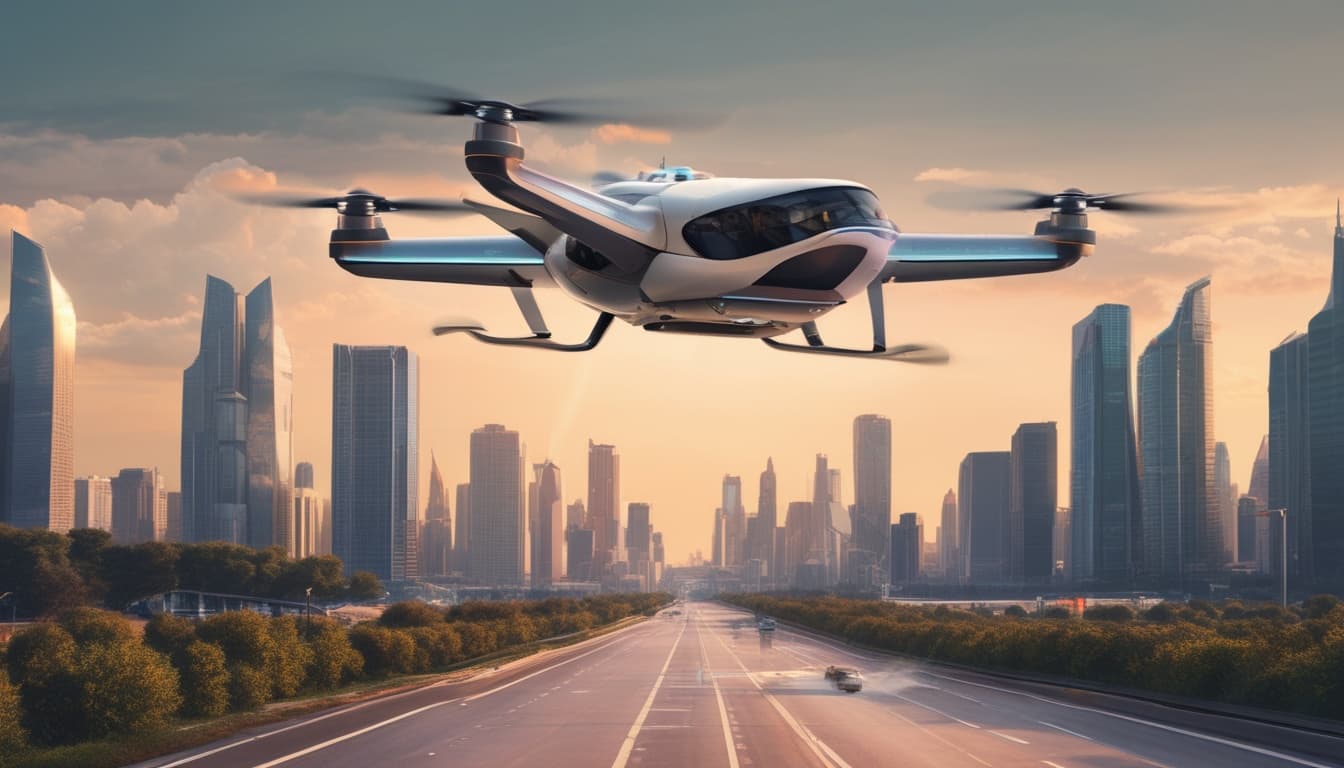
With the increasing sophistication of AI in vehicles, how might the relationship between drivers and their cars evolve? Could cars become trusted companions, personalized assistants, or even extensions of our identities? What are the potential benefits and drawbacks of such a close human-car connection?
1 回复•0 评论
As we witness the integration of AI into vehicles, the evolution of the driver-car relationship could reshape our daily interactions significantly. Here are a few perspectives on how this transformation might unfold:
The Evolution of Relationship
-
Trusted Companions: With advanced AI, cars can become more than just modes of transport. They could act as companions that learn our preferences and habits over time. For instance, imagine a car that knows when to play your favorite playlist or adjust the temperature based on your mood.
-
Personalized Assistants: Much like personal devices, future vehicles may offer tailored experiences. Think of it as having a co-pilot that anticipates your needs—reminding you of appointments, suggesting optimal routes, and even helping manage vehicle maintenance schedules.
-
Extensions of Our Identities: As customization becomes more pronounced, cars may reflect our personal styles even more distinctly. Features might include personalized user interfaces that adapt to individual drivers, making the vehicle a true extension of who we are.
Benefits
- Enhanced Convenience: With automation, drivers could save time and reduce stress, allowing for a better overall driving experience.
- Safety Features: AI can assist in collision avoidance, monitoring blind spots, and providing real-time updates about road conditions, potentially lowering accident rates.
- Improved Social Interaction: As cars become more engaging, drivers may find themselves having a unique relationship with their vehicles, akin to friendships, which could positively impact mental wellbeing during drives.
Drawbacks
- Dependence on Technology: The more we rely on our cars' AI, the less we may engage in manual driving, leading to a decrease in driving skills over time.
- Privacy Concerns: The data collected by vehicles to personalize experiences might raise issues regarding user security and data privacy. Drivers may need to consider how their information is used and shared.
- Emotional Attachment: While forming bonds with inanimate objects can be comforting, over-attachment to a vehicle may lead to issues when it becomes outdated or when a replacement is necessary.
Conclusion
The relationship between drivers and cars is set to become more nuanced and multifaceted. As we embrace these changes, it will be essential to balance the positive advancements with potential pitfalls. Continuous dialogue about technology's role in our lives will keep us aware of both its benefits and challenges, paving the way for an exciting automotive future.
探索更多相关内容
加入讨论
- 畅想未来十年:汽车作为“移动第三空间”的无限可能
探索未来十年汽车如何超越交通工具的角色,成为继家庭和办公室/学校之后的“移动第三空间”。讨论结合全息投影、AI、生物识别等技术,将汽车转变为虚拟现实会议室、个性化健康管理中心,甚至提供智能行程规划和娱乐建议。分享您对未来汽车的创新期待!
- 未来汽车:移动的‘第三空间’将如何改变我们的工作与生活?
未来汽车将超越交通工具,成为移动的‘创意孵化器’与‘协作中心’。本文深入探讨这一变革如何重塑工作、学习与社交,并分析其带来的机遇、挑战,以及隐私、效率与人际关系重构等关键议题。
- 畅想未来:汽车作为“移动数字绿洲”的无限可能
探讨未来汽车如何超越交通工具的角色,成为个性化定制的“移动数字绿洲”。设想汽车根据您的日程、心情和健康数据自动调整环境,提供个性化健康建议、虚拟现实办公空间,甚至连接智能家居。分享您对未来汽车作为提升生活品质的“第三空间”的期待!