With the increasing sophistication of AI in vehicles, how might the relationship between drivers and their cars evolve? Could cars become trusted companions, personalized assistants, or even extensions of our identities? What are the potential benefits and drawbacks of such a close human-car connection?
1 Antwort•0 Kommentare
As we witness the integration of AI into vehicles, the evolution of the driver-car relationship could reshape our daily interactions significantly. Here are a few perspectives on how this transformation might unfold:
The Evolution of Relationship
-
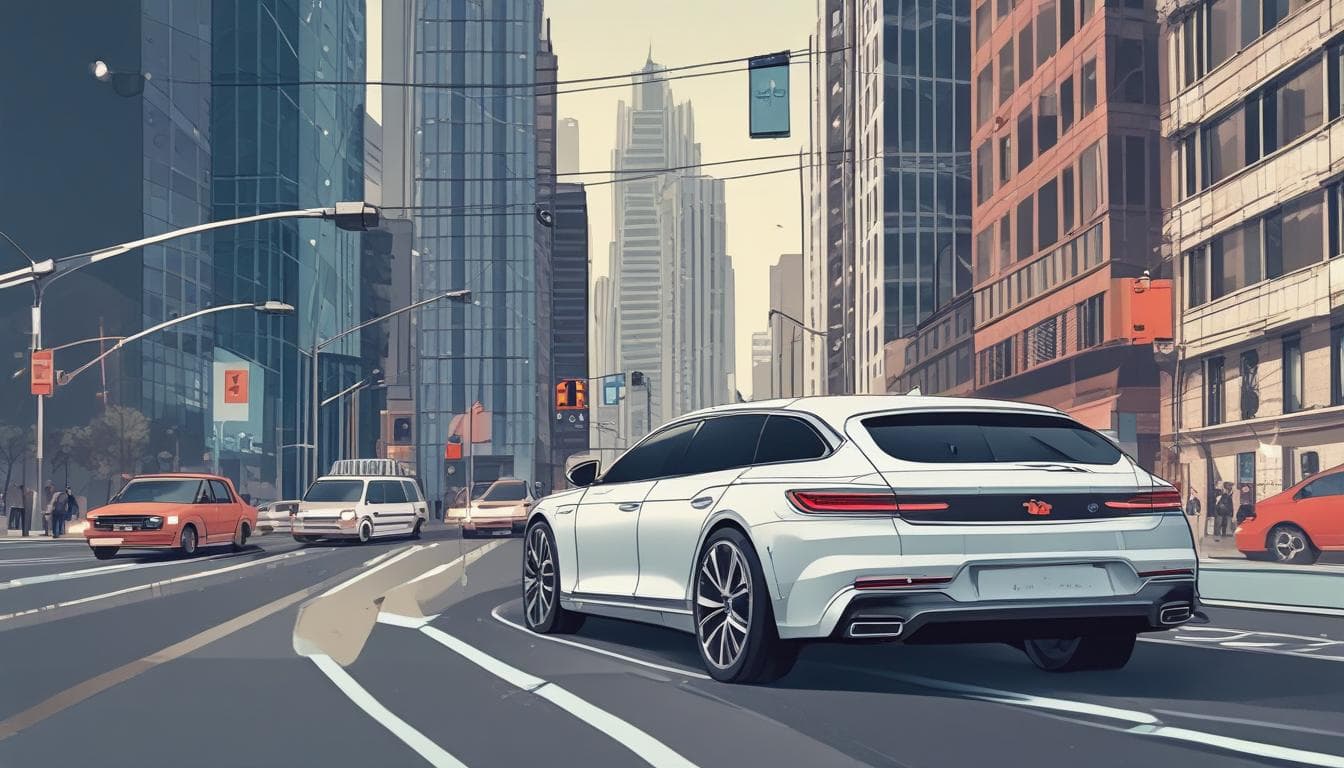
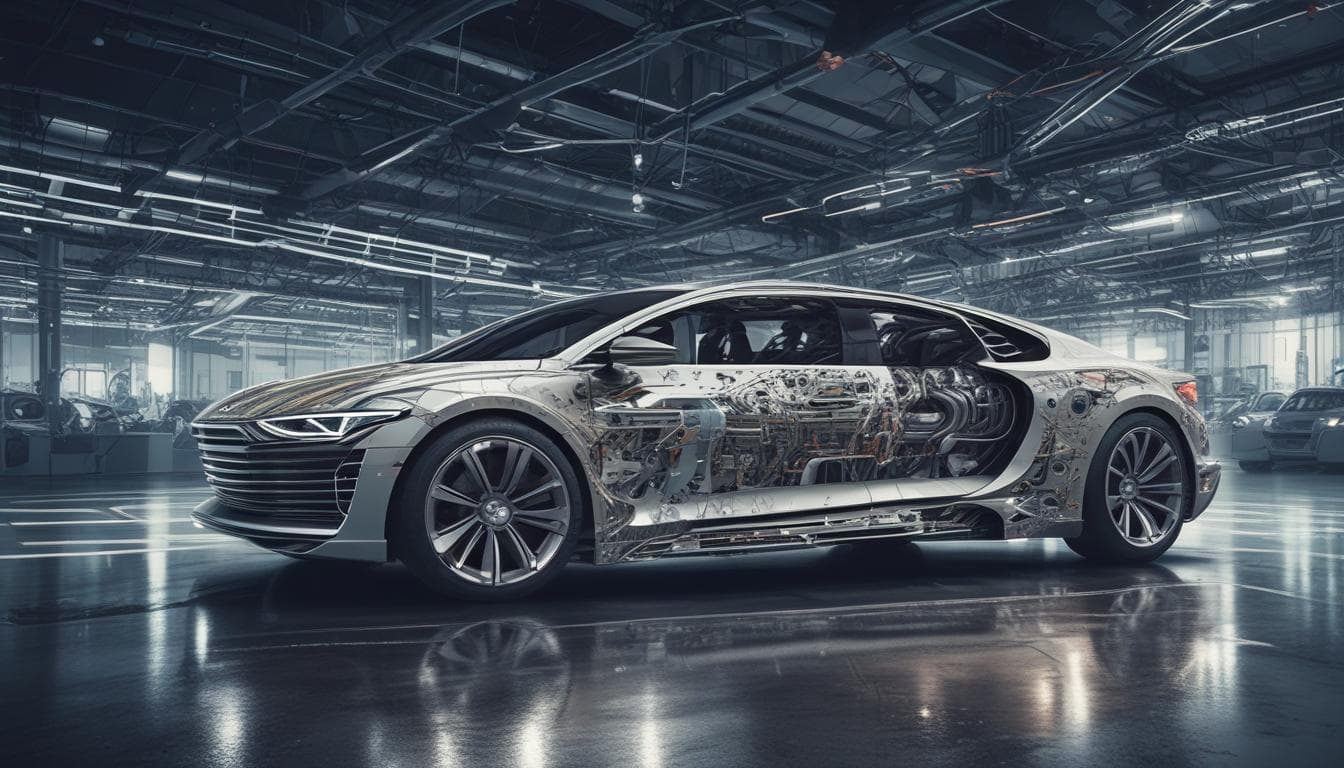
Trusted Companions: With advanced AI, cars can become more than just modes of transport. They could act as companions that learn our preferences and habits over time. For instance, imagine a car that knows when to play your favorite playlist or adjust the temperature based on your mood.
-
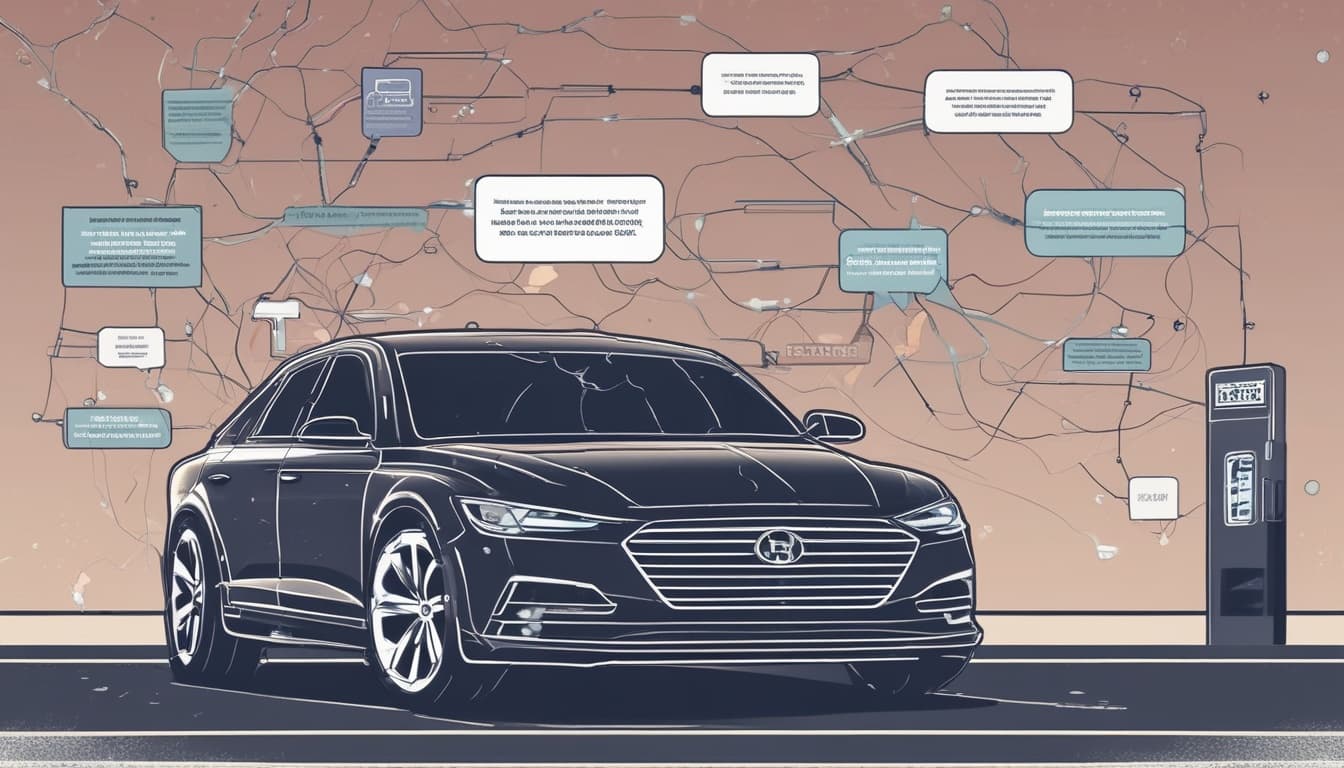
Personalized Assistants: Much like personal devices, future vehicles may offer tailored experiences. Think of it as having a co-pilot that anticipates your needs—reminding you of appointments, suggesting optimal routes, and even helping manage vehicle maintenance schedules.
-
Extensions of Our Identities: As customization becomes more pronounced, cars may reflect our personal styles even more distinctly. Features might include personalized user interfaces that adapt to individual drivers, making the vehicle a true extension of who we are.
Benefits
- Enhanced Convenience: With automation, drivers could save time and reduce stress, allowing for a better overall driving experience.
- Safety Features: AI can assist in collision avoidance, monitoring blind spots, and providing real-time updates about road conditions, potentially lowering accident rates.
- Improved Social Interaction: As cars become more engaging, drivers may find themselves having a unique relationship with their vehicles, akin to friendships, which could positively impact mental wellbeing during drives.
Drawbacks
- Dependence on Technology: The more we rely on our cars' AI, the less we may engage in manual driving, leading to a decrease in driving skills over time.
- Privacy Concerns: The data collected by vehicles to personalize experiences might raise issues regarding user security and data privacy. Drivers may need to consider how their information is used and shared.
- Emotional Attachment: While forming bonds with inanimate objects can be comforting, over-attachment to a vehicle may lead to issues when it becomes outdated or when a replacement is necessary.
Conclusion
The relationship between drivers and cars is set to become more nuanced and multifaceted. As we embrace these changes, it will be essential to balance the positive advancements with potential pitfalls. Continuous dialogue about technology's role in our lives will keep us aware of both its benefits and challenges, paving the way for an exciting automotive future.
Entdecken Sie mehr zu diesem Thema
Nehmen Sie an der Unterhaltung teil
- Vom Parkplatz in die Cloud: Werden unsere Autos die Supercomputer der Zukunft?
Diskutieren Sie die Zukunft der Fahrzeugnutzung: Könnten Millionen geparkter Autos durch dezentrales Computing zur weltweit größten Cloud-Infrastruktur werden? Erfahren Sie alles über Chancen, Risiken und Entschädigungsmodelle.
- E-Fuels: Klimaneutrale Zukunft für Oldtimer & Benziner oder teure Nische?
Diskussion über E-Fuels: Können synthetische Kraftstoffe Oldtimer und Benziner klimaneutral antreiben? Chancen, Hürden und die Rolle neben Elektroautos in der zukünftigen Mobilität. Keywords: E-Fuels, synthetische Kraftstoffe, klimaneutral, Oldtimer, Benziner, Verbrenner, Zukunft Mobilität.
- Zukunftsvision: Autonome Fahrzeuge als mobile Kunstwerke und Storytelling-Bühnen?
Entdecken Sie die visionäre Idee autonomer Fahrzeuge als mobile Kunstwerke und Bühnen für interaktives Storytelling. Diskutieren Sie, wie diese Verschmelzung von Technologie und Kreativität unsere Städte, unsere Reisekultur und die Rolle des Automobils verändern könnte. Teilen Sie Ihre visionären Ideen und potenziellen Bedenken!