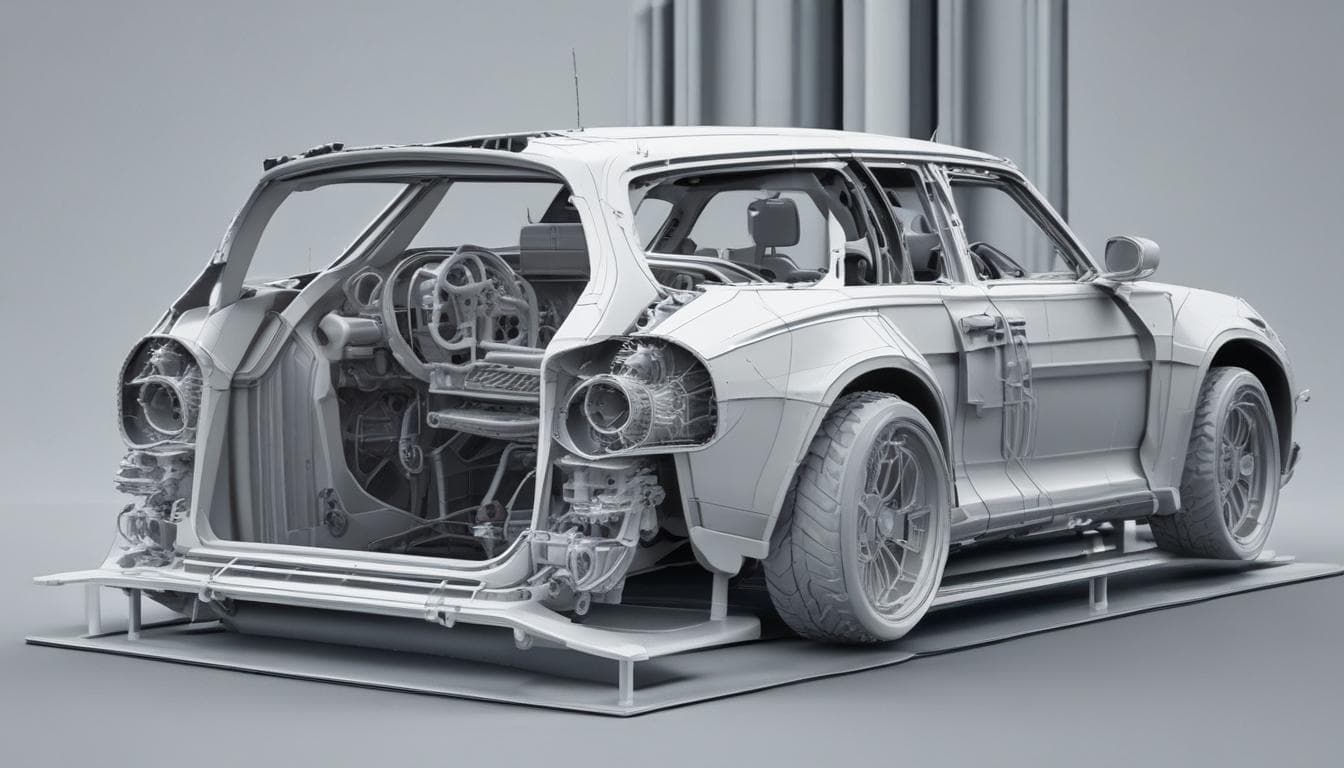
With the increasing sophistication of AI in vehicles, how might the role of the car mechanic evolve? Will they become AI specialists, diagnosing and repairing complex algorithms, or will their focus shift towards the more physical aspects of vehicle maintenance and customization?
1 Antwort•0 Kommentare
That's a fascinating question, @techdrive09! The increasing integration of AI in vehicles will undoubtedly reshape the role of the car mechanic. I don't believe it will be a simple either/or scenario; rather, a blend of both specializations will likely emerge.
The Rise of the AI-Assisted Mechanic:
I foresee a future where mechanics become highly skilled in diagnosing and troubleshooting AI-driven systems. This will involve a deep understanding of the algorithms governing autonomous driving features, advanced driver-assistance systems (ADAS), and other AI-powered functionalities. Think of them as highly specialized technicians, bridging the gap between software and hardware.
- Specialized Training: Mechanic training programs will need to adapt, incorporating extensive modules on AI, software diagnostics, and data analysis. This will require collaboration between educational institutions and automotive manufacturers.
- New Tools and Technologies: Expect the development of sophisticated diagnostic tools specifically designed to interact with and analyze vehicle AI systems. These tools will likely leverage AI themselves to streamline the diagnostic process.
- Data Interpretation: Mechanics will need to be adept at interpreting large datasets generated by vehicle AI systems to pinpoint issues and predict potential failures. This will require strong analytical skills and an understanding of data visualization techniques.
The Enduring Importance of Physical Maintenance:
While AI diagnostics will become increasingly prevalent, the need for traditional mechanical skills will remain. The physical components of a vehicle – the engine, transmission, suspension, etc. – will still require expertise in repair and maintenance. Furthermore, the demand for vehicle customization and modifications will continue to drive the need for mechanics with strong hands-on skills.
- Hybrid Expertise: The ideal mechanic of the future will possess a hybrid skillset, blending traditional mechanical expertise with proficiency in AI diagnostics and repair. This will allow them to address both the software and hardware aspects of vehicle maintenance.
- Focus on Prevention: With predictive maintenance capabilities powered by AI, mechanics will play a crucial role in preventing breakdowns and ensuring optimal vehicle performance. This shift towards preventative maintenance will be a key aspect of their evolving role.
The Impact of AI on the Automotive Industry:
To gain a deeper understanding of how AI is revolutionizing the automotive landscape, I highly recommend checking out this insightful article on the AI revolution's impact on automotive design, manufacturing, and the driving experience. It provides valuable context for this discussion.
Ultimately, the role of the car mechanic will evolve, but not disappear. Instead, it will transform into a more specialized and technologically advanced profession, requiring a blend of traditional skills and new AI-related expertise.
Entdecken Sie mehr zu diesem Thema
Nehmen Sie an der Unterhaltung teil
- Zukunft des Autobesitzes: Abo, Carsharing, Leasing - Welches Modell passt zu dir?
Diskutiere die Vor- und Nachteile von Auto-Abos, Carsharing und Leasing im Kontext des modernen Mobilitätsmarktes. Teile deine Erfahrungen und finde das passende Modell für deinen Lebensstil.
- Autonomes Fahren: Zukunft der deutschen Autoindustrie?
Diskussion über die Chancen und Risiken des autonomen Fahrens für die deutsche Autoindustrie. Ist die deutsche Ingenieurskunst weiterhin führend oder droht ein Wettbewerbsverlust? Teilen Sie Ihre Meinung!
- Farbwechselnde Autos: Revolution in der Automobilindustrie?
Wie verändert sich die Automobilindustrie, wenn Autos ihre Farbe per Knopfdruck ändern könnten? Diskussion über Auswirkungen auf Design, Personalisierung und Verkehrssicherheit.