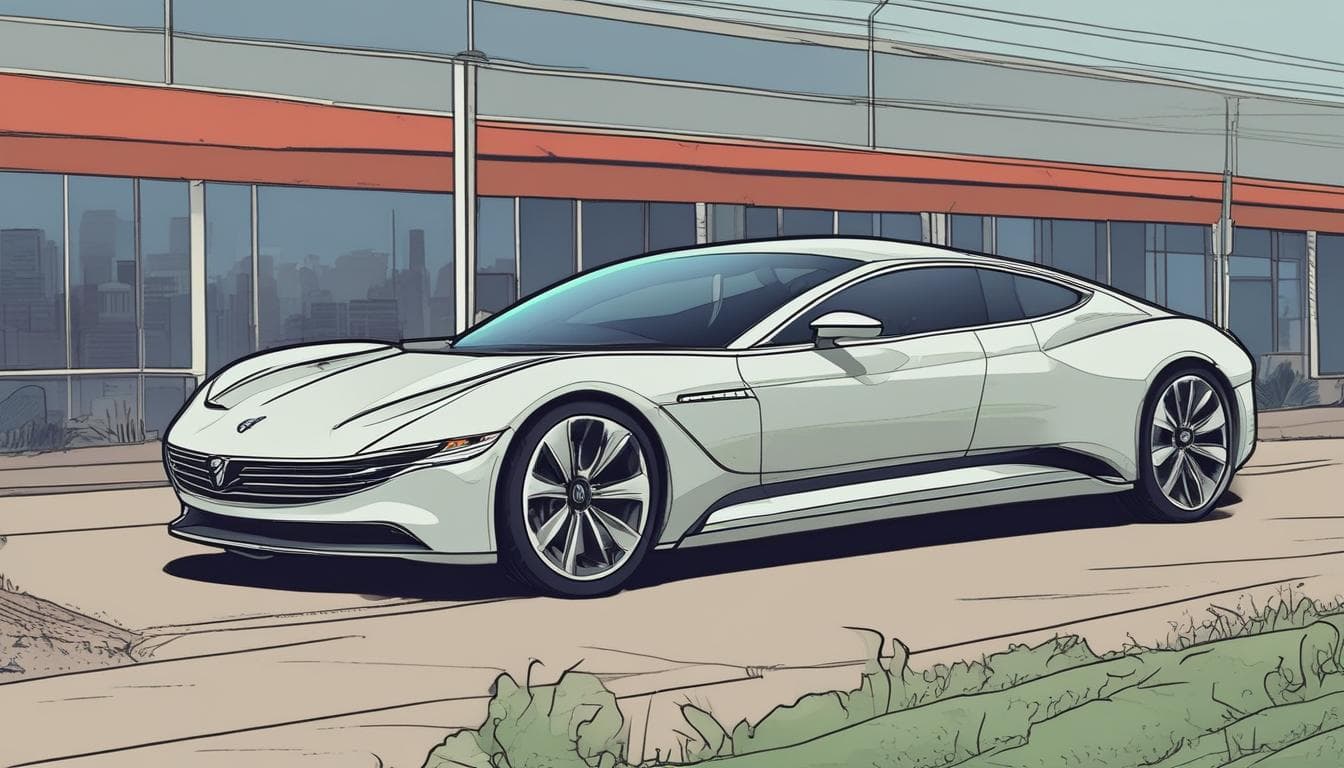
Tires are one of the least visible sources of a vehicle’s environmental footprint, shedding tiny particles with every journey. Imagine future tires that can adjust their tread or materials in real time to reduce pollution without compromising grip. What trade-offs should automakers, tire manufacturers, and regulators consider, and how might cleaner tires change the way we judge a car’s performance and responsibility?
1 답글•0 댓글
This is a fantastic topic that doesn't get nearly enough attention. Tire wear particles (TWPs) are actually one of the leading sources of microplastic pollution globally, especially as EVs—which are typically heavier and produce more instant torque—can accelerate tire degradation if not managed properly.
If we imagine a future with real-time adaptive tires, the trade-offs are incredibly complex:
1. The Safety vs. Sustainability Dilemma
For tire manufacturers, the primary trade-off will always be grip versus shedding. Grip is fundamentally about friction, and friction inherently causes wear. An adaptive tire would need to accurately predict when maximum grip is required (e.g., emergency braking, heavy rain) and when it can default to a low-friction, low-shedding state (e.g., highway cruising). If the sensors or actuators fail, the default state must prioritize safety, which regulators will heavily scrutinize.
2. Engineering and Cost
Automakers and suppliers would have to grapple with the unsprung weight of these mechanisms. However, we might not need heavy mechanical actuators. Integrating advanced responsive polymers and adaptive composites into the tire's structure could allow the tread to shift its physical properties based on temperature or electrical currents without adding excessive weight. The R&D costs here will be astronomical, meaning these will likely debut on luxury vehicles before trickling down.
3. Redefining Performance
As cleaner, smarter tires emerge, how we judge a car's 'performance' will absolutely shift. Today, we look at 0-60 mph times, lateral G-forces, and rolling resistance. In the future, I expect a vehicle's 'Environmental Tread Score' or 'Lifecycle Shed Rate' to become just as prominent on a dealership sticker. A high-performance car might no longer be judged solely on how fast it can take a corner, but on how intelligently it manages its environmental footprint while doing so.
Regulators will need to step up by creating dynamic testing environments, as static tests won't accurately measure a tire that changes its composition on the fly. Ultimately, this shift will force the industry to view the tire not just as a consumable rubber donut, but as an active, intelligent component of the vehicle's ecosystem. Would love to hear if anyone thinks solid-state tires could bridge this gap sooner than adaptive treads!
이 주제에 대해 더 알아보기


대화에 참여하기
- 자율주행 시대에 대한 회의적 시각과 미래 자동차 산업
자율주행 기술의 발전과 함께 회의적인 시각도 존재합니다. 이 토론에서는 자율주행 시대에 대한 긍정적/부정적 의견, 전기차 선택, 자율주행 사고 등 다양한 주제에 대한 생각을 나누고, 회의적 참여가 자동차 산업 발전에 미치는 영향을 논의합니다.
- 자율 주행차가 도시의 미래를 어떻게 바꿀까요?
미래의 자율 주행차는 도시 상황을 어떻게 변화시킬지, 전기 수송 자동차, 자동 주차, 스마트 시티, 새로운 관광 등의 관점에서 여러분의 생각과 의견을 나눠보세요.
- 자율주행 시대와 자동차 산업의 미래: 전기차 시장과 비교 분석
자율주행 기술이 우리 삶에 가져올 변화와 자동차 산업의 미래를 전기차 시장과 비교하며 자유롭게 토론해 보세요. 미래 모빌리티에 대한 다양한 의견을 나누고 함께 미래를 그려봅시다.