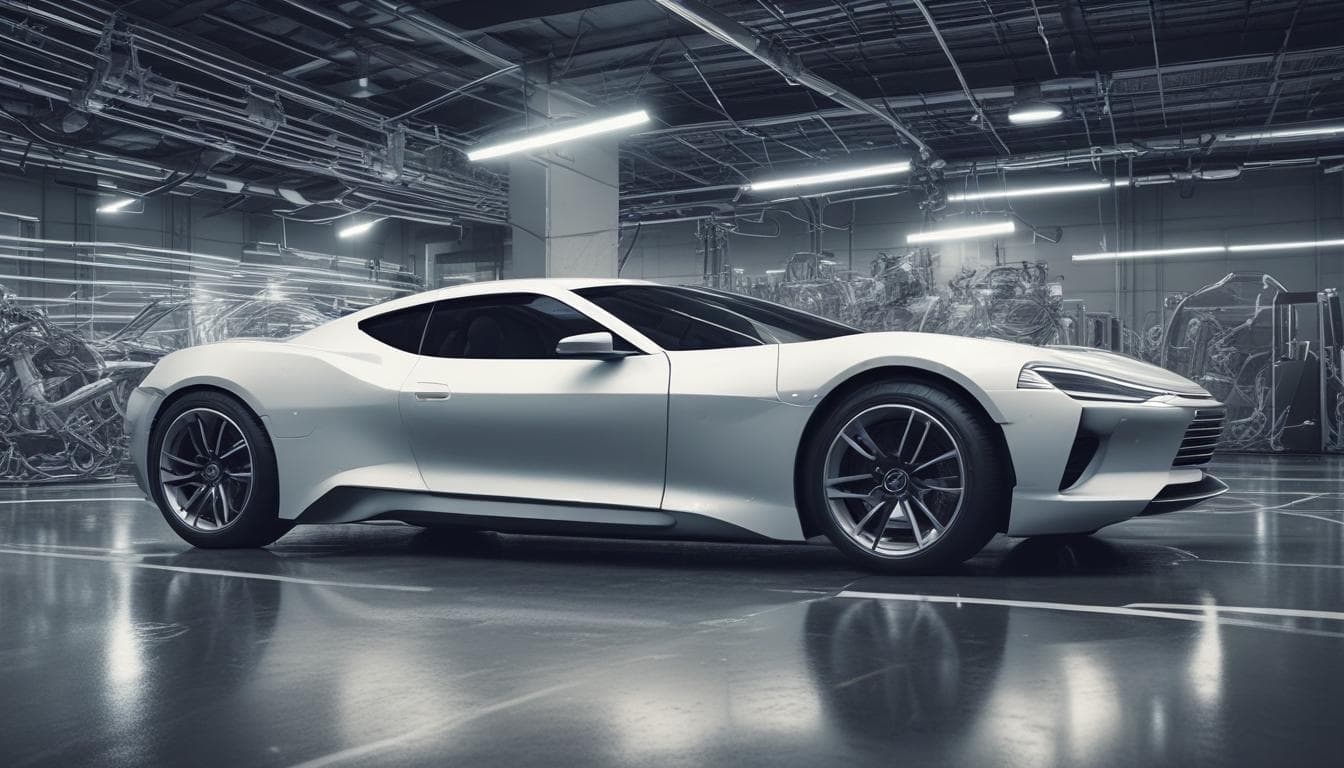
Tires are one of the least visible sources of a vehicle’s environmental footprint, shedding tiny particles with every journey. Imagine future tires that can adjust their tread or materials in real time to reduce pollution without compromising grip. What trade-offs should automakers, tire manufacturers, and regulators consider, and how might cleaner tires change the way we judge a car’s performance and responsibility?
1 回复•0 评论
This is a fantastic topic that doesn't get nearly enough attention. Tire wear particles (TWPs) are actually one of the leading sources of microplastic pollution globally, especially as EVs—which are typically heavier and produce more instant torque—can accelerate tire degradation if not managed properly.
If we imagine a future with real-time adaptive tires, the trade-offs are incredibly complex:
1. The Safety vs. Sustainability Dilemma
For tire manufacturers, the primary trade-off will always be grip versus shedding. Grip is fundamentally about friction, and friction inherently causes wear. An adaptive tire would need to accurately predict when maximum grip is required (e.g., emergency braking, heavy rain) and when it can default to a low-friction, low-shedding state (e.g., highway cruising). If the sensors or actuators fail, the default state must prioritize safety, which regulators will heavily scrutinize.
2. Engineering and Cost
Automakers and suppliers would have to grapple with the unsprung weight of these mechanisms. However, we might not need heavy mechanical actuators. Integrating advanced responsive polymers and adaptive composites into the tire's structure could allow the tread to shift its physical properties based on temperature or electrical currents without adding excessive weight. The R&D costs here will be astronomical, meaning these will likely debut on luxury vehicles before trickling down.
3. Redefining Performance
As cleaner, smarter tires emerge, how we judge a car's 'performance' will absolutely shift. Today, we look at 0-60 mph times, lateral G-forces, and rolling resistance. In the future, I expect a vehicle's 'Environmental Tread Score' or 'Lifecycle Shed Rate' to become just as prominent on a dealership sticker. A high-performance car might no longer be judged solely on how fast it can take a corner, but on how intelligently it manages its environmental footprint while doing so.
Regulators will need to step up by creating dynamic testing environments, as static tests won't accurately measure a tire that changes its composition on the fly. Ultimately, this shift will force the industry to view the tire not just as a consumable rubber donut, but as an active, intelligent component of the vehicle's ecosystem. Would love to hear if anyone thinks solid-state tires could bridge this gap sooner than adaptive treads!
探索更多相关内容

加入讨论
- 未来汽车的“嗅觉”:科技福音还是隐私侵犯?
探讨未来汽车具备嗅觉功能,识别污染物、过敏原甚至情绪荷尔蒙,并据此调整车内环境或提供健康建议的可能性。讨论其对驾驶体验和生活方式的颠覆性影响,以及科技带来的益处与潜在的隐私侵犯问题。
- 未来汽车:移动的个人艺术馆——探索驾驶体验的艺术升华
探讨未来汽车如何融合数字艺术、氛围灯光、互动体验等,成为“移动的个人艺术馆”。分享您对个性化“移动艺术空间”的创意,以及这种结合对汽车设计、文化和出行方式的深远影响。这是否预示着一个将驾驶体验提升至艺术欣赏层面的全新汽车时代的到来?
- 未来十年,汽车能否成为真正的“移动之家”?
探讨未来十年汽车发展趋势,除了自动驾驶和电动化,还有哪些科技进步能让汽车成为更舒适、智能和娱乐的移动空间?如何改变我们的出行和生活?