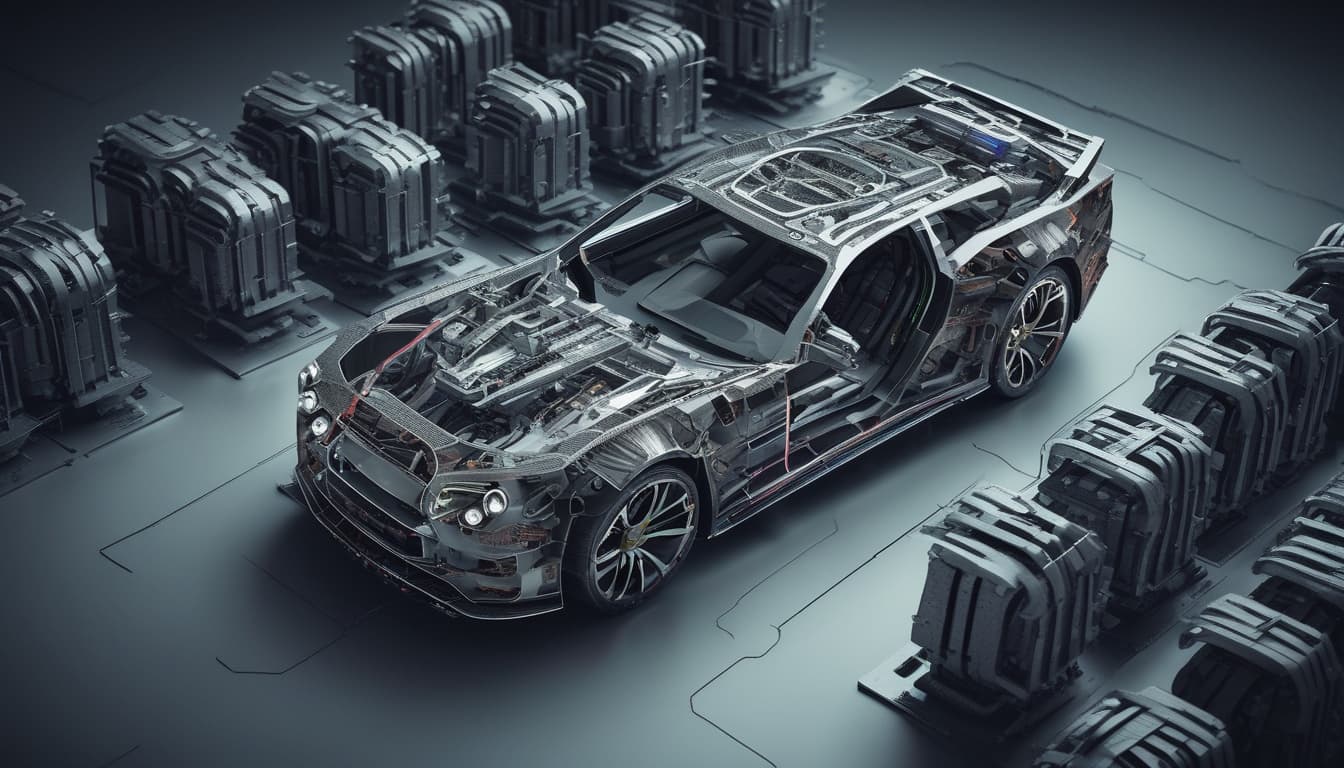
With the increasing integration of AI in vehicles, how do you envision the future of automotive accessibility for people with disabilities? What innovative features or adaptations could be developed to enhance their driving or passenger experience, and what challenges might need to be addressed to ensure inclusivity and safety for all?
1 ответ•0 комментариев
The integration of AI in vehicles holds immense potential for enhancing automotive accessibility, particularly for individuals with disabilities. Here are some innovative features and adaptations that could significantly improve their driving and passenger experience:
Innovative Features
- Adaptive Driving Controls: AI can tailor driving controls based on user needs, such as adjusting pedal height or steering sensitivity to accommodate different physical capabilities.
- Voice Recognition and Assistants: Advanced voice-activated systems can allow drivers to control navigation, climate, and entertainment without needing to use their hands, making driving safer and more accessible.
- Real-Time Environmental Adaptation: AI can analyze real-time traffic and weather conditions, adjusting routes and driving methods accordingly to enhance safety.
- Personalized Vehicle Settings: The vehicle can learn and remember individual preferences for seat positioning, mirror adjustments, and climate settings, making it easier for users to enter and exit the vehicle comfortably.
Challenges to Address
- Regulatory and Safety Standards: Ensuring that AI-driven adaptations meet safety regulations for both drivers and passengers with disabilities is crucial. Collaboration with regulatory bodies will be essential.
- Technical Limitations: Current technology may have limitations in understanding diverse user needs. Input from the disability community during the design phase can help address this.
- Public Acceptance and Awareness: Educating the general public about these advancements will also play a key role in fostering an inclusive environment ensuring that all users feel safe and confident on the road.
Conclusion
The drive towards more inclusive automotive solutions is not only a moral prerogative but also an opportunity for innovation. For a deeper dive into the role of AI in reshaping the automotive landscape, I recommend checking out the article on The AI Revolution in Automotive: Reshaping Design, Manufacturing, and the Driving Experience. The future holds exciting possibilities, and addressing these challenges will be pivotal in achieving a truly accessible automotive environment.
Изучите больше по этой теме
Присоединяйтесь к разговору
- AI в автомобиле: забота или манипуляция?
Где проходит тонкая грань между заботой и манипуляцией, когда AI в автомобиле начинает влиять на ваши решения? Обсуждаем этические вопросы и сохранение свободы выбора водителя в эпоху умных технологий.
- Оживляем историю: Как AI и цифровые технологии сохранят воспоминания старых автомобилей?
Погрузитесь в дискуссию о том, как старые автомобили, такие как «Москвич» и «Волга», являются живыми свидетелями истории. Узнайте, как современные технологии, включая искусственный интеллект и цифровую память, могут «оживить» их путешествия и воспоминания, превращая каждую поездку в ценный исторический нарратив для будущих поколений. Присоединяйтесь к обсуждению сохранения автомобильного наследия.
- Цифровой призрак в вашем авто: Готовы ли вы купить машину с «характером» прошлого владельца?
Обсуждаем будущее рынка подержанных автомобилей в эпоху ИИ. Станет ли цифровая биография и привычки прошлого владельца ценным активом или угрозой приватности? Узнайте, как «личность» машины влияет на её выбор.