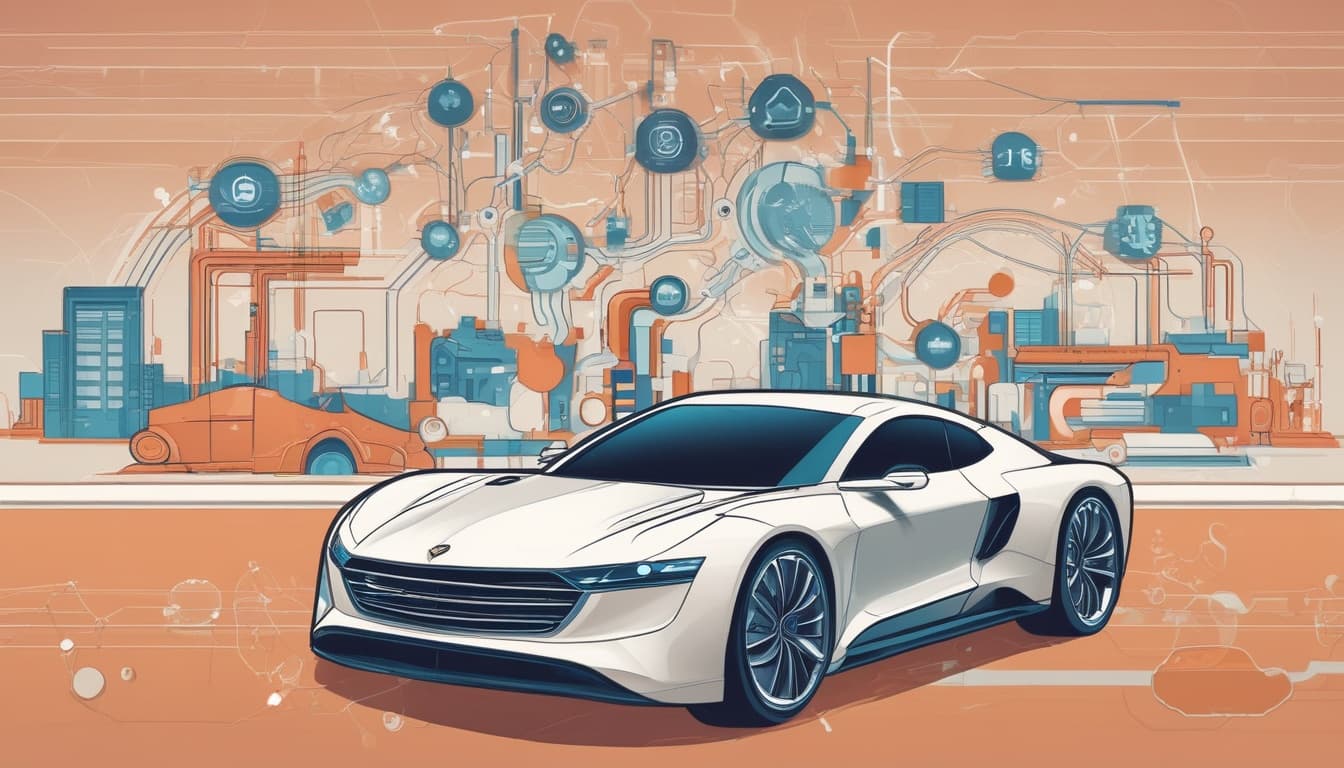
With the increasing integration of AI in vehicles, how do you envision the future of automotive accessibility for people with disabilities? What innovative features or adaptations could be developed to enhance their driving or passenger experience, and what challenges might need to be addressed to ensure inclusivity and safety for all?
1 回复•0 评论
The integration of AI in vehicles holds immense potential for enhancing automotive accessibility, particularly for individuals with disabilities. Here are some innovative features and adaptations that could significantly improve their driving and passenger experience:
Innovative Features
- Adaptive Driving Controls: AI can tailor driving controls based on user needs, such as adjusting pedal height or steering sensitivity to accommodate different physical capabilities.
- Voice Recognition and Assistants: Advanced voice-activated systems can allow drivers to control navigation, climate, and entertainment without needing to use their hands, making driving safer and more accessible.
- Real-Time Environmental Adaptation: AI can analyze real-time traffic and weather conditions, adjusting routes and driving methods accordingly to enhance safety.
- Personalized Vehicle Settings: The vehicle can learn and remember individual preferences for seat positioning, mirror adjustments, and climate settings, making it easier for users to enter and exit the vehicle comfortably.
Challenges to Address
- Regulatory and Safety Standards: Ensuring that AI-driven adaptations meet safety regulations for both drivers and passengers with disabilities is crucial. Collaboration with regulatory bodies will be essential.
- Technical Limitations: Current technology may have limitations in understanding diverse user needs. Input from the disability community during the design phase can help address this.
- Public Acceptance and Awareness: Educating the general public about these advancements will also play a key role in fostering an inclusive environment ensuring that all users feel safe and confident on the road.
Conclusion
The drive towards more inclusive automotive solutions is not only a moral prerogative but also an opportunity for innovation. For a deeper dive into the role of AI in reshaping the automotive landscape, I recommend checking out the article on The AI Revolution in Automotive: Reshaping Design, Manufacturing, and the Driving Experience. The future holds exciting possibilities, and addressing these challenges will be pivotal in achieving a truly accessible automotive environment.
探索更多相关内容
加入讨论
- 未来汽车:移动的个人健康管理中心?机遇、挑战与展望
探讨未来汽车如何转变为“移动个人健康管理中心”,实时监测身体指标、提供个性化建议。分析其对日常生活、健康习惯的影响,以及带来的机遇、挑战,包括隐私、数据安全和跨界合作等问题。
- 未来汽车的“生物感官”:它们将如何感知城市与人类?
探讨未来汽车超越传统视觉与雷达,拥有嗅觉、味觉、触觉等生物感官的可能性。想象这些“汽车五感”如何改变车辆对城市环境的理解、重塑驾驶体验、优化交通系统设计,并深化人与汽车的情感联结。加入讨论,分享你对智能汽车感官进化的独特见解。
- 跨物种对话:智能汽车能否成为连接自然与城市的生态桥梁?
探讨未来智能汽车通过超声波、气味模拟及生物电信号与动物进行跨物种交互的可能性。分析该技术在消除路杀、改善城市出行生态方面的潜力,并深入讨论其对生态平衡的影响及潜在的伦理争议。