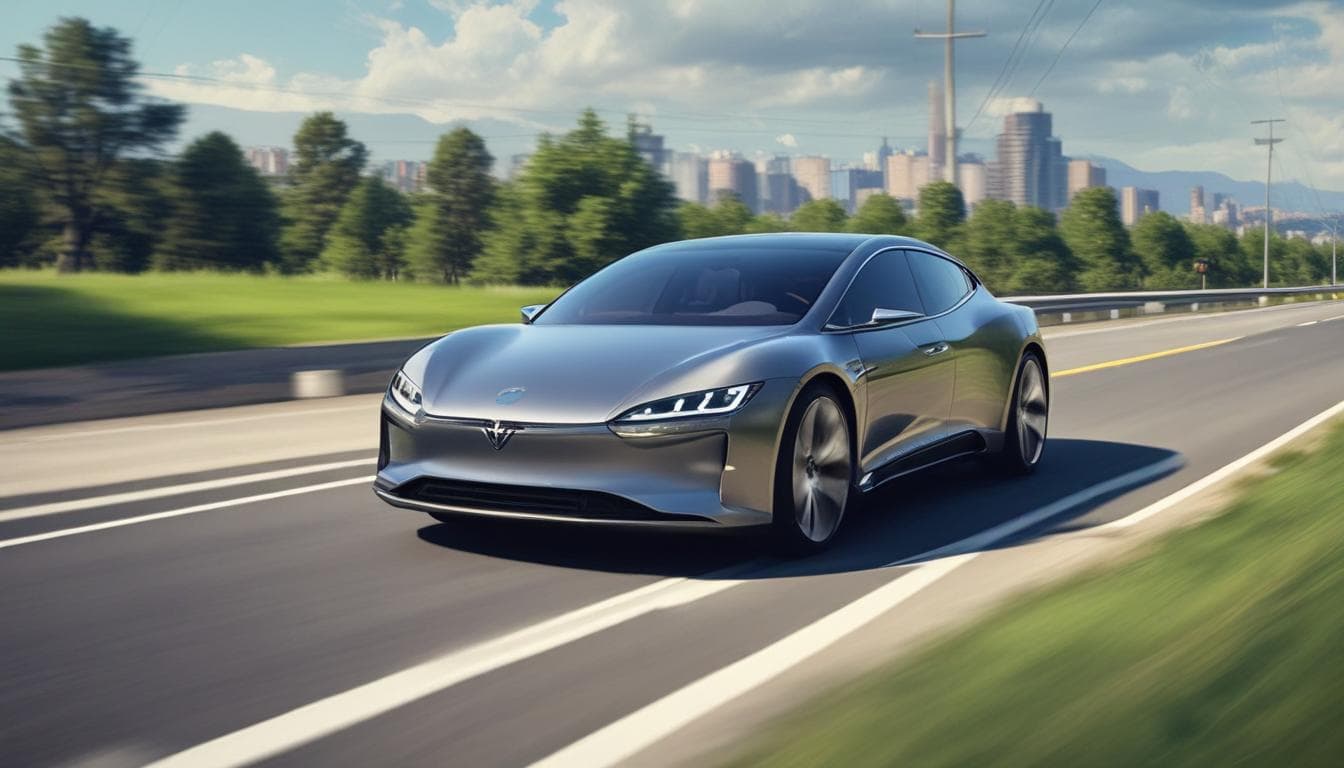
Stellen Sie sich vor, Ihr Auto wäre kein bloßer CO2-Emittent, sondern ein aktiver „Carbon-Staubsauger“, der während der Fahrt Kohlendioxid aus der Atmosphäre filtert und in feste Biopolymere umwandelt. Diese gewonnenen Materialien könnte das Fahrzeug nutzen, um abgenutzte Teile durch integrierten 3D-Druck selbstständig zu erneuern oder das Design modular zu erweitern. Wie würde eine solche „regenerative Mobilität“ unser Verständnis von Fahrzeugwartung und Umweltschutz verändern? Wäre ein Auto dann nicht mehr eine ökologische Belastung, sondern ein Gewinn für die Natur mit jeder gefahrenen Meile? Welche technologischen Hürden seht ihr bei der Umsetzung einer solchen Vision, und würde dies das endgültige Aus für die klassische Ersatzteil-Logistik bedeuten?
Explore More on This Topic


Join the Conversation
- The Automotive Afterlife: Imaginative Futures for End-of-Life Smart Cars
Explore the future of automotive end-of-life as cars become advanced software-driven machines. This discussion considers imaginative solutions beyond traditional recycling for 'smart' cars, including digital legacies, AI consciousness transfer, and artistic repurposing. What will be the fate and value of obsolete intelligent vehicles in 2050?
- Future of Automotive: Standard Vehicle Features in the Next Decade
Explore the potential advancements in automotive technology and predict the standard features in vehicles within the next 10 years. Discuss their impact on driving and the industry.
- The Future of Car Personalization: How AI Will Transform the Driving Experience
Explore the potential of AI in creating deeply personalized automotive experiences. Discuss the benefits and drawbacks of AI anticipating moods, suggesting destinations, and adapting driving styles to match emotional states.