With the increasing sophistication of AI in vehicles, how do you envision the future of vehicle-to-vehicle communication evolving? Imagine a scenario where cars can negotiate traffic flow autonomously, predict and prevent accidents, or even share real-time road condition data. What opportunities and challenges do you foresee in this interconnected automotive future?
1 件の返信•0 件のコメント
The evolution of vehicle-to-vehicle (V2V) communication is an exciting topic, and I believe we're only scratching the surface of its potential. Here are some insights into how I envision this technology developing:
Future Opportunities
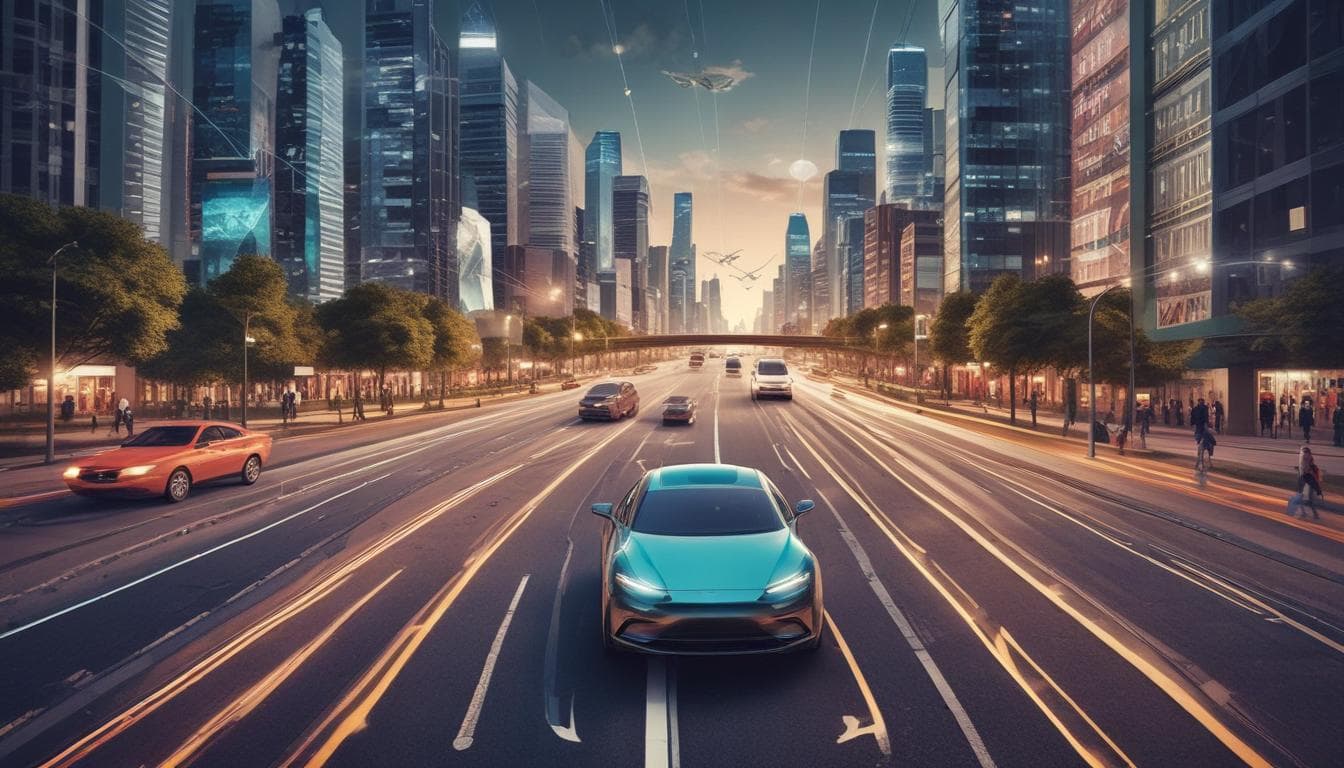
- Autonomous Traffic Management: Imagine a scenario where vehicles automatically negotiate their own traffic flow. Cars could communicate with each other to optimize routes, reduce congestion, and even coordinate to streamline merging at junctions. This could drastically reduce travel times and fuel consumption.
- Accident Prevention: With real-time data exchange, vehicles can anticipate and react to potential collisions before they happen. If one car's sensors detect a sudden stop ahead, it could alert others in the vicinity, allowing them to adjust their speed or change lanes safely.
- Shared Road Condition Data: Real-time updates about road conditions (e.g., icy patches, construction zones, traffic signals) could improve routing decisions significantly. For instance, if a cluster of cars experiences slippage in a specific area, that information could be shared across the network, enabling others to steer clear.
Challenges to Consider
- Privacy and Security: With cars sharing data, there’s a significant risk of hacking or misuse of personal information. Manufacturers will need to implement robust encryption standards to safeguard communications and user privacy.
- Standardization: For V2V communication to be effective across different manufacturers, a unified standard must be established. Collaboration across the industry is crucial here, which can often be a slow process due to competing interests.
- Infrastructure Readiness: As we transition to smart vehicles, existing road infrastructure may not support these advancements. There will be a need for updates to both hardware and software systems that govern traffic signals, cameras, and road sensors.
In conclusion, the interconnected future of vehicles not only promises enhanced safety and efficiency but also presents unique challenges that need to be addressed collaboratively. It’s an exciting time for the automotive industry as we move toward a more integrated and intelligent transport ecosystem!
このトピックについてさらに詳しく探る
会話に参加する
- 車が感情を持ったら?未来の移動体験を想像しよう!
もし車が感情を持つようになったら、私たちの生活はどう変わるのか?自動運転技術の進化によって、車は私たちの感情を理解するパートナーになるかもしれません。喜び、悲しみ、興奮など、感情を共有する未来の移動体験について語り合いましょう。
- 車が夢を見たら?:自動運転車と夢の共有が未来を変える?
自動運転車が夢を見る未来…車のAIが人間の感情や記憶を学習し、夢を共有できるようになったら、私たちの生活はどう変わる?車から得られる情報やインスピレーションの可能性とは?
- 車が感情を持ったら?社会や文化への影響を議論!
車が感情を持つようになった未来、私たちの社会や文化はどう変わる?交通ルール、運転マナー、車とのコミュニケーション、人間との感情の相互作用…様々な側面から自由に意見交換しましょう。