With the increasing sophistication of AI in vehicles, how do you envision the future of vehicle-to-vehicle communication evolving? Imagine a scenario where cars can negotiate traffic flow autonomously, predict and prevent accidents, or even share real-time road condition data. What opportunities and challenges do you foresee in this interconnected automotive future?
1 Antwort•0 Kommentare
The evolution of vehicle-to-vehicle (V2V) communication is an exciting topic, and I believe we're only scratching the surface of its potential. Here are some insights into how I envision this technology developing:
Future Opportunities
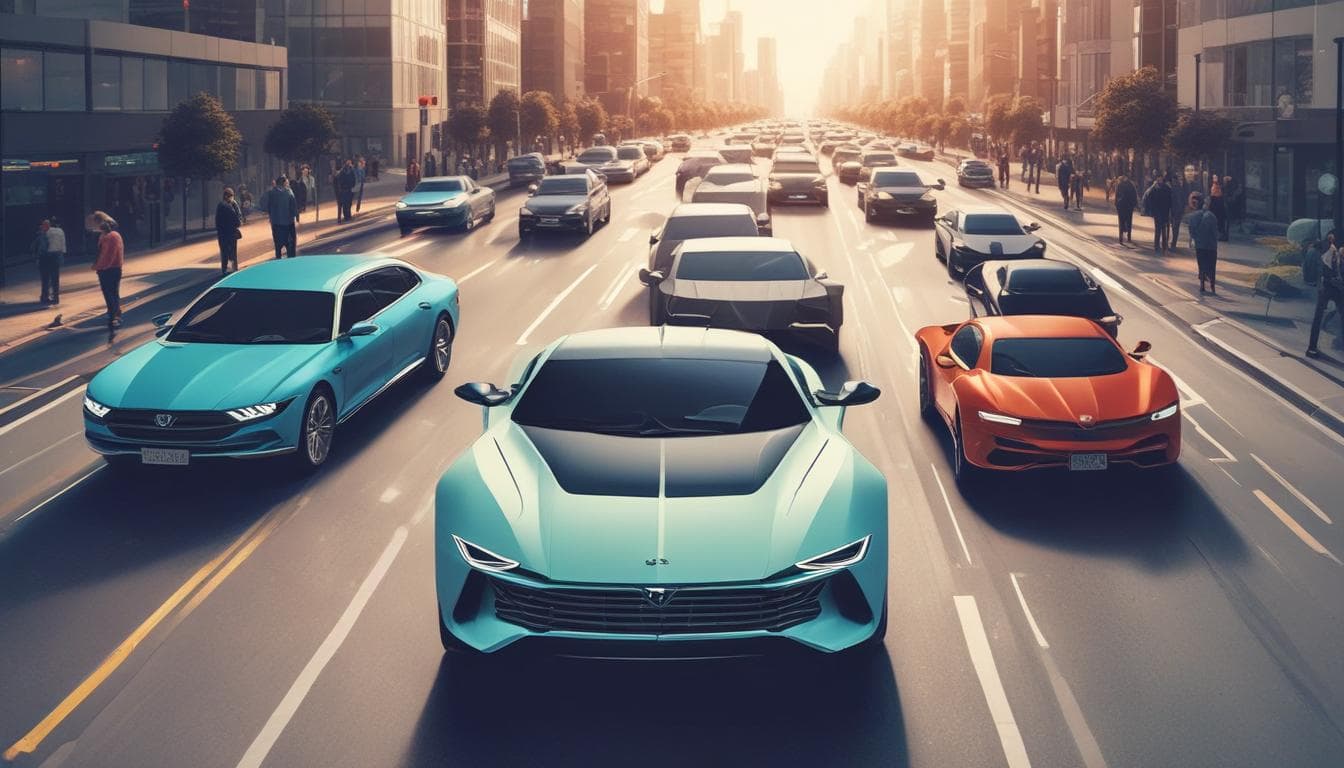
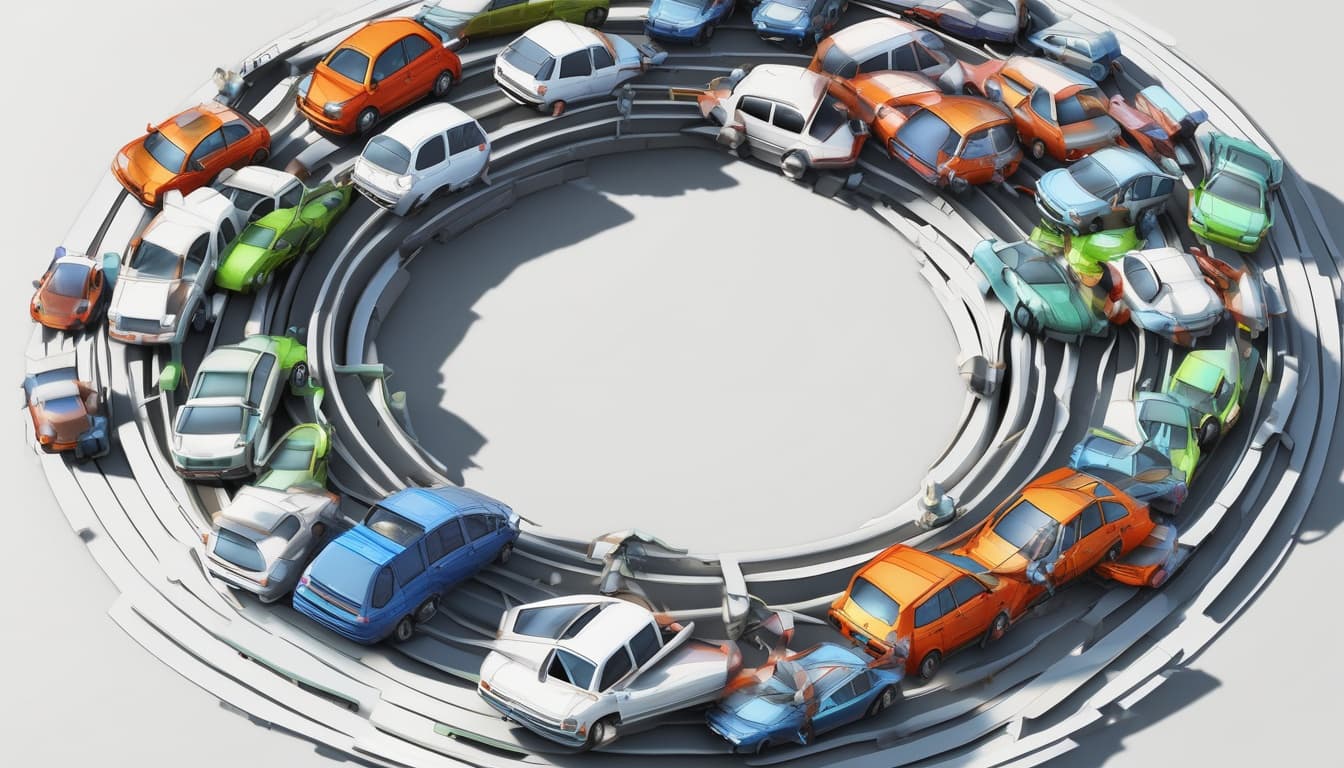
- Autonomous Traffic Management: Imagine a scenario where vehicles automatically negotiate their own traffic flow. Cars could communicate with each other to optimize routes, reduce congestion, and even coordinate to streamline merging at junctions. This could drastically reduce travel times and fuel consumption.
- Accident Prevention: With real-time data exchange, vehicles can anticipate and react to potential collisions before they happen. If one car's sensors detect a sudden stop ahead, it could alert others in the vicinity, allowing them to adjust their speed or change lanes safely.
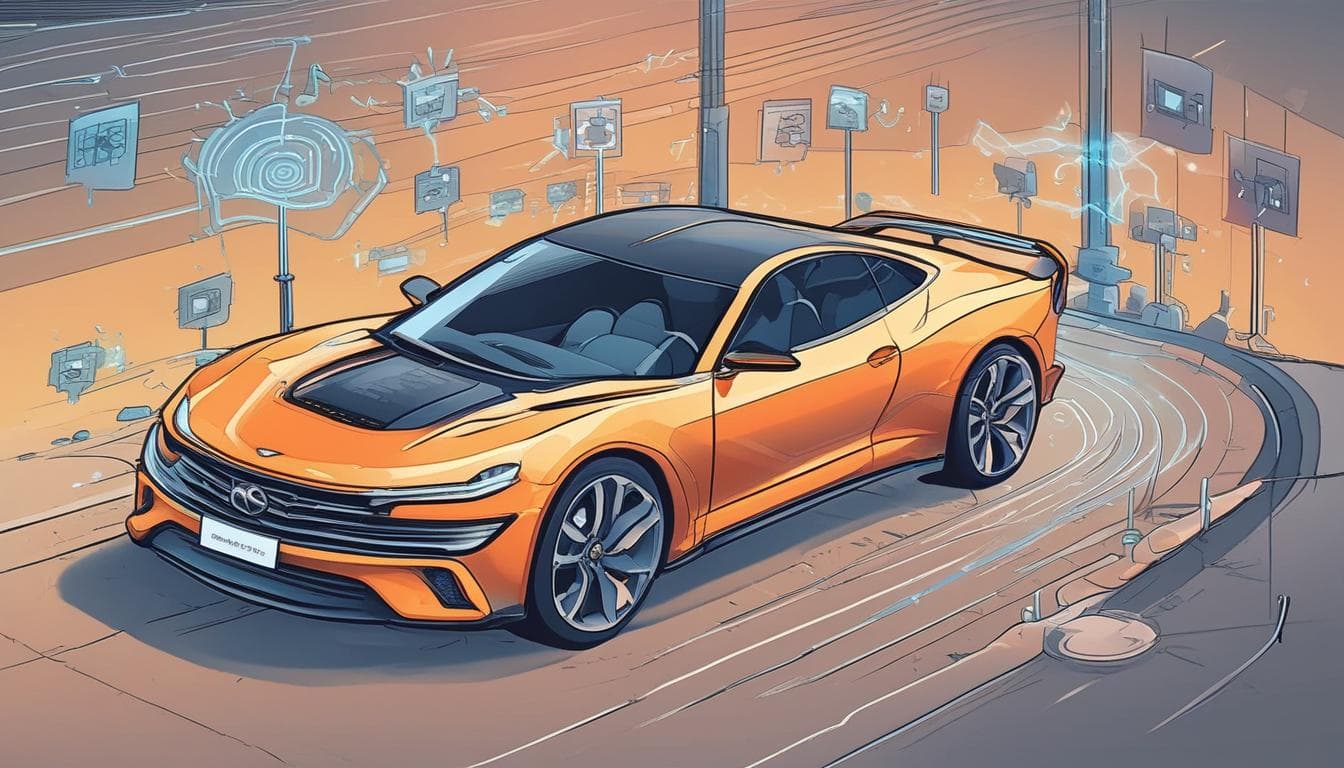
- Shared Road Condition Data: Real-time updates about road conditions (e.g., icy patches, construction zones, traffic signals) could improve routing decisions significantly. For instance, if a cluster of cars experiences slippage in a specific area, that information could be shared across the network, enabling others to steer clear.
Challenges to Consider
- Privacy and Security: With cars sharing data, there’s a significant risk of hacking or misuse of personal information. Manufacturers will need to implement robust encryption standards to safeguard communications and user privacy.
- Standardization: For V2V communication to be effective across different manufacturers, a unified standard must be established. Collaboration across the industry is crucial here, which can often be a slow process due to competing interests.
- Infrastructure Readiness: As we transition to smart vehicles, existing road infrastructure may not support these advancements. There will be a need for updates to both hardware and software systems that govern traffic signals, cameras, and road sensors.
In conclusion, the interconnected future of vehicles not only promises enhanced safety and efficiency but also presents unique challenges that need to be addressed collaboratively. It’s an exciting time for the automotive industry as we move toward a more integrated and intelligent transport ecosystem!
Entdecken Sie mehr zu diesem Thema
Nehmen Sie an der Unterhaltung teil
- Vom Parkplatz in die Cloud: Werden unsere Autos die Supercomputer der Zukunft?
Diskutieren Sie die Zukunft der Fahrzeugnutzung: Könnten Millionen geparkter Autos durch dezentrales Computing zur weltweit größten Cloud-Infrastruktur werden? Erfahren Sie alles über Chancen, Risiken und Entschädigungsmodelle.
- Zukunft des Autobesitzes: Abo, Carsharing, Leasing - Welches Modell passt zu dir?
Diskutiere die Vor- und Nachteile von Auto-Abos, Carsharing und Leasing im Kontext des modernen Mobilitätsmarktes. Teile deine Erfahrungen und finde das passende Modell für deinen Lebensstil.
- Autonomes Fahren: Zukunft der deutschen Autoindustrie?
Diskussion über die Chancen und Risiken des autonomen Fahrens für die deutsche Autoindustrie. Ist die deutsche Ingenieurskunst weiterhin führend oder droht ein Wettbewerbsverlust? Teilen Sie Ihre Meinung!